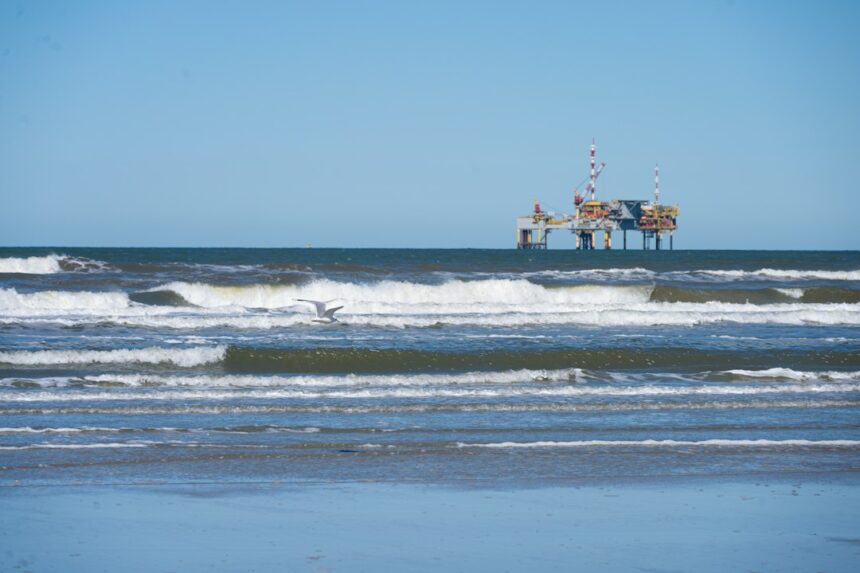
Hurricane Isaias has prompted significant shutdowns in oil and natural gas production across the Gulf of Mexico, impacting nearly two-thirds of daily output as the storm approaches landfall. According to the Marine Minerals Administration (MMA), approximately 62.9% of daily offshore oil production, equating to 1.28 million barrels per day, has been shut in as operators prioritize safety.
Natural gas production is similarly affected, with about 57.4% or 1.13 billion cubic feet per day offline. This marks a dramatic increase from Wednesday’s figures, which showed only 25% of Gulf oil production was shut down. The ongoing evacuations cover 121 platforms, nearly one-third of the 371 manned installations in the Gulf.
The Impact of Evacuations
The evacuation process is extensive, involving both non-dynamically positioned drilling rigs and dynamically positioned units that have relocated to avoid the storm. As of the latest updates, five non-dynamically positioned rigs have been evacuated, while four dynamically positioned rigs have also moved from harm’s way. These proactive measures are essential as Isaias is anticipated to strengthen further, with maximum sustained winds currently at 85 mph.

Currently located approximately 380 miles south of the mouth of the Mississippi River, the hurricane is expected to make landfall late Friday or early Saturday, raising concerns over life-threatening storm surges along the coast.
Coast Guard Preparations
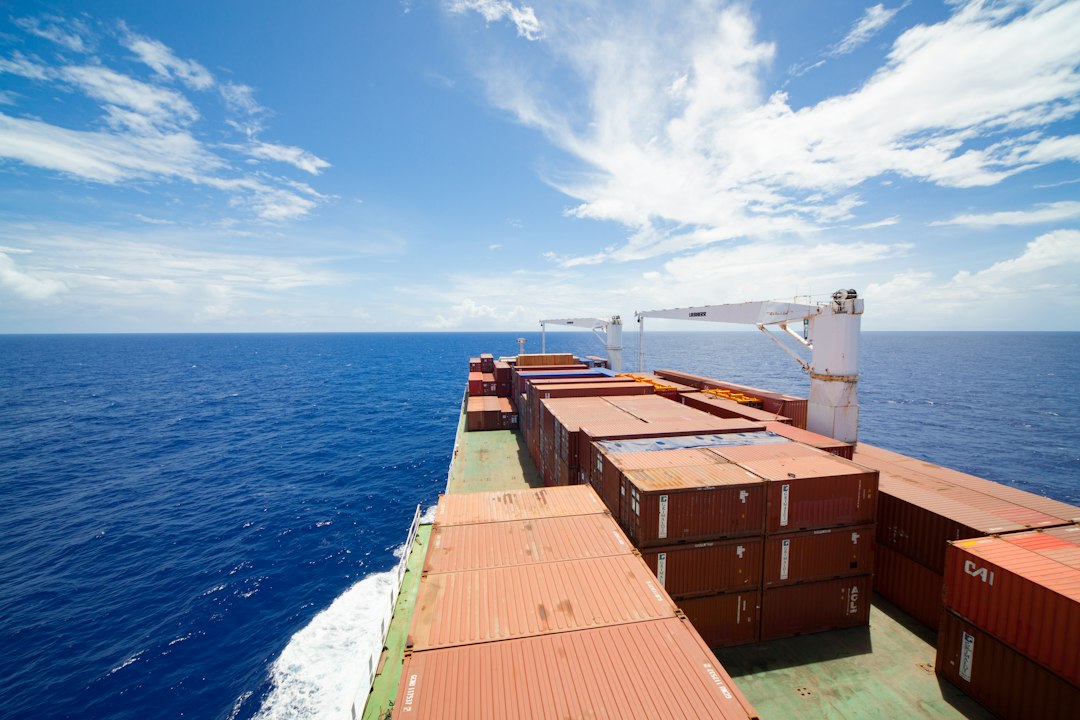
The U.S. Coast Guard is preparing for storm impacts by notifying commercial mariners and urging them to take precautions. Warnings have been issued regarding dangerous seas and damaging winds extending for miles beyond the hurricane’s path. The agency has indicated that while rescue operations may be significantly hindered during the hurricane’s peak, they will work in coordination with local responders to resume support and restoration of port operations once conditions permit.
The effects of Hurricane Isaias compound the existing strain on global oil supplies, which are already under pressure from ongoing conflicts in the Middle East. Operators like Shell and Chevron have begun suspending production at key facilities, including Shell’s Mars, Olympus, Ursa, Vito, and Appomattox sites, further emphasizing the critical nature of these supply chain disruptions.
The Operational Read
The current situation underscores the vulnerability of offshore oil and gas operations to natural disasters, prompting significant operational decision-making regarding evacuation and shutdowns. For operators in the Gulf, the immediate focus will be on safeguarding personnel and equipment, while also assessing the potential for prolonged production outages. Moving forward, industry stakeholders should monitor the storm’s path and prepare for its impact on both production capabilities and the broader market, particularly as these disruptions occur against the backdrop of other geopolitical pressures affecting oil supply.