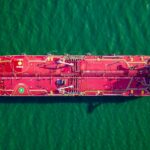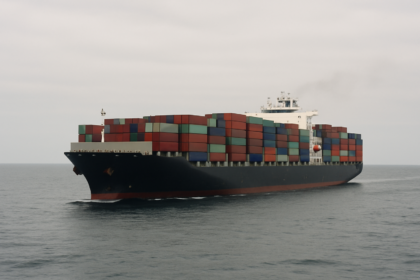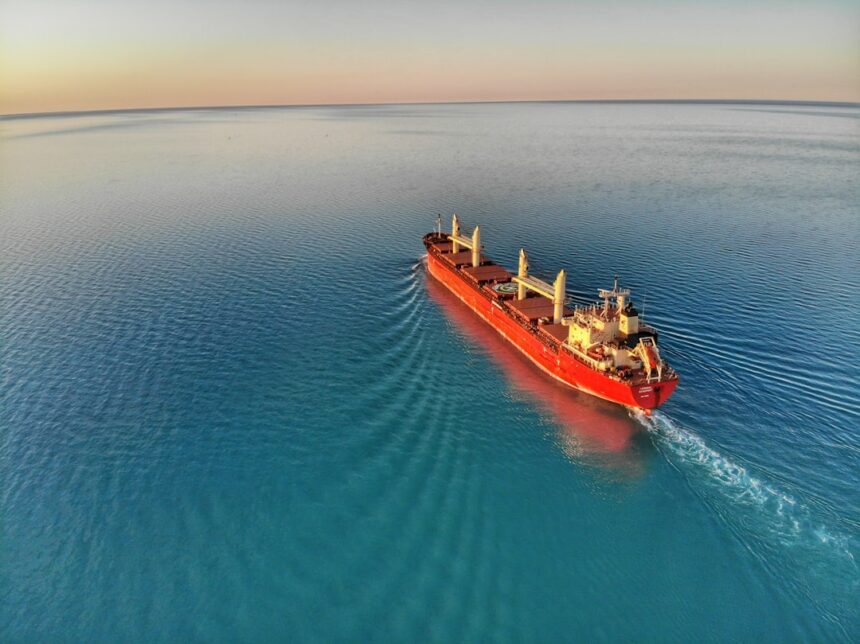
Maersk, the world’s second-largest container carrier, has announced a significant expansion of its fleet with an order for 26 new container ships, each capable of carrying 18,000 TEUs. This order is valued at approximately $8.9 billion and marks a decisive move to strengthen its competitive stance in the container shipping industry.
The Order Details
The vessels will be equipped with dual-fuel engines that can operate on both liquefied natural gas (LNG) and marine fuel, enhancing their operational efficiency and compliance with stringent emissions regulations. Delivery of these new ships is scheduled for 2029 and 2030. Precise details regarding the shipyards responsible for construction have not been disclosed, nor has Maersk confirmed if the order will be divided among multiple shipbuilders.
Strategic Implications
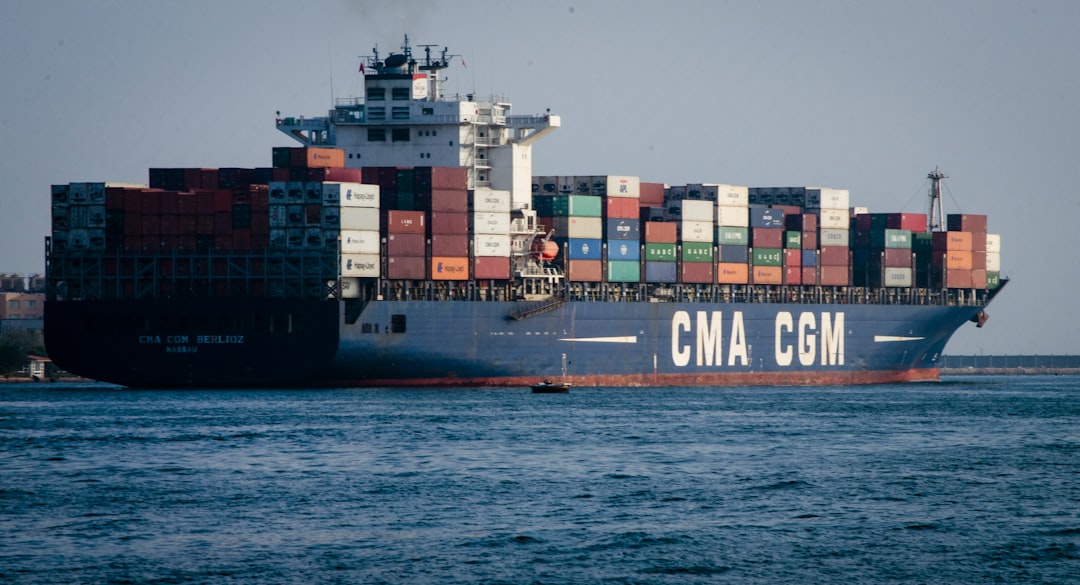
This order comes amid intensifying competition in the container shipping market, particularly as rivals such as CMA CGM and MSC expand their fleets. After losing its top position to MSC in 2022, Maersk’s latest orders signal a strategic pivot aimed at reclaiming market share. Speculation also surrounds additional orders for ultra-large container ships with capacities reaching 24,000 TEUs, further deepening the contest between Korean and Chinese shipbuilders. Industry insiders suggest that Hanwha Ocean from Korea is vying to secure these contracts against major players like Yangzijiang Shipbuilding and CSSC from China.

Market Context
According to Alphaliner, Maersk currently operates a fleet of 752 container ships with a total capacity of 4.74 million TEUs, accounting for a 13.8% share of the global market. In contrast, MSC leads the market with a capacity of 7.42 million TEUs, while CMA CGM closely follows with 4.4 million TEUs. As CMA CGM positions itself to potentially surpass Maersk’s capacity, the recent orders from Maersk underscore a crucial response to fleet expansion strategies being deployed by competitors.
Behind the Headline
The recent order for 26 dual-fuel container ships by Maersk reflects not only a commitment to modernizing its fleet but also a strategic necessity in an increasingly competitive market. The adoption of LNG-capable vessels signifies a proactive approach to environmental regulations while allowing Maersk to enhance its operational efficiency. As global trade dynamics evolve, operators should monitor how these new contracts influence shipbuilding competition and overall market capacity. The response from rivals, particularly concerning the anticipated order of larger ultra-large container ships, will be crucial for Maria’s positioning within the industry in the coming years.