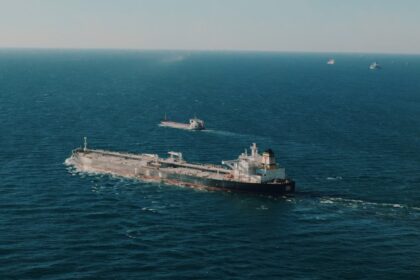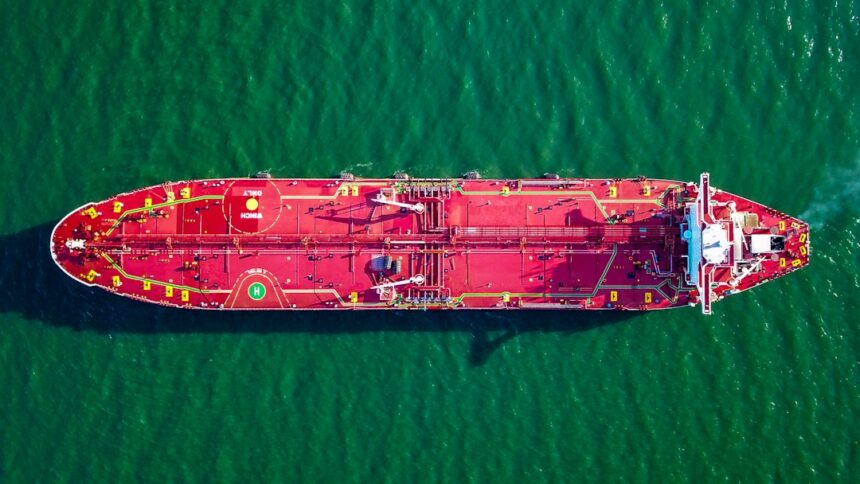
Chinese shipbuilders are experiencing a remarkable surge in new orders, with data from the China Ship Industry Association (CANSI) revealing that 1,210.6 million tons of new orders were placed in the first half of the year. This figure represents a striking 2.7-fold increase compared to the same period in the previous year. As geopolitical tensions persist, particularly the aftermath of the U.S.-Iran conflict, many ship owners are seeking to diversify their crude oil supply routes, significantly impacting the shipbuilding industry.
Market Dynamics
China’s share of new shipbuilding orders has escalated dramatically to 82%, an increase of 14 percentage points year-over-year. The China Ship Group (CSSC), recognized as the world’s largest shipbuilder, reported new orders totaling 22.45 million deadweight tons (DWT) for the first half of the year, more than double the volume from the previous year. Similarly, Hengli Heavy Industries secured 207 new orders, outpacing its entire order volume for 2022.
Industry analysts attribute this boom to the challenges faced in the Strait of Hormuz, where many vessels remain stranded due to ongoing geopolitical strife. As operators in Asia, heavily reliant on Middle Eastern oil, turn to Chinese shipbuilders for large oil tankers capable of long-distance transport, this shift is set to redefine maritime logistics.

Global Implications
The geopolitical landscape has rendered transportation capabilities increasingly vital. According to BIMCO, contracts for new oil tankers reached a historic high in July, demonstrating a growing demand for robust marine transport solutions as conflicts disrupt traditional supply lines. Shipping and shipbuilding research firm Clarkson Research highlighted the complexities of the current geopolitical climate, noting the heightened urgency for greater shipping capacities.
This trend serves as a stark indicator of the declining competitiveness of the U.S. shipbuilding industry. The U.S. Naval Intelligence Agency reports that U.S. shipbuilding capacity stands at approximately 100,000 gross tons per year, a mere 0.5% compared to China’s staggering 23.25 million gross tons. Despite efforts made during the Trump administration to revitalize U.S. shipbuilding, the reality of dwindling market share remains evident.
Behind the Headline
The significant uptake in orders for large oil tankers from Chinese shipbuilders highlights a fundamental shift in the shipping industry’s response to geopolitical tensions. Operators are rapidly seeking alternatives to conventional Middle Eastern routes, which have been rendered less reliable amid recent hostilities, particularly since the U.S. airstrike on Iran. This trend not only reshapes the competitive landscape of global shipbuilding but indicates an evolving strategy among shipping firms to ensure operational resilience and supply chain security. Moving forward, key attention should be directed towards how these dynamics will influence future vessel designs, regional shipping routes, and the strategic positioning of major maritime players.