A significant dispute has erupted over the European Commission’s potential approval of two Indian shipbreaking facilities, Shree Ram Vessel Scrap Pvt. Ltd./Shree Ram Shipping Industries Pvt. Ltd. and YSI Recyclers LLP, for inclusion on the EU’s List of Ship Recycling Facilities. This conflict has seen a coalition of environmental organizations and industry groups advocating fiercely against the proposal, which they argue violates critical European environmental directives.
The Controversy at Hand
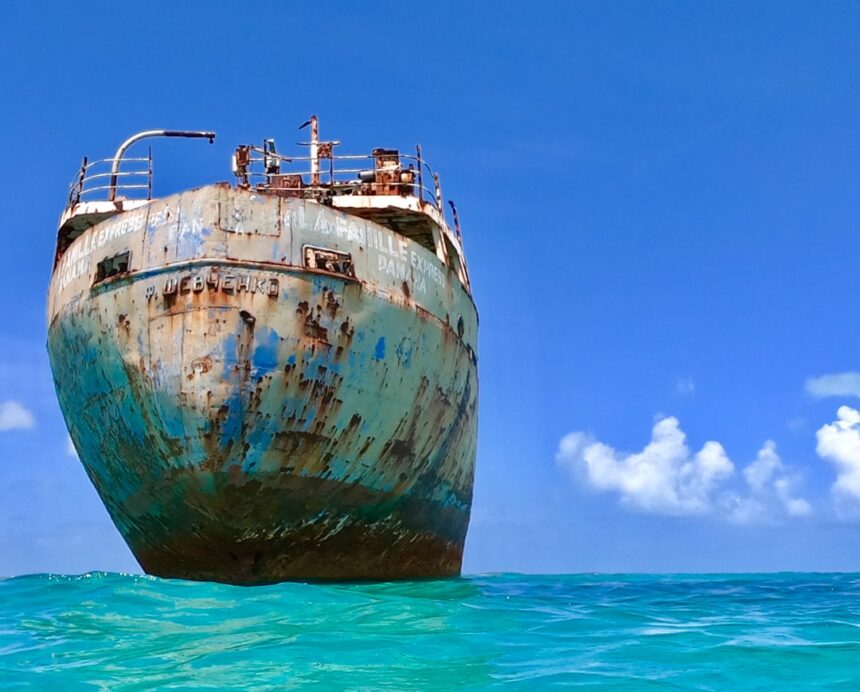
The facilities in question, located in Alang-Sosiya, Gujarat, utilize the controversial beaching method, which involves driving ships onto intertidal areas for dismantling. Opponents argue that this approach poses significant risks to surrounding ecosystems, making it challenging to contain hazardous materials like oil during the recycling process. A recent spill at another Alang yard has further underscored these environmental concerns.
Groups including the NGO Shipbreaking Platform, EUROFER, and others have jointly expressed their disapproval through a letter addressed to European Commissioners Jessika Roswall and Stéphane Séjourné. Their argument hinges on the assertion that such methods are not permitted within the EU and that the Indian yards cannot meet the requisite safety and environmental management standards expected from European recyclers.


Industry Reactions
Interestingly, the lobbying angle remains sharp, with several major shipping associations opposing the coalition’s stance. Organizations such as BIMCO, the International Chamber of Shipping, and others have publicly supported the EU’s move, urging that each shipbreaking facility’s performance, rather than its geographical location or recycling methods, should dictate eligibility for approval in the EU framework.
These pro-industry groups maintain that both Indian facilities have made substantial investments in infrastructure and environmental management, aligning with the principles of the IMO’s Hong Kong Convention for the Safe and Environmentally Sound Recycling of Ships. They caution that denying the Indian facilities approval could hinder global recycling capacity while diverting economic benefits away from Europe.
Broader Implications for Ship Recycling
The call for heightened scrutiny of the Indian yards is not strictly focused on environmental issues; it also embraces economic considerations. The steel sector, represented by EUROFER, has loudly articulated its fears that the inclusion of lower-cost Indian facilities would unbalance the competitive landscape for European recyclers who comply with stringent regulations.
In light of this tension, the coalition has called for more stringent technical guidance under the EU Ship Recycling Regulation, advocating for a ban on beaching practices internationally through the IMO and highlighting the importance of retaining scrap steel recycling capacity within Europe.
Why It Matters
This ongoing dispute underlines the complex intersection of environmental policy, international trade, and industry standards within the ship recycling sector. For European operators, the outcome could have significant implications for competitive positioning, regulatory compliance costs, and environmental responsibilities. As stakeholders rally on both sides, what emerges from the European Commission may set vital precedents for how ship recycling is conducted globally. Operators and charterers should remain vigilant, as additional regulatory shifts could impact fleet management strategies and the overall sustainability framework in maritime operations.