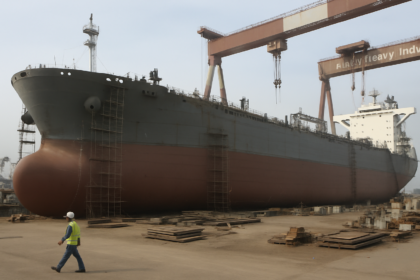
New Pacific Industrial has officially launched operations at the historic Kaiser Shipyards site on the Columbia River, marking a significant step in the revitalization of U.S. shipbuilding. The company has begun construction on two 122-foot tugboats for American Marine Corporation, a project expected to play a crucial role in reinforcing domestic maritime capacities.
Reviving a Historic Site
The Kaiser Shipyards, known for their wartime ship production during World War II, have long stood as a symbol of American shipbuilding prowess. The reactivation of this site by New Pacific Industrial represents not just a nod to the past, but a strategic move to bolster the present-day U.S. maritime industry, which has seen increasing urgency for local ship production capabilities.
Governmental Support and Market Needs
This initiative aligns with broader governmental efforts under the Trump administration to rebuild American shipbuilding capacity. The decision to revitalize this site comes amidst rising concerns about reliance on foreign shipyards and supply chains, particularly in a time of geopolitical uncertainty. The successful commencement of operations at this facility reflects an anticipated surge in demand for robust domestic maritime solutions in the coming years.

Economic and Operational Implications
The construction of the two tugboats for American Marine Corporation is just the beginning for New Pacific Industrial, which plans to expand its production line. The tugboats are essential for various maritime operations, enhancing the efficiency and safety of marine logistics. As demand for vessel construction increases, the revitalized shipyard aims to serve as a key player in meeting this need, potentially creating jobs and contributing to local economic growth.
Behind the Headline
The reopening of the Kaiser Shipyards is significant for both the local economy and the operational capabilities of the U.S. maritime sector. Tugboats play a critical role in various maritime functions, including towing and maneuvering vessels in ports, which can enhance the turnaround time for shipping operations. This initiative could also highlight a broader trend towards localization in shipping logistics, as operators increasingly seek efficiency and reliability from domestic suppliers. Observing the progress of New Pacific Industrial will be crucial for stakeholders in determining the future landscape of American shipbuilding and its capacity to adapt to evolving market demands.