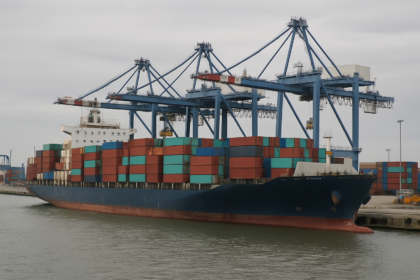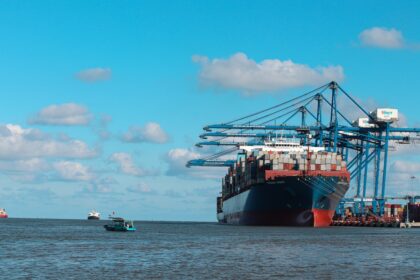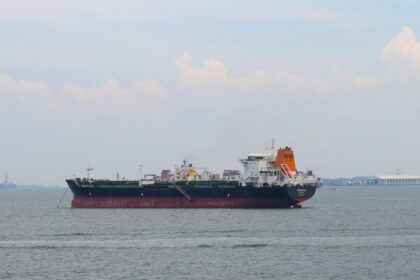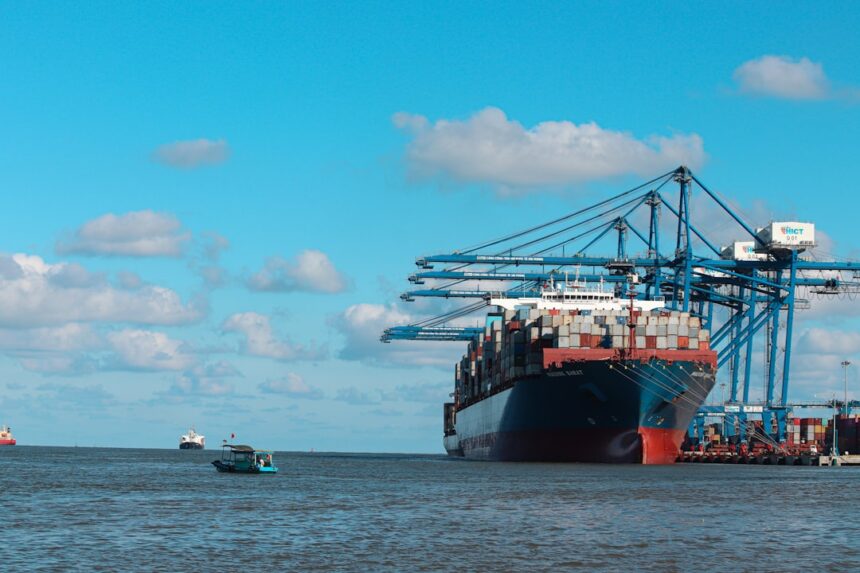
MSC Shipmanagement Limited and Hong Kong Spirit Shipping and Trading Limited have been fined a total of $1.75 million following their pleas of guilty related to illegal oily waste discharges from the containership MSC Samira III. The U.S. Department of Justice announced the verdict, resulting from charges filed in the Eastern District of Pennsylvania for violations concerning the Act to Prevent Pollution from Ships (APPS).
The violations stemmed from a series of unlawful practices aboard the MSC Samira III between June 2024 and January 2025. Investigations revealed that senior engine department personnel directed lower-ranking crew to transfer oily bilge water from the ship’s holding tank into its sewage holding tank. The oily waste was subsequently discharged overboard using the sewage system, circumventing the required oily water separator designed to limit outputs to less than 15 parts per million of oil, as per international standards.
Details of the Violations
During the operational period in question, the vessel’s crew presented a falsified oil record book to the U.S. Coast Guard during calls at the Port of Philadelphia in January 2025, which sparked an investigation. Prosecutors indicated that the illegal discharges were not documented as required by regulation, marking a significant breach of protocol.


In a further scheme to evade detection, crew members manipulated the oily water separator system by adding fresh water to the oil content monitor while discharging oily bilge water. This practice created misleading records indicating compliance with permissible oil discharge limits. As a result, both companies were sentenced to a four-year probation period following their guilty pleas.
Regulatory Consequences
U.S. officials emphasized the seriousness of presenting false documentation by foreign vessels, warning that such actions undermine environmental protections and legal enforcement frameworks. Principal Deputy Assistant Attorney General Adam Gustafson declared the government’s commitment to upholding port state control systems against those prioritizing profit over compliance.
Moreover, the case highlights the judicial system’s willingness to hold maritime operators accountable for pollution violations. U.S. Attorney David Metcalf noted that companies caught discharging pollutants unlawfully would face prosecution.
Behind the Headline
This incident underscores a growing trend of rigorous enforcement against maritime pollution violations, reflecting an international commitment to environmental protection. The actions against MSC Shipmanagement and Hong Kong Spirit Shipping highlight the operational risks associated with illegal waste management practices. Companies should reassess their compliance frameworks and uphold transparency in record-keeping to avoid substantial fines and reputational damage. Continuous monitoring of crew activities in relation to pollution control systems is essential to ensure adherence to international and domestic regulations.