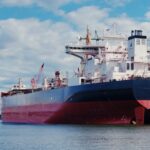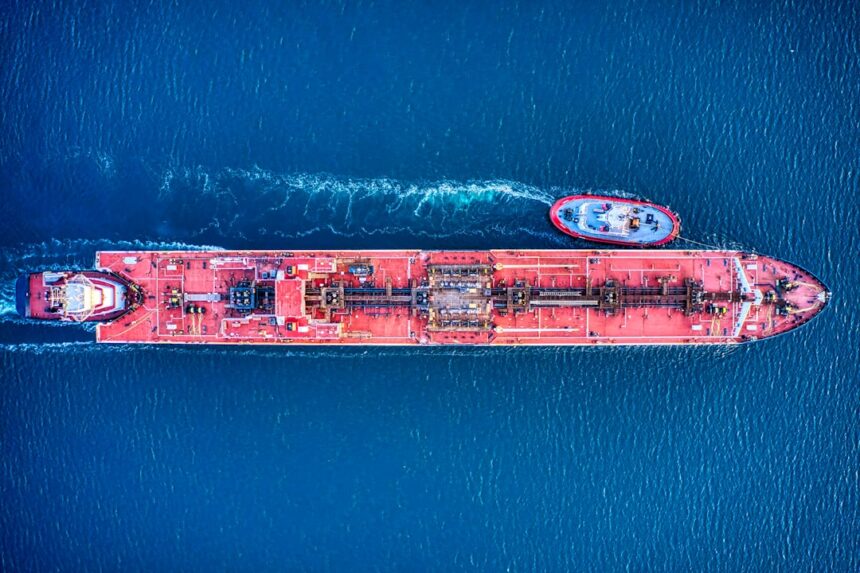
Russia has officially commenced operations at its Vostok Oil project with the loading of crude onto the ice-class tanker Valentin Pikul at the newly completed Bukhta Sever terminal on the Kara Sea. This marks a critical juncture in Arctic shipping, as Vostok Oil is poised to emerge as a significant source of cargo for vessels navigating the Northern Sea Route.
Project Overview
The Vostok Oil initiative represents the largest oil development in Russia since the Soviet-era exploration in West Siberia. Following its formal commissioning on September 6, the first cargo loading underscores an ambitious plan backed by over $100 billion in investments. The project holds a resource base exceeding 6 billion tonnes of oil, with Rosneft targeting an annual production capacity that could reach as high as 100 million tonnes.
The logistical framework for Vostok Oil consists of a 770-km trunk pipeline, connecting the fields to the Arctic export terminal. Notably, one of the most technically challenging segments of the pipeline is located beneath the Yenisei River, near Dudinka, highlighting the project’s engineering demands.

Shipping Capacity and Infrastructure
Rosneft has indicated plans to build a fleet of approximately 50 vessels, including 10 high-ice-class tankers initially ordered from Zvezda Shipbuilding Complex to support Vostok Oil operations. The Valentin Pikul, delivered in late 2024, is classified Arc6 by the Russian Maritime Register, indicating its design for self-sufficient navigation through heavy Arctic ice. Meanwhile, the Aframax tanker Akademik Gubkin prepares for a second cargo loading, illustrating immediate operational scaling.
In 2023 and 2024, the construction phase alone has fostered significant maritime demand, with over 2 million tonnes of supplies transported to Sever Bay over more than 700 voyages, utilizing both ocean-going vessels and river barges. This momentum reflects the scale of logistical requirements even before full-scale production commences.
Western Sanctions Impact
Originally, Western oil majors such as Trafigura and Vitol were anticipated to have major stakes in the project. However, both companies divested their interests following sanctions imposed after Russia’s invasion of Ukraine. Despite facing challenges in technology transfers, financing, and shipping, Rosneft’s continued progress highlights a shift towards a domestically focused supply chain strategy for Vostok Oil.
During the commissioning ceremony, President Vladimir Putin emphasized the importance of this project, heralding it as a new era for Russian oil production akin to the historical discovery of resources in West Siberia. As operations ramp up, the implications for shipping routes and Arctic logistics will be significant, potentially reshaping the dynamics of maritime trade in the region.
Behind the Headline
The initiation of the Vostok Oil project marks a profound shift in Arctic shipping logistics and demand. For shipowners, the emergence of this new oil province may necessitate a reevaluation of vessel readiness to accommodate high volumes through the Northern Sea Route. As Rosneft expands its tanker fleet, the operational landscape will evolve, impacting everything from charter rates to ice management strategies. Key factors to observe include the timely completion of infrastructure supporting increased exports and how geopolitical elements will continue to influence international participation in Arctic shipping routes.