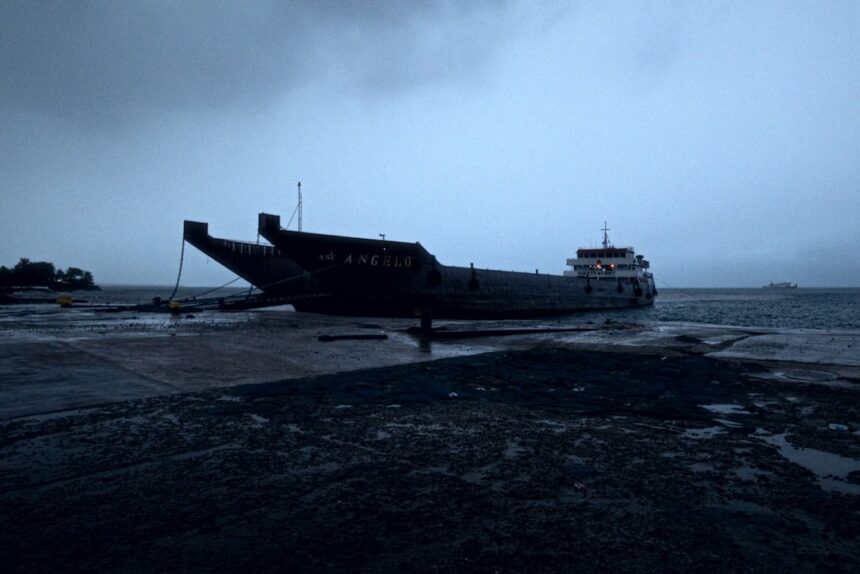
In a noteworthy development in the ongoing conflict in Ukraine, reports indicate that the Lady Mariia, a Russian roll-on/roll-off vessel, was targeted by drones near Crete on Sunday. This incident is part of Ukraine’s expanding maritime campaign aimed at disrupting Russian shipping operations in the Mediterranean.
The Incident
The attack on the Lady Mariia occurred as the vessel sailed eastward towards Syria. Drones were deployed to drop bombs on the 7,184 dwt vessel, increasing concerns over operational security in the region. Despite the absence of clear information about the drones’ origin, the attack demonstrates Ukraine’s commitment to harassing Russian naval assets, potentially altering the operational landscape for maritime traffic in these waters.
Strategic Implications
This incident underscores the escalating maritime conflict that has spilled beyond the Black Sea into broader Mediterranean waters. The Lady Mariia, already facing sanctions, serves as a strategic asset for Russian logistics, particularly as it engages in transports linked to military objectives in Syria. Continued actions against such vessels can significantly impact Russia’s supply chain and operational readiness in the region.


The Operational Read
For operators and charterers engaged in the Mediterranean, this incident highlights the urgent need to assess risks associated with routing decisions. A heightened threat perception could lead to increased war-risk premiums and demand adjustments in cargo handling to avoid potential engagements with hostilities. As drone warfare becomes a significant aspect of naval tactics, stakeholders must stay informed about evolving threat dynamics and consider rerouting strategies that prioritize safety and minimize exposure to high-risk areas.