Update 31 Aug 2026, 18:34 UTC:
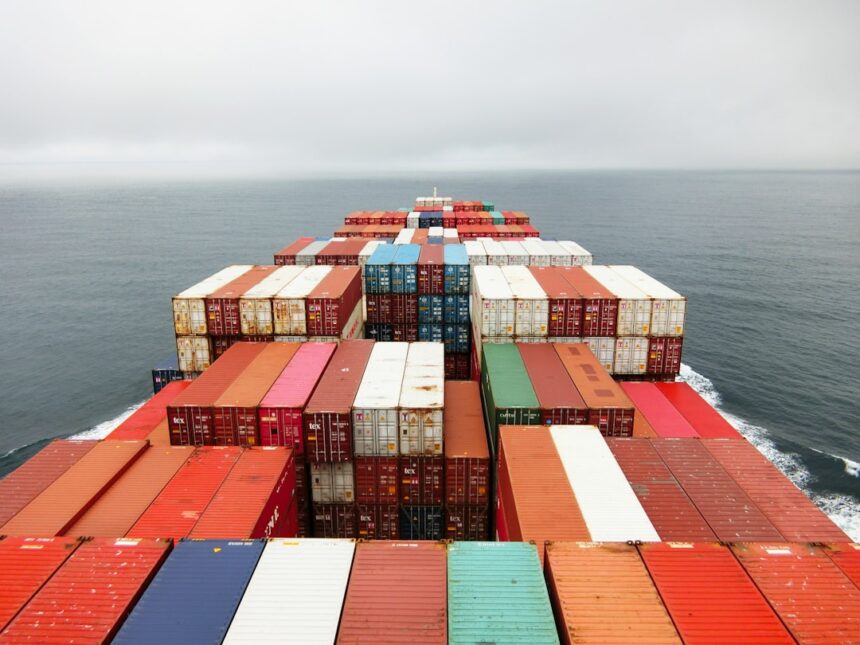
Turkish and Somali armed forces successfully rescued the cargo ship Lutuf after it was hijacked off Somalia’s Puntland coast on August 17. The Ministry of Defense for Somalia reported that following a relentless 10-day operation, the Turkish Navy, in coordination with the Somali National Armed Forces, applied pressure on the pirates, leading to their abandonment of the vessel.
The Lutuf, flagged from Cameroon, was one of six merchant vessels being held hostage by pirates in the region. During the military operation, Somali authorities confirmed that four boats utilized by the pirates were destroyed and 14 pirates lost their lives. However, there were no details provided regarding any casualties among the crew of the Lutuf or the forces involved in the operation.


The Context of Piracy
This operation reflects the growing concern regarding piracy in the Gulf of Aden and the western Indian Ocean, particularly given the announcement from the International Maritime Organization (IMO) last week about the escalating threat. Concurrent to the Lutuf’s hijacking, another tanker, Seamull, was also seized in waters approximately 136 nautical miles east of Al Mukalla, Yemen. This series of incidents brings attention to a troubling resurgence of maritime piracy, especially during the southwest monsoon period when rough seas typically limit the operational capacity of pirate groups.
As of late August, Somali pirates are reportedly holding multiple vessels including Honour 25, Sward, Eureka, Asana, and the aforementioned Seamull. These prior hijackings have only added to the concern, as the risks associated with Somali piracy had previously been deemed less significant due to a decrease in incidents over the past several years.
International Response and Cooperation
IMO Secretary-General Arsenio Dominguez has emphasized the vital need for renewed international cooperation in tackling piracy in this region. He expressed worry that maritime piracy issues risk being overshadowed by other geopolitical crises that may distract from addressing security threats to commercial shipping in crucial areas. The piracy threat has been classified as ‘moderate’ along the Somali coastline while rising to ‘substantial’ in the Gulf of Aden, particularly because of the threat posed by piracy combined with rising tensions from Houthi attacks.
The joint operation that facilitated the Lutuf’s release demonstrates the effectiveness of defense cooperation agreements between nations, such as that between Somalia and Turkey, which has seen increased military and maritime collaborations in East Africa over the past several years.
The Operational Read
The successful rescue of the Lutuf illustrates the challenges and complexities of current maritime security in East African waters. Operators should recognize that Somali piracy remains an ongoing threat, particularly as patterns reflect an uptick in hijackings during traditionally quieter times. Shipping companies and crews are advised to exercise heightened vigilance and implement robust risk assessments when operating in or near these waters. As international response mechanisms are recalibrated to confront these piracy challenges, it will be crucial for maritime stakeholders to stay informed and agile in adapting to this shifting threat landscape.