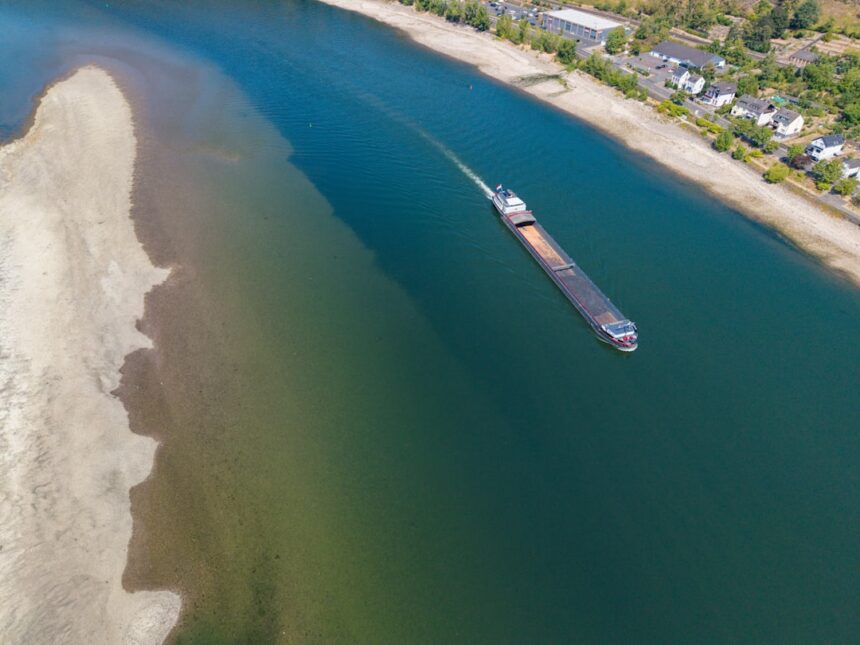
The recent rainfall across Germany has led to a notable recovery in the water levels of the Rhine River, as reported by the country’s inland navigation agency on Monday. The current measurement at the critical navigation point near Kaub is approximately 60 centimeters, a significant rise from the alarming low of around 5 centimeters recorded just a week prior.
This improvement allows vessels to carry more freight, yet challenges remain. While a commodity trader noted that vessels can now partially load their cargo, most remain significantly below full capacity, loading around 700 to 800 metric tons, dependent on the vessel type.
Challenges Persist on the Rhine
Despite the rise in water levels, the Rhine continues to face shallow water issues. The normal navigable gauge at Kaub is approximately 1.50 meters, a threshold many vessels have struggled to meet during recent dry spells. Earlier this month, water levels fell to record lows, initiating a series of disruptions in freight transport. These disruptions resulted in increased transport costs and logistical bottlenecks, with many operators resorting to land transport solutions.

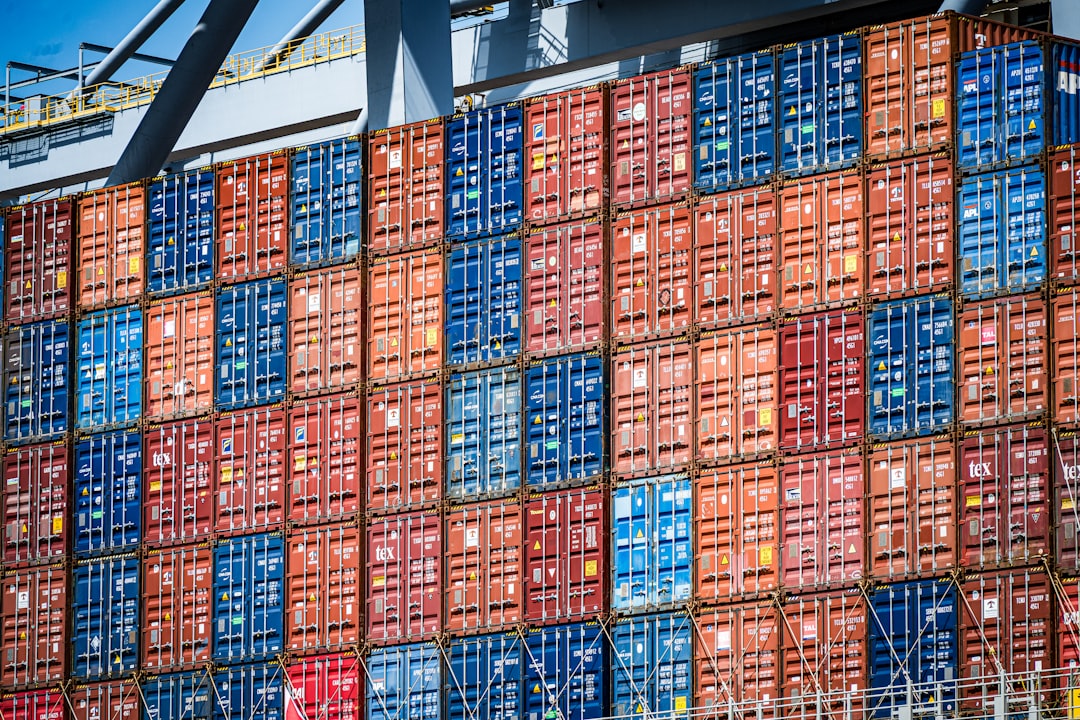
Throughout August, an extended heatwave across Europe exacerbated water shortages, affecting vital shipping routes for crucial commodities such as grains, minerals, coal, and refined oil products. Even as waterways began to recover, shippers reported continuing difficulties due to the widespread impacts of low water levels on logistics efficiency.
Forecast and Future Navigational Outlook
With more rain in the forecast for the coming week, further improvements in navigable conditions may be on the horizon. The inland navigation agency WSV has indicated that the higher levels could pave the way for increased cargo loads, potentially alleviating some of the logistical strains currently faced. However, operators and shippers must remain cautious, as the river’s condition can fluctuate rapidly, and full loading capabilities are still out of reach for many vessels.
Behind the Headline
The fluctuating water levels of the Rhine reflect the broader pressures faced by the inland shipping industry in Europe, particularly as climate conditions continue to affect mainstream operations. Operators must navigate these changes while contending with higher costs and logistical delays. In light of expected rainfall, attention must shift to how shipping lines and logistics firms adapt their strategies for optimal cost efficiency. As conditions improve, a gradual return to more dependable shipping operations could emerge, but uncertainties remain regarding long-term climate impacts on navigability.