Update 19 Aug 2026, 08:38 UTC:
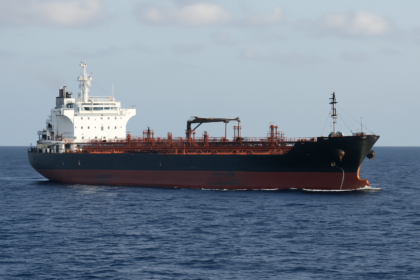
Sinokor Maritime has emerged as a frontrunner in the tanker acquisition sector, completing the purchase of 73 secondhand tankers at a staggering total of $5.925 billion this year, according to data from VesselsValue. This amount dwarfs the spending of its competitors, as it is approximately equal to the combined expenditures of the next eight largest tanker buyers in 2026.
Market Significance
This significant investment underscores Sinokor’s strategic maneuvering in a market characterized by high demand for tanker capacity, driven by factors such as increased global oil trade and the need for larger transportation capacity. The acquisitions include a mix of crude oil and product tankers, enhancing the company’s operational capabilities across a spectrum of hydrocarbon transport.

With such a substantial portfolio expansion, Sinokor’s actions are likely to influence tanker charter rates and operational markets significantly. As supply and demand dynamics shift, both charterers and operators are expected to reassess their positions in light of Sinokor’s enhanced fleet.
Investor Reactions
Investors have responded positively to Sinokor’s aggressive acquisition strategy, reflecting confidence in the company’s vision and market foresight. The financial implications of owning such a fleet could yield substantial returns in the increasing compliance environment regarding emissions and fuel consumption, as newer vessels generally offer more efficiency and lower operating costs.
Observers within the industry will continue to monitor how this strategic buildup impacts competitive dynamics and pricing structures in the tanker market throughout the remainder of 2026 and beyond. In particular, the ripple effects on charter party negotiations and the potential rise in laytime disputes could emerge as key areas of focus.
Behind the Headline
Sinokor Maritime’s unparalleled investment in the tanker segment signals a decisive shift in operational strategy aimed at capitalizing on enhanced demand for transport capacity. With the acquisition of these 73 tankers, the company is positioned to generate significant operational efficiencies while also influencing market rates. Operators, charterers, and other stakeholders will need to recalibrate their strategies in light of this increased competition. The strategic implications of such fleet expansions extend beyond short-term gains, imbuing the industry with new competitive pressures that could reshape long-term operational models in tanker shipping.