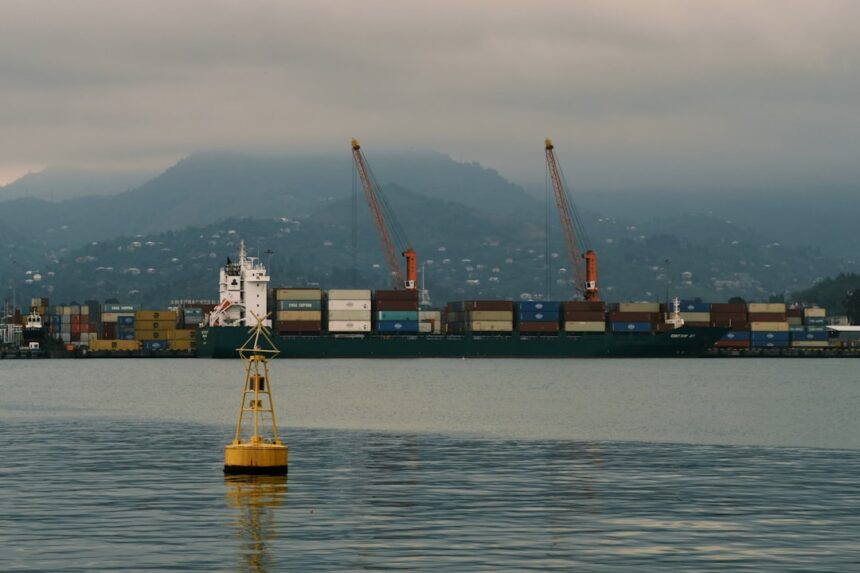
Drewry’s Intra-Asia Container Index (IACI) has surged by 6% this week, reaching a six-week high of $1,028 per 40ft container. This increase is attributed to ongoing market tightness driven by unrest in the Middle East, as well as weather-related disruptions causing significant congestion across Chinese ports.
The Current Situation
This week’s data reflects a second consecutive rise in the IACI, with most trade lanes experiencing increased freight rates. Spot rates on key routes have notably strengthened, with the rate from Shanghai to Jawaharlal Nehru Port climbing 33% to $2,353 per 40ft container.
Notably, rates from Shanghai to Singapore rose by 8% to $1,096, while shipments to Jakarta increased by 5% to $1,533, underpinned by congestion across major Asian ports. Current market pressures are exacerbated by Typhoon Dolphin, the strongest of three tropical storms impacting China in a short period. The typhoon has forced many vessels to seek refuge, leading to further congestion at East Asian ports.

Impact of Congestion and Weather
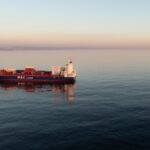
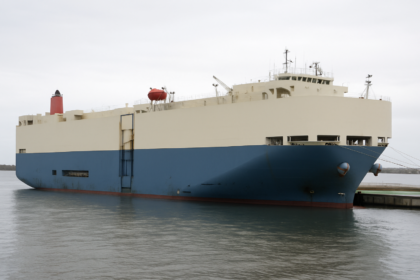
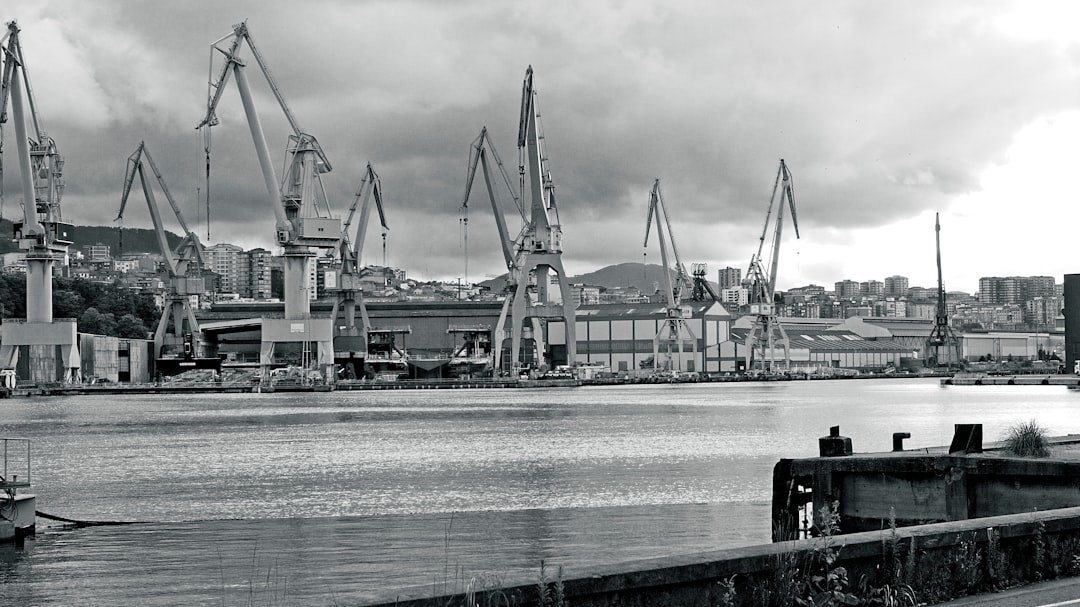
As a result of ongoing weather and geopolitical tensions, there is now an estimated 2.4 million TEU of container capacity waiting outside Chinese ports. In addition, average vessel waiting times have spiked to 87 hours at Shanghai and 36 hours at Ningbo. Congestion at these ports has prompted operational restrictions and temporary suspensions at terminals, particularly as weather conditions continue to deteriorate.
Drewry anticipates that freight rates may stabilize in the coming weeks due to these disruptions. However, rising fuel costs and inexorable uncertainty in the Middle East could sustain upward pressure on rates. Moreover, renewed hostilities between the U.S. and Iran, alongside recent maritime attacks, introduce further security concerns that may impact shipping operations.
Behind the Headline
The current rise in the Drewry Intra-Asia Container Index signals significant challenges for shipping operators, due to combined factors of environmental and geopolitical volatility. As operators navigate vessel congestion and fluctuating freight rates, the importance of effective supply chain management becomes paramount. The continued impact of Typhoon Dolphin, coupled with unrest in the Middle East, presents a complex operational landscape for maritime logistics. Operators must stay alert to shifts in the market and prepare for potential disruptions that could arise from escalating regional tensions and ongoing weather challenges.