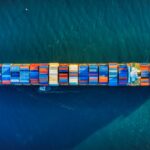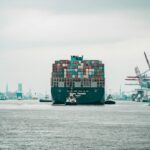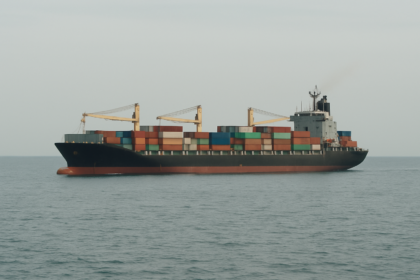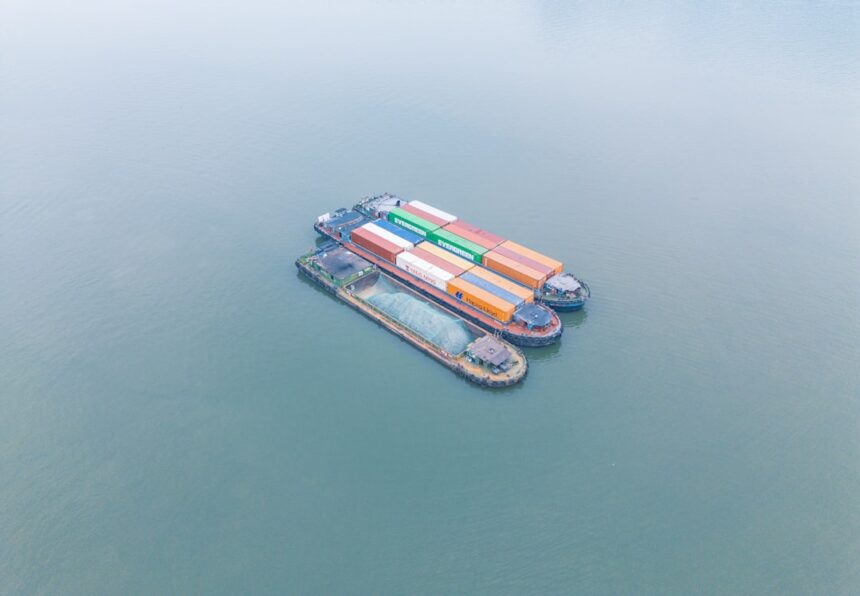
A container ship has recently made headlines after paying an unprecedented $4 million at auction to expedite its transit through the Panama Canal. The fee, associated with the Seaspan Benefactor, highlights the extreme measures shipping operators are taking in response to increasing congestion caused by geopolitical tensions, particularly the ongoing conflict in Iran.
Growing Congestion at the Panama Canal
As vessels seek alternative routes due to the Iran war, traffic through the Panama Canal has become more congested, with wait times for Neopanamax vessels stretching to nearly 10 days. This delay is the highest reported since May and reflects significant operational challenges for shipping lines reliant on the critical waterway connecting the Atlantic and Pacific Oceans.
According to recent data from Argus Media, the recent auction price paid by the Seaspan Benefactor exceeds double the average amount paid just one week prior. While standard transit costs through the canal typically involve a pre-established flat rate via reservations, the Panama Canal Authority has turned to auctioning spots to enable vessels to bypass the regular queue. This shift is indicative of a broader market reaction to current geopolitical climates affecting logistics and trade routes.

Industry Impact and Auction Dynamics
The involvement of such high auction fees suggests that many shipowners are willing to invest heavily to mitigate delays exacerbated by the conflict in Iran. The rise in demand for rapid transit options reflects a fundamental change in global trade patterns, especially for critical shipments of oil, liquefied natural gas, and other essential commodities, particularly those originating from or destined for Asian markets.
The Panama Canal Authority has acknowledged the challenges posed by maintenance outages affecting the Neopanamax locks, which are currently experiencing a reduced maximum draft due to lower-than-expected rainfall resulting from the El Niño phenomenon. These technical limitations culminate in an operational environment where shipping companies are forced to adapt quickly to ensure timely delivery of goods.
The Operational Read
The escalation in auction prices at the Panama Canal symbolizes the significant disruptions facing global shipping operations today. For operators, the need to offset high wait times with expedited transit costs could reshape budget strategies and impact long-term freight rates. Moreover, with additional maintenance and environmental factors complicating canal usage, operators should remain proactive in monitoring alternative routes and logistics strategies to mitigate delays. The implications of these developments necessitate an agile approach to supply chain management, as ongoing geopolitical tensions could persist in driving volatility in maritime trade.