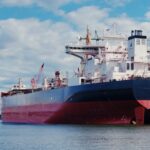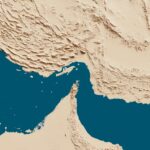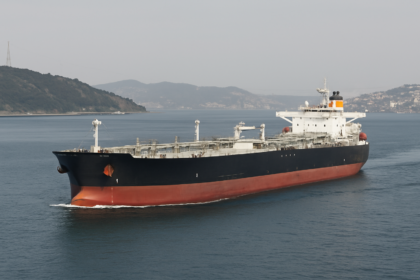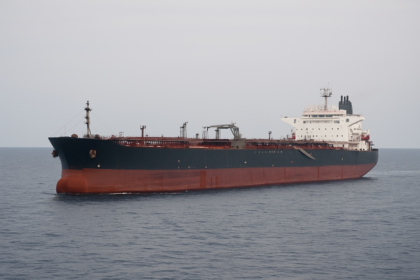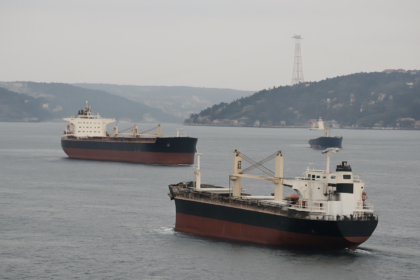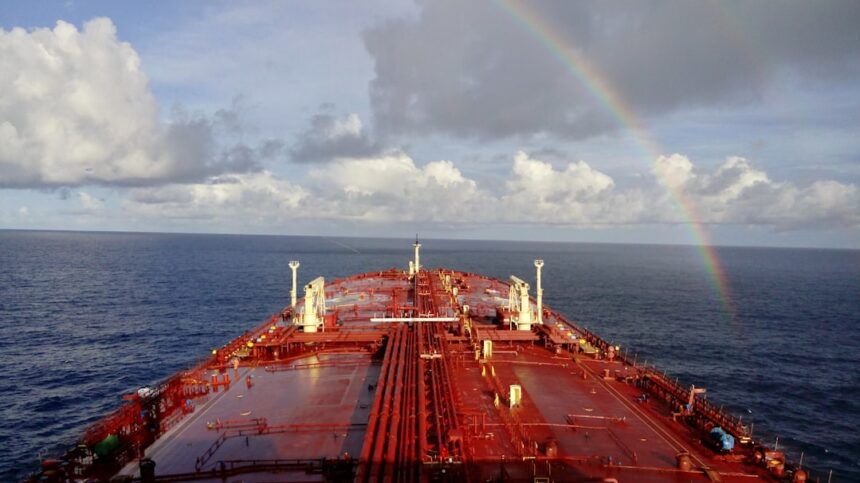
Recent data reveals that since the naval blockade’s reactivation on 14 July, the Strait of Hormuz has seen a significant increase in tanker transits operating without Automatic Identification System (AIS) signals. Of the 102 recorded transits, approximately 62% were conducted with AIS switched off, highlighting a trend towards ‘dark’ transits that raise concerns about accountability and maritime safety.
The Dark Transit Phenomenon
Among the tankers, 79% of crude carriers transited without transmitting their positions, in contrast to 50% of clean petroleum and product tankers. This discrepancy emphasizes that the use of dark transits is particularly prevalent in the crude oil trade. In terms of ownership transparency, 56% of the vessels involved were operated by parties with non-transparent affiliations. This includes 29 sanctioned vessels, as well as vessels under opaque ownership and those associated with ghost fleets. Such dynamics exacerbate the complexities surrounding maritime security in this volatile region.
Geopolitical Implications
On 5 August, Iran announced that it had reached a preliminary agreement with Oman regarding the establishment of a proposed shipping corridor through the Strait of Hormuz. This corridor envisions inbound traffic utilizing the Iranian side and outbound traffic along the Omani side. Nevertheless, any concrete implementation of this routing plan remains uncertain, and key details, including potential service fees, have yet to be confirmed. The United States has publicly articulated opposition to any transit fees, while the International Maritime Organization (IMO) maintains that international law does not support discriminatory transit charges within the strait.

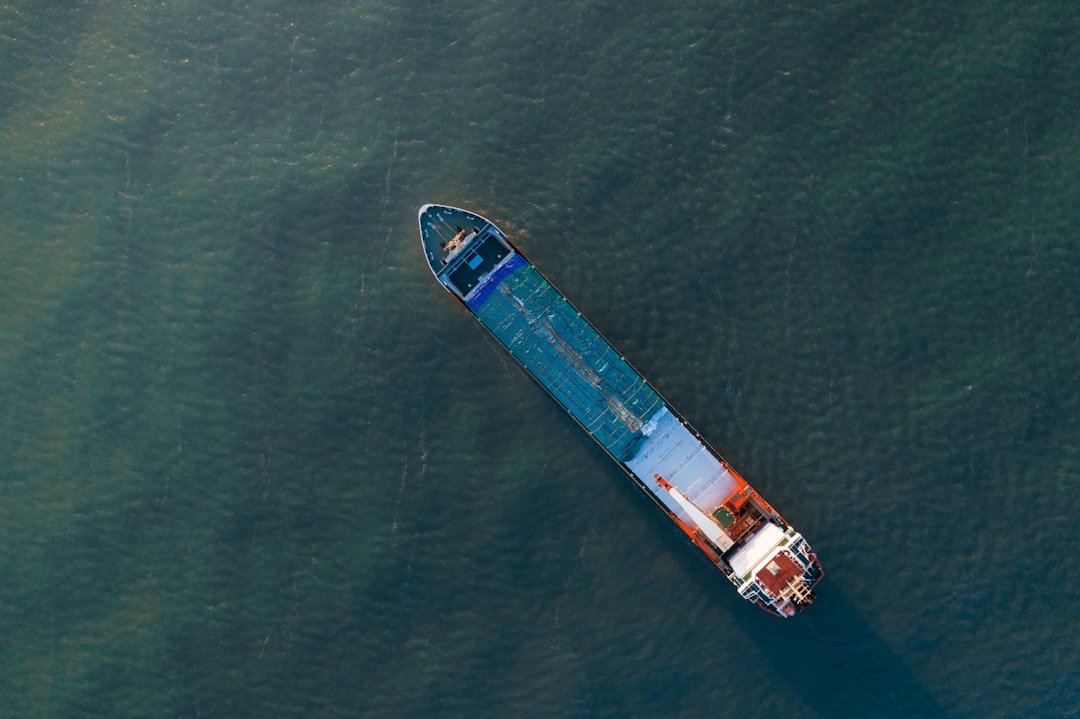
Furthermore, local legislative movements in Iran could restrict transits by vessels from countries deemed hostile, including the U.S. and Israel, posing an additional challenge for operators in the region. Although this proposed bill is still undergoing scrutiny, its implications could further complicate maritime operations and increase risks associated with navigating the Strait of Hormuz.
The Operational Read
The operational environment in the Strait of Hormuz remains precarious for vessel operators, given the high incidence of dark tanker transits and the substantial percentage of untraceable ownership. The recent trends point to a significant risk for incidents that could escalate into conflicts, affecting oil supply chains globally. Operators should be prepared for potential disruptions and fluctuating freight rates as geopolitical tensions evolve. The lack of confirmed routing agreements alongside ongoing regulatory uncertainties will likely hinder a return to normal transit levels, compelling operators to exercise caution and continuously monitor developments in the area to mitigate risks.