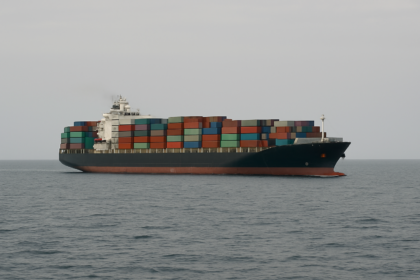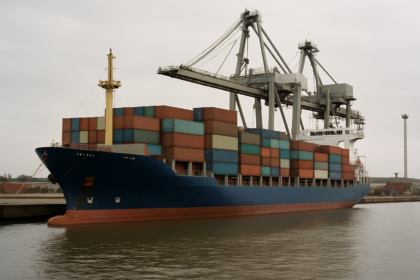
On July 27, 2026, the International Maritime Organization (IMO) launched its Maritime Autonomous Surface Ships (MASS) Code, introducing a groundbreaking regulatory framework for ships operating with remote control and autonomy. This initiative shifts the focus from solely technological capabilities to a structured regulation that encompasses the operational realities of maritime autonomy.
The Regulatory Framework
The MASS Code represents a pivotal moment in maritime governance, establishing a common basis for assessing new operating concepts involving autonomous vessels. Unlike traditional frameworks that often emphasize strict compliance, the MASS Code is goal-based and technology-neutral, allowing for a variety of operational scenarios while focusing on safety outcomes.
By defining requirements for safe operations without prescriptive technical solutions, the Code facilitates the development of various autonomy models, from systems that support onboard decision-making to fully remote-controlled ships. This incremental approach supports the gradual integration of autonomy in maritime practices.

Voluntary Compliance and Innovation
The MASS Code’s non-mandatory status may appear counterintuitive given the stringent compliance often associated with maritime regulations, yet it serves a strategic purpose. By adopting a voluntary framework, the industry retains the flexibility to explore diverse applications and safety methodologies while promoting innovation at a scalable pace.
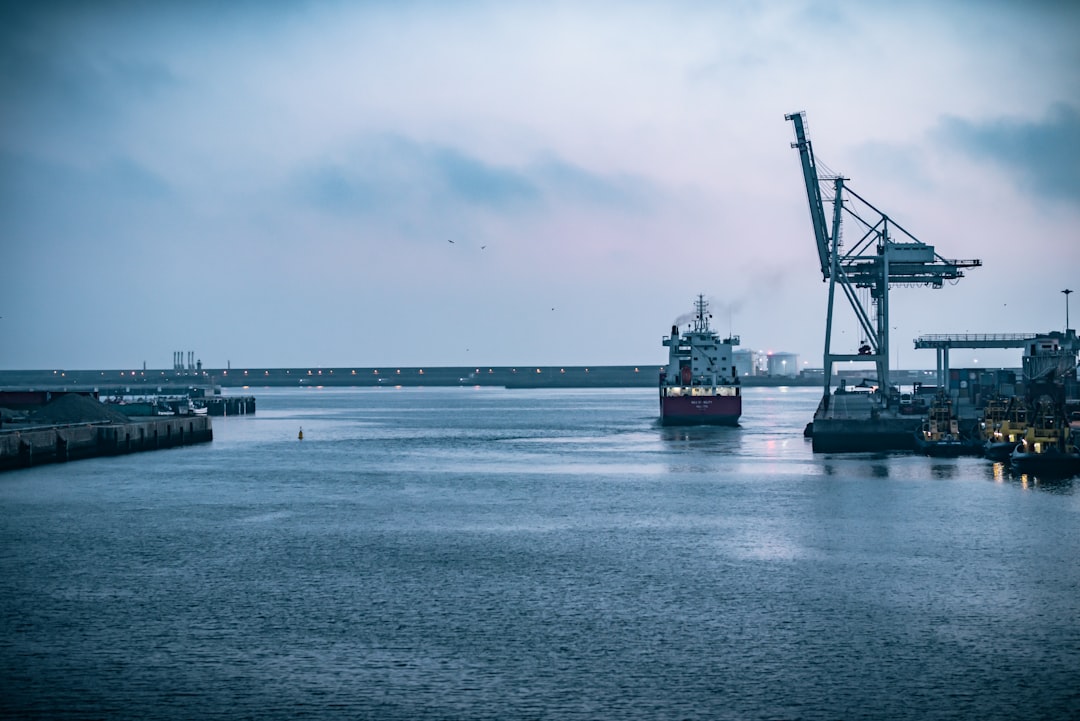
Central to this strategy is the experience-building phase, wherein data collected from autonomous projects can be analyzed to refine safety protocols and enhance the Code’s efficacy. This method emphasizes the critical role of flag states and classification societies, ensuring that each project undergoes a rigorous assessment to demonstrate safety through comprehensive risk assessments and documentation.
Wider Scope of Regulation
A noteworthy advancement in the MASS Code is its extended regulatory perspective, which encompasses the entire operating system involving autonomous vessels rather than focusing solely on the ships themselves. This holistic approach acknowledges that safety and operational efficiency are interconnected with various systems that govern maritime activities.
The implementation of the MASS Code underscores the IMO’s recognition of the diversity in maritime operations and its commitment to fostering a safe and innovative environment for the introduction of new technologies. While the current framework is voluntary, it lays the groundwork for potentially adopting mandatory regulations in the future as the industry evolves.
Why It Matters
The introduction of the MASS Code is a significant development in the maritime sector, providing a structured but flexible framework for assessing the safety of remote-controlled and autonomous vessels. For operators and charterers, this represents an opportunity to innovate while ensuring compliance with safety standards. The phased approach to autonomy will allow stakeholders to adapt, invest in new technologies, and build operational knowledge based on real-world data. Moving forward, close attention will be needed on how flag states and classification societies implement these guidelines and assess new projects, which will ultimately shape the future landscape of maritime operations.