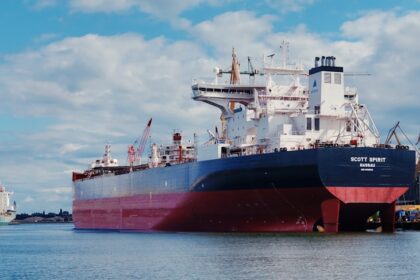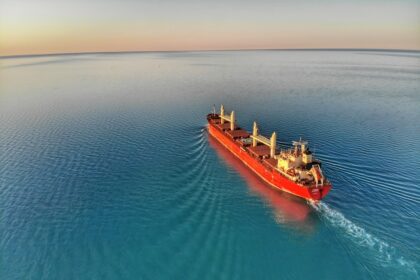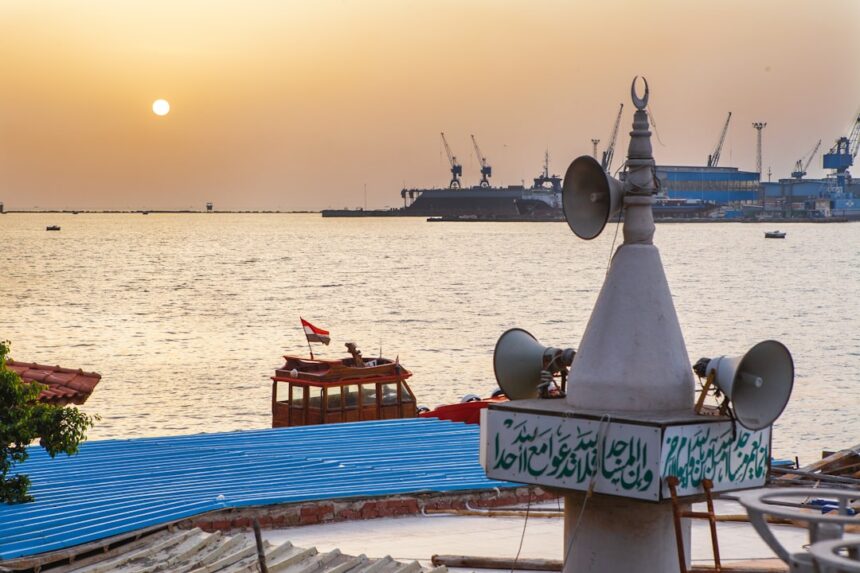
In a significant shift in maritime operations, the vlcc Olympic Luck has become the first supertanker carrying Saudi oil to navigate the longer Suez Canal route following heightened threats from Houthi rebels. This transition is expected to have profound impacts on freight costs and shipping patterns within the Red Sea and beyond.
The Incident
The Olympic Luck transited the Suez Canal late Sunday, carrying a partial load of Saudi crude oil. In light of recent Houthi declarations of a blockade in the Red Sea and attacks on vessels, the supertanker opted for this longer and costlier shipping route to reach Asia from Europe. Market intelligence from Kpler indicates that the vessel is now destined for an unspecified location in Asia.
Greek-owned and with a capacity to carry up to 2 million barrels of crude, the Olympic Luck had to offload approximately half of its cargo at Ain Sukhna in the Red Sea. From there, the oil is piped north to Sidi Kerir in northern Egypt, allowing the tanker to reload and continue its journey. The implications of this routing decision are notable within the context of broader geopolitical tensions.

Ship Tracking Developments
Following the Olympic Luck, the VLCC DHT Gazelle has begun signaling and is currently idling at the entrance of the Suez Canal. This vessel, also carrying crude from the Saudi port of Yanbu, is reportedly heading towards an oil refinery in the Philippines. Ship-tracking data indicate that the DHT Gazelle previously operated from the Arabian Sea, having crossed the Bab el-Mandeb in darkness.
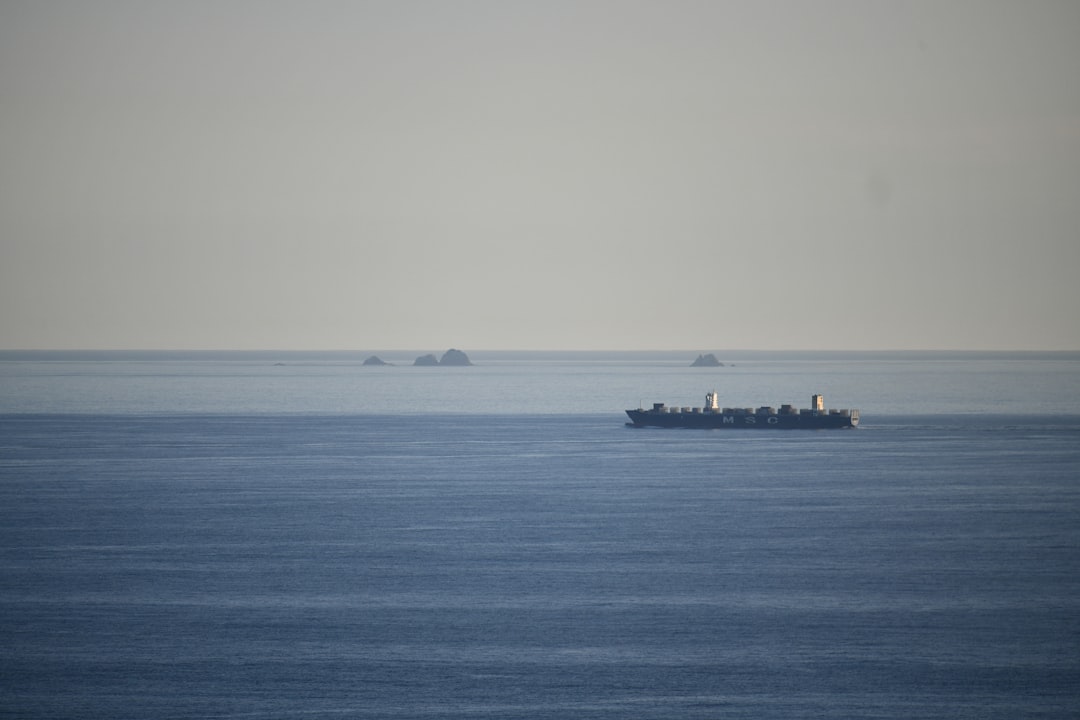
Despite the risks, some vessels have continued to transit the Bab el-Mandeb Strait, including those operated by nations maintaining diplomatic ties with Iran, like China and Pakistan. However, traffic has diminished significantly, with only 14 commodity vessels crossing the strait in either direction on Sunday, marking the lowest daily total observed this year.
Market Impact
The Houthi rebels have exacerbated the complexities of maritime navigation in the Red Sea, impacting overall traffic through the region as they introduce new layers of risk. As operators reassess their routes, demand for alternative paths may rise, impacting shipping costs and timelines.
Vessels such as Pakistan-flagged Aframax tankers, like the Lahore and Karachi, have also been spotted moving toward the Gulf of Aden after loading from Yanbu. Meanwhile, reports suggest that multiple smaller product tankers and bulk carriers have managed to cross the Strait of Hormuz under the radar, with transponders turned off as a precaution against escalating tensions.
The Operational Read
The transition of the Olympic Luck to the Suez Canal signifies a critical operational adaptation in response to geopolitical instability. For operators, this highlights the necessity of reassessing route options and the potential financial implications of increased transit times. Additionally, as shipowners weigh the risks associated with navigating through volatile choke points, the maritime industry may see a shift toward longer, more secure routes, impacting overall supply chain costs and logistic efficiencies. Moving forward, vigilance over regional developments and their influence on shipping dynamics will be essential for stakeholders in the maritime sector.