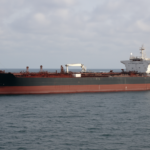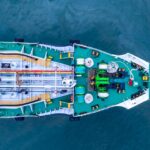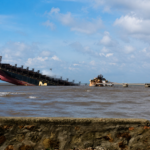
Commercial shipping in the Black Sea is experiencing significant disruption due to intensified military actions from both Russia and Ukraine. Recent reports indicate that Russia’s defense ministry has carried out missile strikes on Ukrainian port infrastructure, particularly in the cities of Odesa and Chornomorsk. These attacks are part of an ongoing escalation that is transforming the Black Sea into a more hazardous environment for commercial vessels.
The Incident
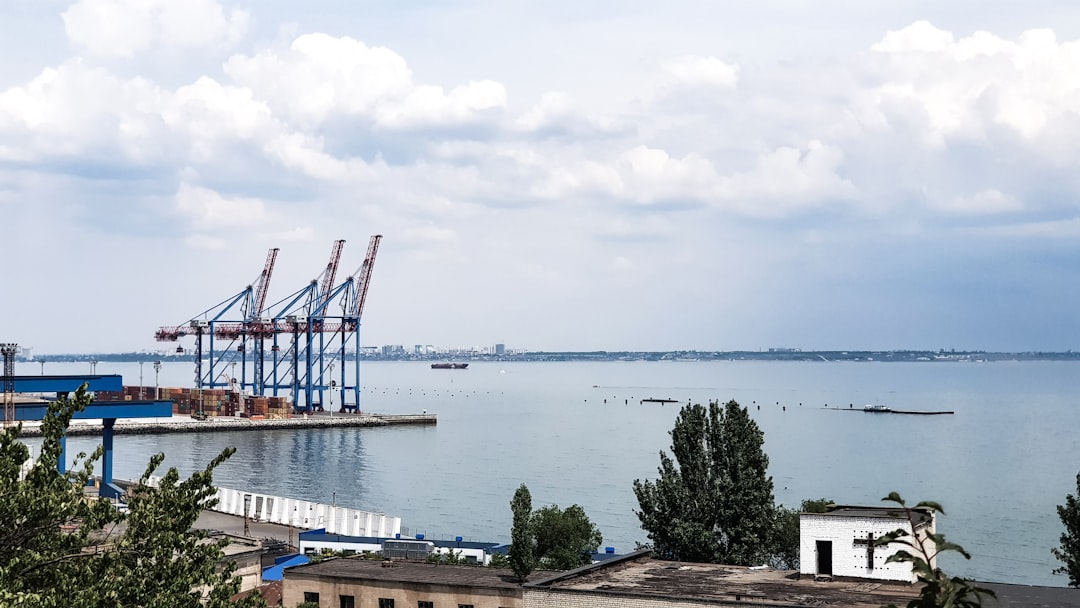
On Wednesday, Russian forces targeted various maritime assets, disrupting operations and raising concerns among shipping companies. The strikes on Odesa and Chornomorsk not only damaged port facilities but also created an immediate threat to vessels in the vicinity. Concurrently, Ukraine is conducting its own military campaign, deploying drones to target Russian maritime gateways, effectively tightening restrictions at one of the country’s largest ports.
The convergence of these military actions is creating a dual pressure on Black Sea trade, forcing operators to reevaluate their shipping plans. With vessels facing potential loss of life and cargo, many are reconsidering their routes and operational protocols in response to the heightened risks and complexities of the situation.

Market Impact
The impact of the escalating conflict on the Black Sea is being felt throughout global shipping markets. Reports suggest a marked decrease in maritime traffic as operators seek to avoid the increasingly volatile environment. The heightened threat perception has led to rising insurance premiums for vessels operating in the region, with some insurers reportedly imposing cover restrictions and larger war-risk premiums.
The repercussions extend beyond immediate operational concerns, as trade flows are disrupted and commodity prices fluctuate. The Black Sea is a crucial corridor for key exports, including grains and energy resources, and any sustained disruptions could have broader economic ramifications.
Operator Response
In light of these developments, shipping companies are faced with critical decisions regarding their operational strategies. Many are considering rerouting vessels around the eastern Mediterranean as a precaution, despite the added costs and time. The operational readiness of vessels, in terms of crew and supplies, is becoming increasingly pivotal as safety concerns dominate strategic discussions.
Shipping operators are also enhancing safety protocols, including stringent tracking measures and contingency plans in case of emerging threats. It remains crucial for crews to remain vigilant and informed about the evolving conflict, and maritime organizations are actively monitoring the situation to guide their members through these turbulent waters.
The Operational Read
The operational landscape in the Black Sea presents a challenging scenario for shipping stakeholders. With the convergence of military activities from both Russia and Ukraine, vessel safety and cargo security are at heightened risk. As operations are constrained, firms must remain agile, exploring alternative routes while managing increased insurance costs and operational delays. This developing situation demands close attention, as sustained disruptions could lead to prolonged market instability. Operators are advised to maintain robust communication and risk assessment strategies to navigate this precarious environment effectively.