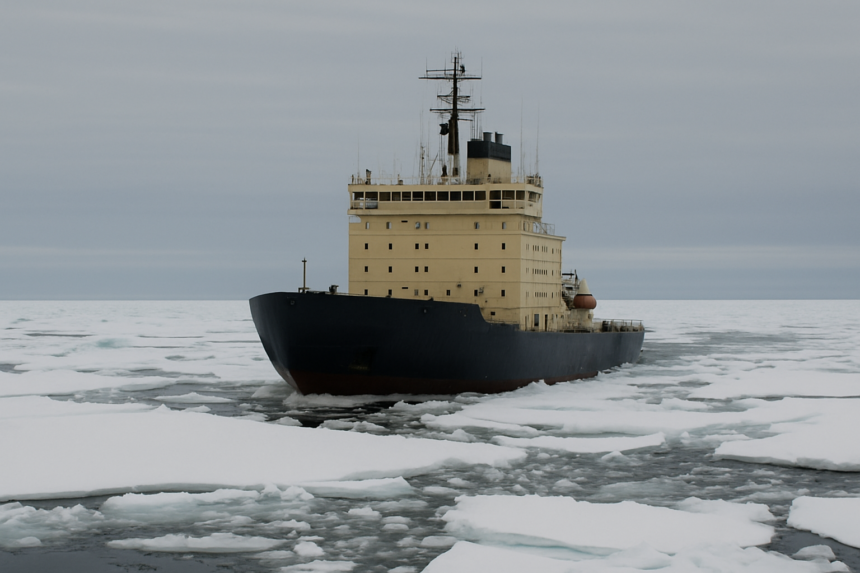
The U.S. Coast Guard is actively monitoring the transit of two Chinese research icebreakers, Xue Long and Xue Long 2, through the Bering Sea toward the Arctic, marking a notable escalation in foreign maritime activities within U.S. territorial waters. This operation aims to reinforce American maritime sovereignty and ensure adherence to international regulations.
The Incident
According to statements from the U.S. Coast Guard, the vessels have navigated through the U.S. exclusive economic zone (EEZ) and the extended continental shelf, leading to the deployment of the Coast Guard Cutter Munro (WMSL-755) under Operation Frontier Sentinel. The operation seeks to safeguard U.S. interests by ensuring that foreign vessels comply with international law, particularly concerning scientific research activities that require prior U.S. authorization.
Geopolitical Context
This monitoring comes amid a backdrop of heightened Chinese activities in the Arctic, described by the Department of Homeland Security as “unprecedented” in 2025. These operations have included significant deployments of research and military-capable vessels, which have reportedly conducted numerous underwater dives and extended maritime research operations over U.S. territories.


Rear Adm. Bob Little, commander of the U.S. Coast Guard Arctic District, highlighted the need for active coordination among various governmental departments and international partners to navigate the increasingly contested nature of the Arctic region. Recent observations suggest that increased shipping and resource exploration due to diminishing sea ice are leading to a more competitive geopolitical landscape.
Operational Response
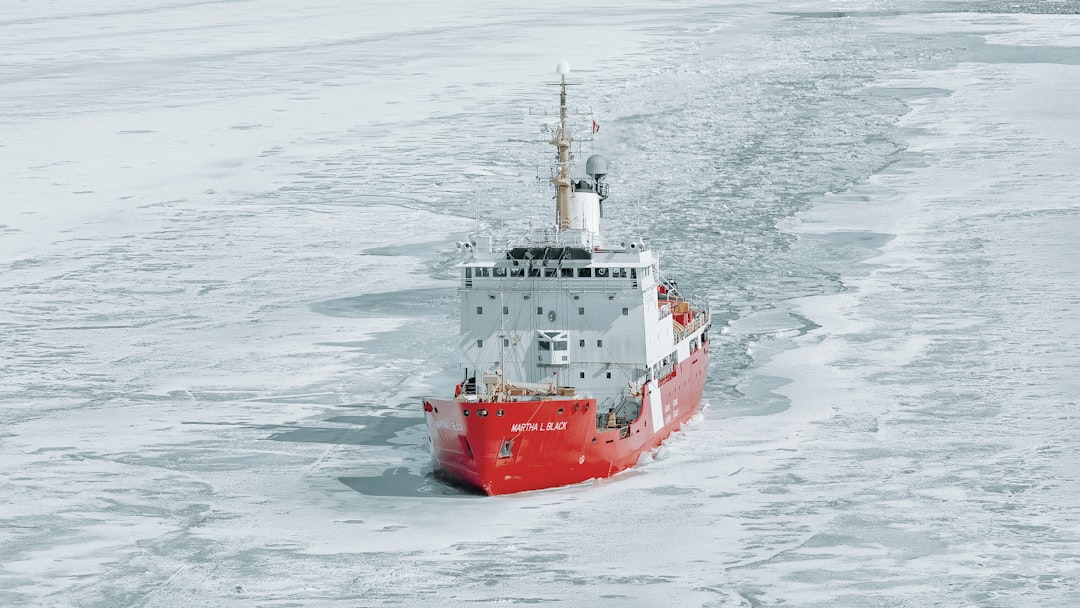
In response to the uptick in foreign Arctic operations, the Coast Guard has significantly augmented its operational capacity, particularly regarding icebreaker deployments. The introduction of the commercial icebreaker Storis has enhanced U.S. capabilities, allowing simultaneous operation of multiple icebreakers in the High North. This strategic decision aims to bolster surveillance and enforcement capabilities in response to incoming foreign vessels, some of which have previously conducted unauthorized scientific activities.
With the Arctic’s strategic importance growing, U.S. officials are advocating for the expansion of the Coast Guard’s icebreaker fleet, which is deemed essential for monitoring foreign activity and safeguarding American interests in potential resource-rich areas.
The Operational Read
The ongoing surveillance of Chinese icebreakers highlights the operational challenges faced by the U.S. Coast Guard in the Arctic. As geopolitical tensions rise, operators are advised to remain vigilant regarding compliance with international law, especially in regard to scientific research conducted within the U.S. EEZ. The Coast Guard’s expanded presence and operational readiness signify an acknowledgment of the heightened risks associated with foreign activities. Moving forward, monitoring patterns of foreign vessels and proactive engagement in this critical region will be essential to ensuring maritime security and maintaining sovereign rights.