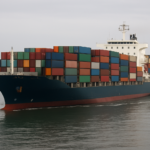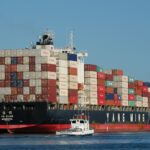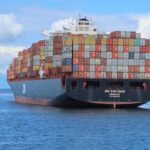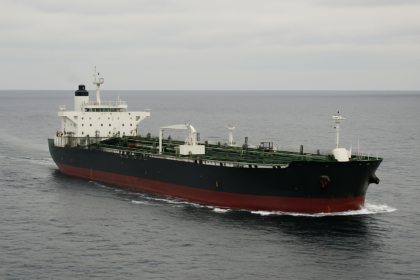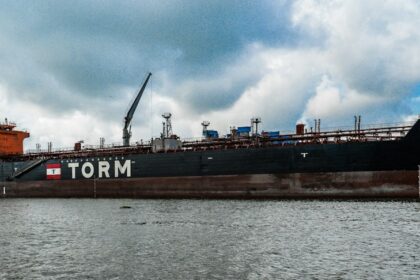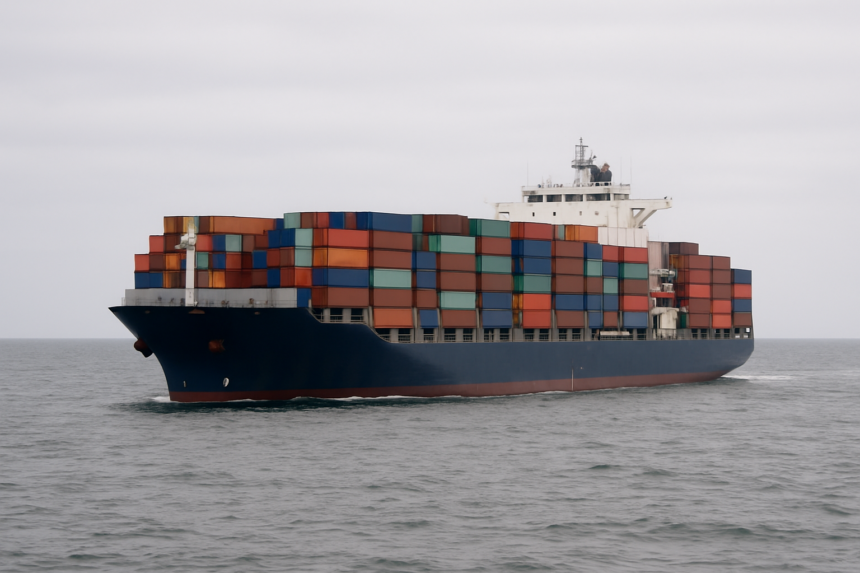
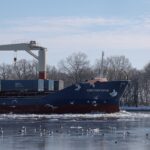
In a serious escalation of tensions in the Strait of Hormuz, a 7,000 TEU containership operated by Global Feeder Shipping was attacked and caught fire this week, prompting the crew to abandon ship. The incident has further strained the already volatile relationship between the United States and Iran, leading to fresh military strikes from both sides.
The Incident
Over the last five days, the situation in the Strait has rapidly deteriorated, leading to Tehran’s declaration that the key maritime route is closed. This announcement has significant implications, as nearly a fifth of the world’s oil passes through this chokepoint. Despite Iran’s claims, U.S. authorities continue to assert that the strait remains navigable. The attack on the vessel has shifted traffic levels to a five-week low, affecting operations for numerous shipping companies dependent on this vital route.
Market Impact
The impact of the attack on Global Feeder Shipping’s vessel extends beyond immediate safety concerns. The closure declaration from Tehran has raised apprehension among shipping operators about potential delays and the cost implications of rerouting. With Iran and the U.S. engaged in military responses, it’s imperative for operators to reassess their risk strategies, including war-risk premiums and insurance costs, which may rise sharply in light of these developments.

Operator Response
Shipping companies working in the region are urgently reviewing their operations and contingency plans. Rerouting through the Cape of Good Hope may become a more viable option to avoid the risk in Hormuz, despite the increased time and costs associated. As operators monitor the evolving situation, essential discussions around charter party agreements and laytime calculations are likely to gain prominence among decision-makers.
The Operational Read
The incident underscores the precarious nature of maritime operations in high-risk regions. Operators must navigate not only the geopolitical landscape but also the practicalities of vessel safety, crew welfare, and the economic implications of detours. The reliance on the Strait of Hormuz as a key transit route necessitates robust planning and flexible operational frameworks. As tensions continue to fluctuate, close attention will be needed on all maritime activity in and around this critical chokepoint, emphasizing the importance of maintaining instant readiness to adapt to changing conditions.