Update 16 Jul 2026, 10:34 UTC:
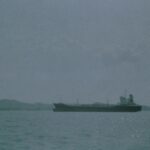
On Thursday, US Central Command conducted a missile strike against the Belma, a Curaçao-flagged tanker, after the vessel ignored several warnings while approaching Iran. This unprecedented military engagement in commercial maritime operations raises concerns about safety for shipping lines operating in the Strait of Hormuz, a significant chokepoint for global oil transportation.
The Incident
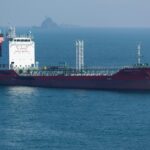
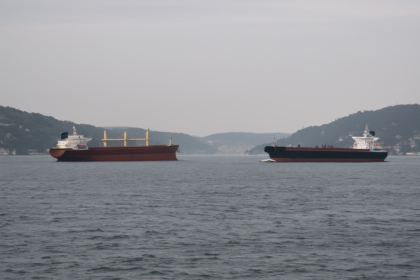
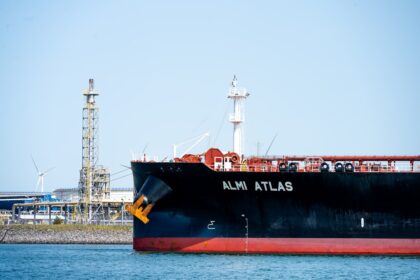
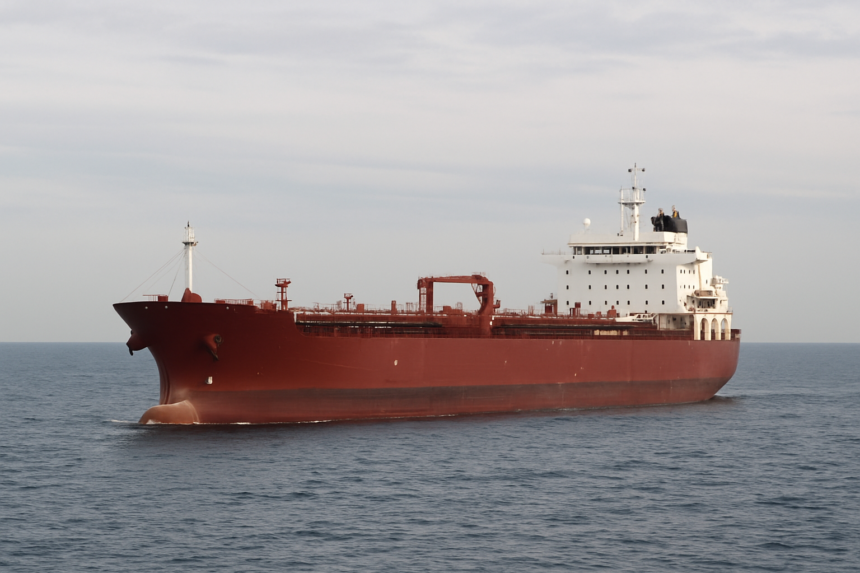
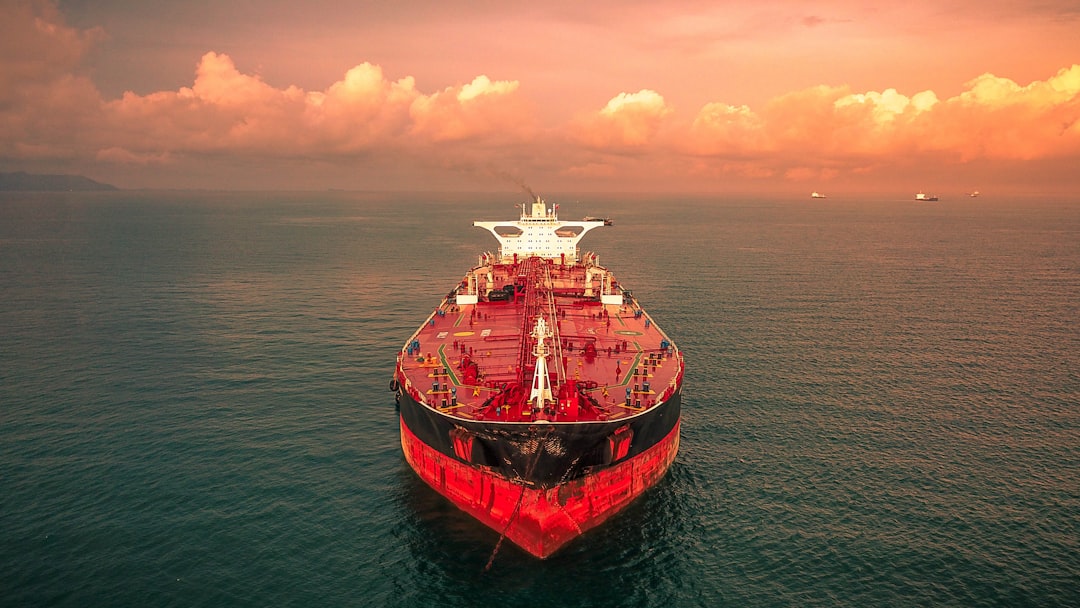
The Belma was reportedly an unladen tanker heading towards Kharg Island, Iran’s primary crude export terminal. According to US military officials, the aircraft targeted the vessel’s smokestack as it approached Iran’s territorial waters, ultimately disabling the ship. This incident underscores the increasing frequency and severity of confrontations in one of the world’s busiest maritime corridors.

Market Impact
Heightened military action in the Gulf has implications for maritime insurers and operators. As tensions increase, war-risk premiums are expected to surge, which could significantly raise operational costs for shipping companies navigating these routes. Additionally, commercial entities may seek alternative routes to mitigate the risks associated with transiting high-stakes waters, further impacting trade flows and logistics.
Operator Response
Shipping operators are closely monitoring the evolving situation and may adjust their operational protocols as necessary. Strategies could include enhancing onboard security measures and recalibrating voyage plans to account for the increased risk of military intervention. Furthermore, engagement with maritime security firms may become more prevalent as companies strive to safeguard their assets in volatile regions.
The Operational Read
This incident reveals the complex interplay between national security and commercial shipping in the region. For operators, ensuring vessel safety has become paramount as geopolitical tensions escalate. The situation invites scrutiny regarding the effectiveness of existing maritime security measures and operational readiness in the face of sudden conflicts. Stakeholders should prepare for possible changes in international shipping routes, while remaining vigilant about the broader implications for trade and logistics stability in the Gulf.