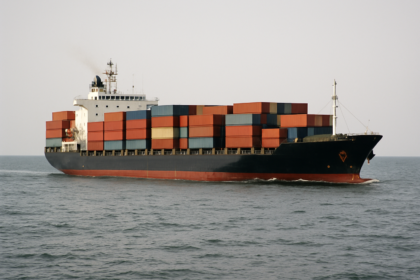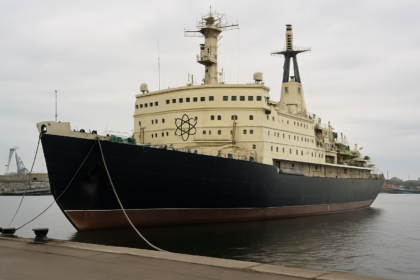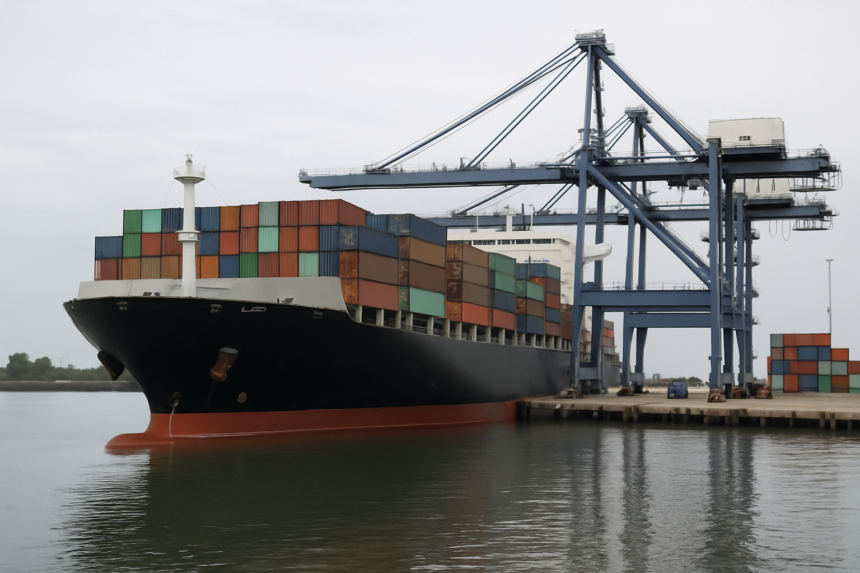
The 2025 Paris MoU Annual Report, released on July 1, 2026, reflects a concerning trend in maritime compliance, as both detention rates and refusals-of-access have risen significantly. This report is critical for ship operators seeking to maintain regulatory adherence and avoid additional scrutiny in their operations.
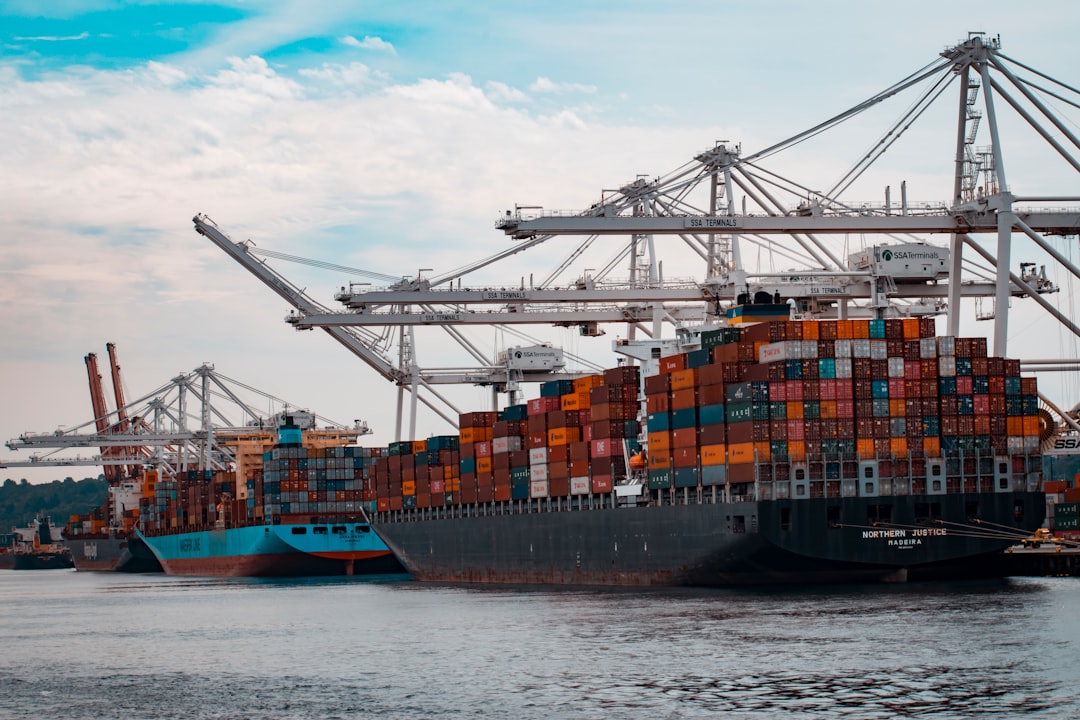
Detention and Refusal Rates
During the year 2025, the number of refusals-of-access to port facilities increased to 19, marking a rise after several years of consistent reporting under the Paris MoU framework. The detention rate also trended upward, reaching 4.18%, compared to 4.03% in 2024. The increase follows a period of heightened detention percentages, including a rate of 4.25% recorded in 2022, prompting the Paris MoU to intensively monitor these developments.
Key Compliance Areas
The report analyzes deficiencies across various conventions and highlights persistent areas of concern related to non-compliance. Notably, issues concerning fire safety, particularly within SOLAS Chapter II-2, accounted for 16.8% of reported deficiencies. Structural and electrical elements in SOLAS Chapter II-1 were responsible for 11.6%, while deficiencies related to health protection, medical care, and welfare accounted for 10.0% under MLC Title IV.


Specific deficiency levels revealed substantial issues with fire doors, which represented 3.1% of all deficiencies, and Seafarers’ Employment Agreements, at 1.3%. Broader deficiencies associated with the ISM Code also accounted for 4.5% of the total, reflecting ongoing challenges in effective management and operational practices onboard vessels.
Impact on Operators
As the maritime industry continues to grapple with compliance challenges, the findings of the 2025 Paris MoU Annual Report serve as a critical reminder for operators. The increase in detentions and refusals-of-access not only underscores the importance of maintaining regulatory standards but also highlights the need for enhanced training and operational oversight to address recurring deficiencies.
Considering the upward trends in detentions, operators may need to reassess their compliance strategies and ensure that crew members are fully trained in key safety protocols, fire safety, and proper documentation practices to mitigate the risk of penalties.
Why It Matters
The Paris MoU’s increasing detention and refusal-of-access rates reflect deeper issues within maritime compliance that operators cannot afford to ignore. With fire safety and operational management gaining heightened attention, the necessity for thorough training and adherence to international regulations will be paramount. Operators must proactively address these issues to maintain operational integrity and avoid costly disruptions. The industry must monitor these trends closely, as ongoing regulatory pressures will likely drive compliance expectations higher.