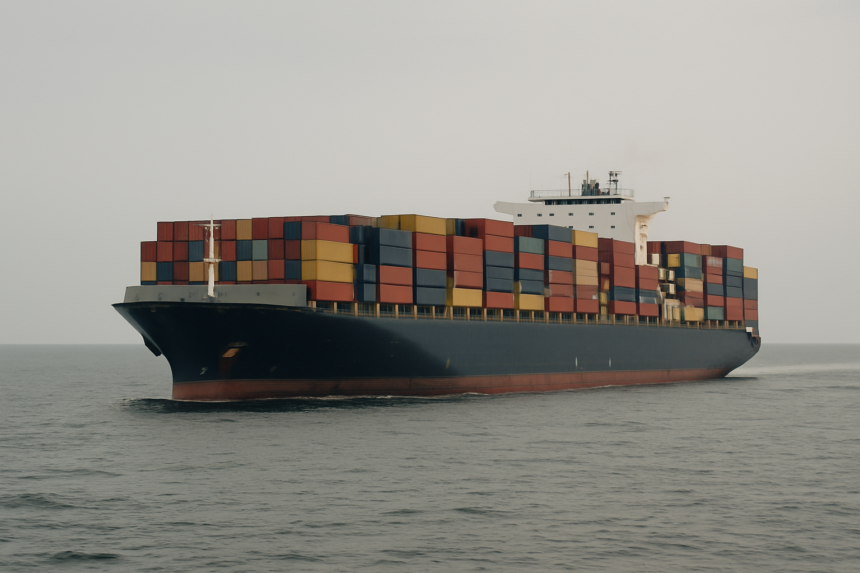
A.P. Moller-Maersk has significantly revised its financial guidance for 2026, reflecting stronger-than-anticipated demand in the global container shipping market. Spot freight rates, particularly for trades originating from the Far East, have demonstrated sustained strength, prompting the Danish shipping giant to adjust its expectations.
Financial Outlook Enhancement
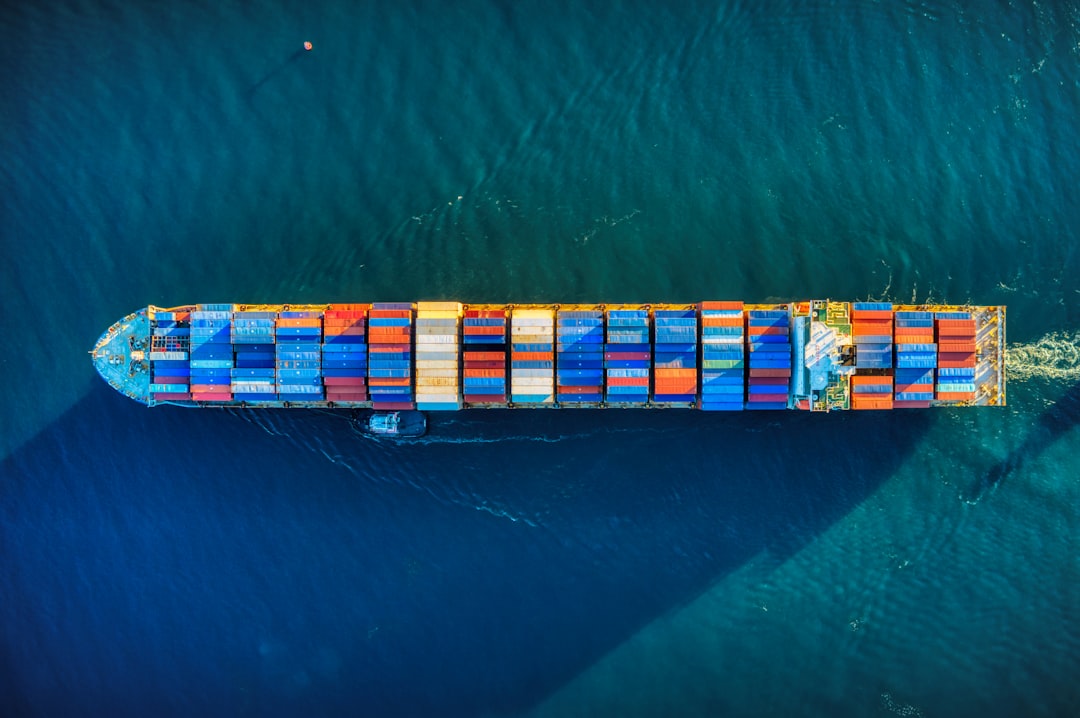
Maersk now estimates underlying EBITDA will range between $8 billion and $10 billion for the year, a notable increase from its earlier forecast of $4.5 billion to $7 billion. Additionally, underlying EBIT projections have shifted to $2 billion to $4 billion, compared to previous guidance, which indicated a potential loss of $1.5 billion to a profit of $1 billion.
The improvements extend to the free cash flow outlook, which is now projected at least negative $1.5 billion, a significant revision from the previous forecast of at least negative $3 billion. These financial adjustments reflect ongoing resilience in container demand and an uptick in spot freight rates amid continuing supply chain disruptions.

Market Dynamics and Geopolitical Influences
Maersk’s upgraded outlook parallels broader trends in the global shipping landscape, which has been impacted by prolonged supply chain disruptions. These disruptions have kept freight rates high across essential east-west trade lanes. As geopolitical tensions rise, shipping companies are grappling with the increased volatility and operational risks associated with routes through the Red Sea and Strait of Hormuz.
Allianz Commercial recently indicated that these geopolitical challenges represent a structural shift rather than temporary setbacks, encouraging carriers to brace for heightened volatility and adapt toward more resilient, albeit costlier, global supply chains. In response to these risks, Maersk has implemented extensive contingency measures in Middle Eastern operations.
Operator Response and Adjustments
Maersk has introduced various operational strategies to navigate the changing geopolitical and market conditions. The company continues to restrict bookings to several Gulf markets and is rerouting cargo through alternative hubs alongside utilizing inland transport corridors. These strategies aim to mitigate the impact of extended vessel disruptions and secure supply chain integrity.
In light of these developments, Maersk has also begun levying emergency freight surcharges to cover rising costs associated with additional storage, added charters, and cargo rerouting. The full extent of these measures and their impact on operational efficiency will be clarified in the company’s upcoming second-quarter results, scheduled for release on August 13.
Behind the Headline
The revised earnings outlook from Maersk underscores a significant recalibration in expectations due to unexpected resilience in container demand. For shipping operators, this situation illustrates the necessity of agility in response to both market reforms and geopolitical instability. The persistent disruptions within outlined trade routes necessitate flexible operational strategies, as disruptions continue to influence vessel utilization and exacerbate costs. Monitoring the evolving geopolitical landscape will be crucial for operators aiming to maintain service reliability and cost-effectiveness.