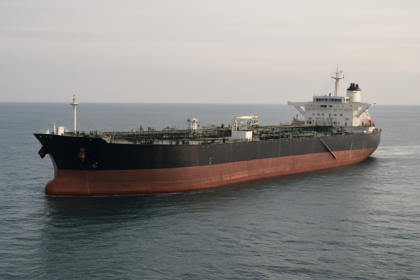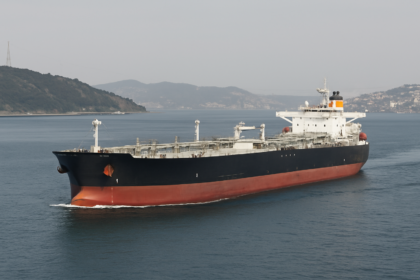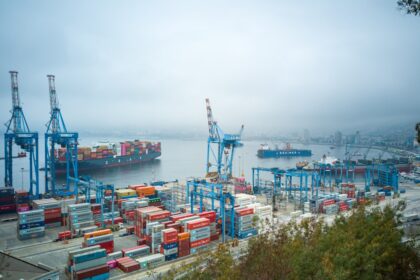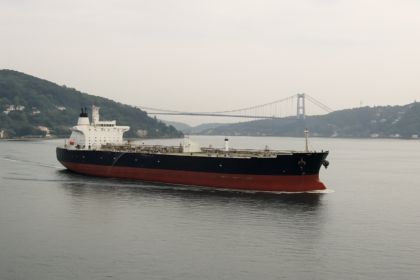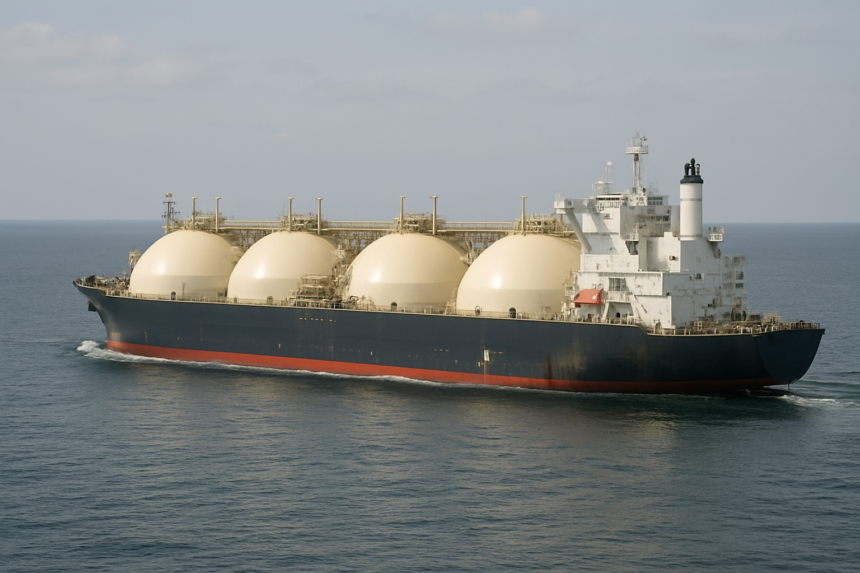
In a significant development, Russia has reportedly equipped its LNG carrier, Marshal Vasilevskiy, with heavy machine guns, signaling a militarization of civilian maritime assets in the Baltic Sea. Photographs captured by the Estonian Border Guard indicate the vessel was outfitted with two heavy machine guns during operations in the Gulf of Finland in May.
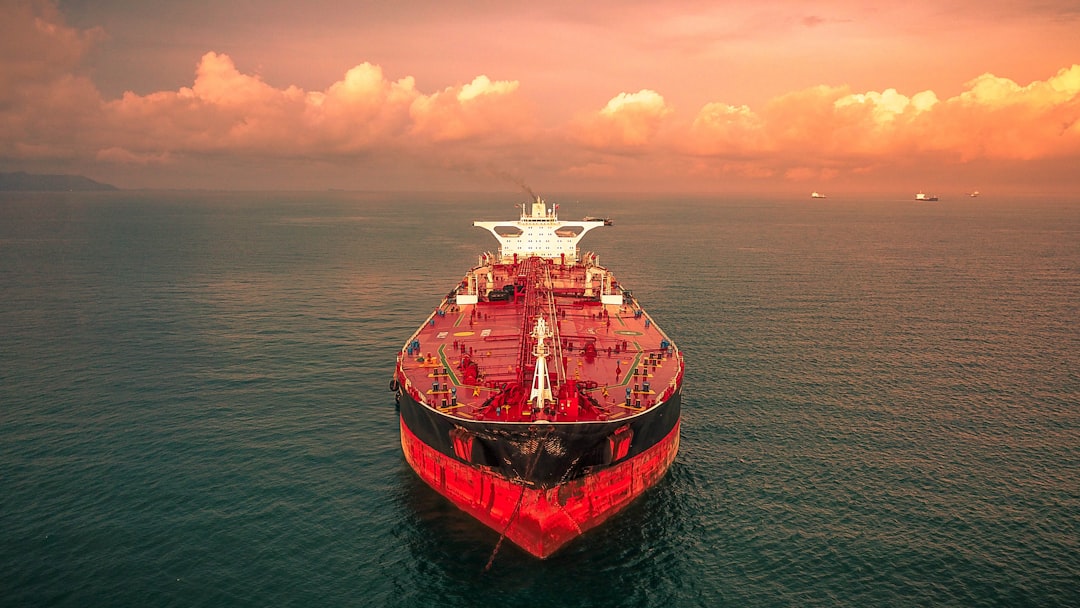
The images, originating from a surveillance aircraft, depict not only the armaments but also sandbagged firing positions and protective barriers around the weapons. Analysts have identified the guns as 12.7 mm Kord heavy machine guns, capable of targeting small vessels and low-flying aircraft at distances up to two kilometers. This development may be aimed at deterring potential boarding attempts or drone strikes.
The Strategic Role of Marshal Vasilevskiy
The Marshal Vasilevskiy holds a unique position within Russia’s energy framework, originally designed as a floating regasification unit to supply LNG to Kaliningrad. This function has become increasingly critical as geopolitical tensions have escalated and as Western sanctions limit alternative energy supplies. The ship serves as a vital lifeline for energy delivery to Kaliningrad, offering an alternative to pipeline infrastructure vulnerable to transit disruptions through Lithuania.

With deteriorating relations between Russia and NATO, the Baltic Sea has transitioned into one of Europe’s most militarized regions, further enhancing the importance of the Marshal Vasilevskiy in Russia’s broader LNG strategy. Despite a marked decrease in European imports of Russian pipeline gas, LNG exports from facilities such as Yamal LNG have maintained crucial streams of revenue for Moscow amidst sanctions.
Maritime Security Concerns
The escalation of Russia’s militarization of its energy vessels can be attributed to increasing security threats. Earlier incidents, such as the attack on the LNG carrier Arctic Metagaz in March, reportedly linked to Ukrainian naval drones, have heightened awareness regarding the vulnerabilities of Russia’s LNG shipping operations. Ukrainian forces have actively targeted Russian oil assets, including terminals and vessels, which further complicates the dynamics of maritime security in the region.
Russia’s concerns were also underscored by newly announced security measures from Sweden, indicating a broader trend as Baltic nations prepare for potential maritime conflicts. Sweden’s plan to equip its civilian Coast Guard with remote-operated weapon stations reflects the rising stakes for maritime operators in the Baltic Sea.
The Operational Read
The increasing militarization of the Marshal Vasilevskiy indicates a pivotal shift in operational strategy for Russian maritime assets, particularly within conflict-prone regions. This development is likely to influence shipping protocols for LNG carriers operating in the Baltic, as stakeholders assess the balance between operational efficiency and security measures. Operators may need to adapt to a heightened threat environment, potentially leading to the reassessment of routing strategies and insurance premiums in these waters. As geopolitical tensions persist, the focus will be on how increased military presence affects shipping operations and what implications this holds for energy trade routes in Northern Europe.