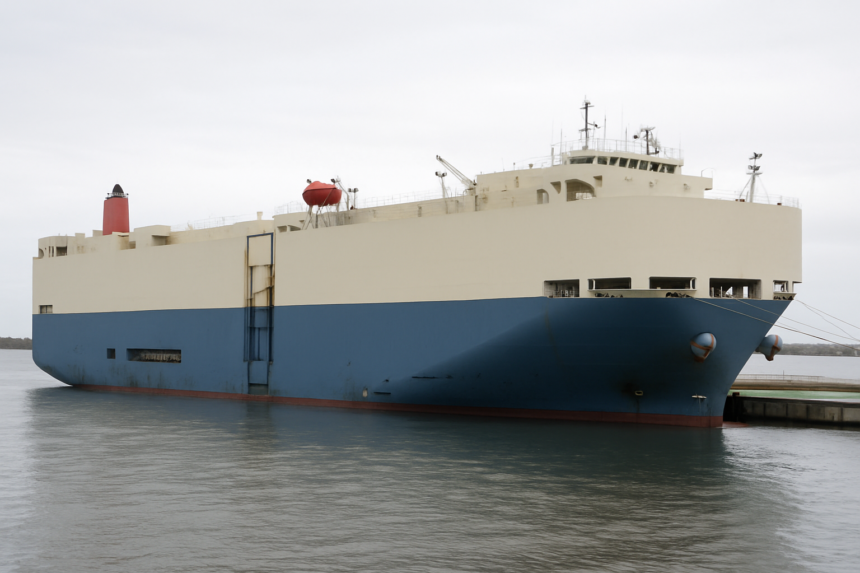
ExxonMobil and Nordic shipping company Wallenius Wilhelmsen have successfully concluded the first sea trial of a new B30-VLSFO blend produced from FAME distillation residue, marking a significant advancement in maritime fuel alternatives.

The trial was conducted aboard the vehicle carrier Titus, which was bunkered in Zeebrugge. ExxonMobil reported no operational issues during the trial, indicating successful fuel handling, storage, and filtration processes onboard, which aligns with the operational readiness expectations for marine fuels.
Details of the Trial
This specific B30-VLSFO blend closely mimics the properties of a similar blend derived from used cooking oil (UCOME), enhancing its compatibility with existing vessel fuel systems. According to ExxonMobil, the feedstock for the B30-VLSFO made from FAME distillation residue stands out, as it does not compete with other transportation sectors for supply, offering a more sustainable alternative.

Market Implications
Gideon Simmelink, ExxonMobil’s account manager for marine fuels, emphasized that the successful completion of this sea trial underscores a cost-effective pathway for customers to reduce their lifecycle greenhouse gas emissions. The increasing demand for low-emission fuels makes this development particularly relevant amidst the global shift towards sustainable practices in shipping.
ExxonMobil is currently active in supplying a diverse range of bio marine fuel blends across the ARA (Amsterdam-Rotterdam-Antwerp) region, the UK, and Singapore. This trial not only demonstrates technical feasibility but also positions ExxonMobil as a key player in the evolving market for sustainable maritime fuels.
Behind the Headline
The successful trial of B30-VLSFO indicates a shift towards innovative fuel solutions that are essential for the maritime industry’s decarbonization efforts. With rising regulatory pressures and market demand for sustainable shipping practices, the operational implications of such trials are profound. Ship operators may find smoother integration of these fuels, enhancing overall operational efficiency while adhering to environmental standards. Monitoring the performance of these blends in everyday operations will be crucial as more companies consider alternative fuel sources to meet their sustainability targets. Stakeholders should watch for regulatory developments that could support wider adoption of biofuels in the maritime sector.