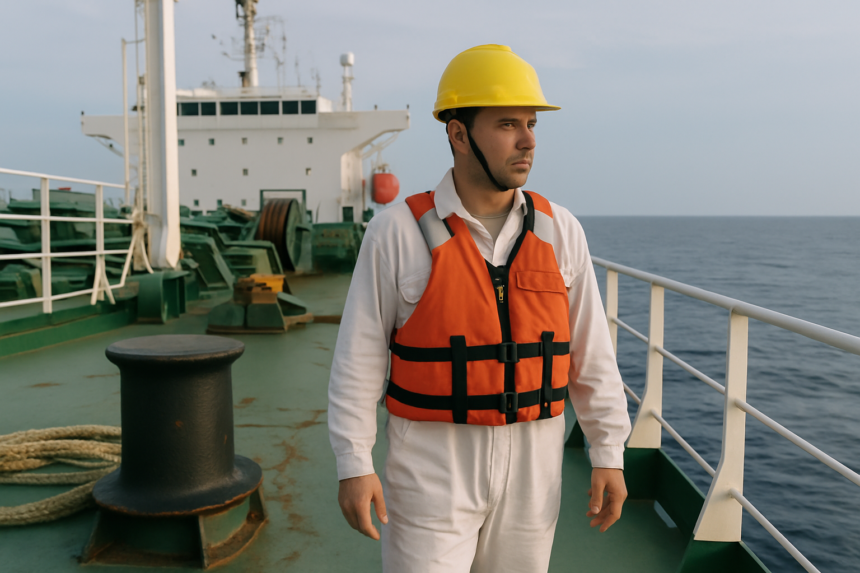
Research from the Institute for Human Rights and Business (IHRB) and the maritime consultancy TURTLE reveals that 31% of seafarers have been asked to pay illegal recruitment fees to secure employment on merchant vessels. This alarming statistic highlights a persistent problem within the maritime industry, presenting a challenge not only to crew welfare but also to the broader operational integrity of shipping companies.
The Study’s Findings
The comprehensive study underscores the exploitation faced by seafarers during the recruitment process. The research indicates that a significant proportion of maritime workers are subjected to illegal charges, which can lead to financial burdens before they even step aboard their vessels. Such practices not only violate ethical recruiting standards but also pose a risk to industry reputation and compliance with international labor laws.
Industry Response
In response to these findings, industry stakeholders are launching a concerted effort to eliminate these illegal recruitment practices. By uniting under a dedicated initiative, companies seek to establish clear guidelines and encourage transparency throughout the hiring process. This initiative aims to protect seafarers’ rights and ensure that they are not financially exploited, thereby fostering a more equitable working environment.

Challenges Ahead
Despite these proactive measures, the research reflects deeper systemic issues that complicate recruitment and employment practices in the maritime sector. Operators must navigate a complex landscape where illegal fees can undermine crew retention and lead to operational inefficiencies. Without significant changes in policy and enforcement, the industry may continue to face reputational damage and challenges in securing qualified crews.
Why It Matters
This issue is critical for the maritime industry as it directly impacts workforce stability and legal compliance. Operators must respond effectively to the challenges posed by illegal recruitment fees to maintain operational efficiency and uphold labor standards. Ongoing dialogue between industry stakeholders, regulatory bodies, and seafarers is essential to navigate the complexities of maritime employment practices. As the sector evolves, addressing these issues becomes increasingly critical for fostering a sustainable and ethical maritime workforce.