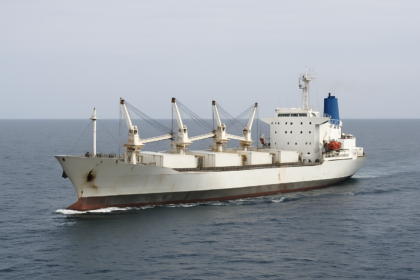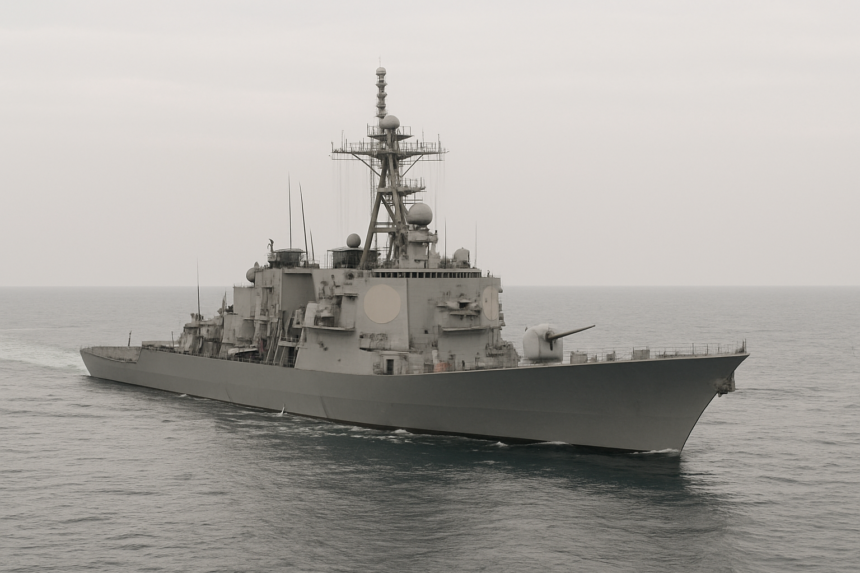
Insurance industry participants report that war coverage is now available for shipping companies seeking to transit the Strait of Hormuz, a crucial maritime chokepoint handling a significant percentage of global oil and LNG trades. Following a preliminary peace agreement between Iran and the United States signed on June 18, which includes provisions for demining operations, operators are cautiously optimistic about resuming standard maritime traffic.
Insurance Developments
Chubb, in collaboration with Lloyd’s syndicates and specialists, announced the formation of a war risk consortium on June 19, offering coverage limits of up to $200 million for hull and third-party liabilities, alongside another $200 million for cargo. Chubb’s CEO Evan Greenberg emphasized the company’s commitment to providing necessary coverage as shipping activities resume in the Strait of Hormuz, demonstrating a proactive approach in managing risk amidst fluctuating geopolitical circumstances.
Furthermore, Chubb has obtained a $40 billion reinsurance capacity, backed by the U.S. International Development Finance Corporation, aimed at facilitating more secure maritime trades in the region. This move follows a significant decline in daily ship transits, plummeting from an average of 135 in February to fewer than 10 by early March due to heightened conflict-related uncertainties.

Challenges Ahead
Despite these insurance advancements, the Lloyd’s Market Association (LMA) has indicated that a return to normalcy in shipping operations will be contingent upon overcoming various operational hurdles. Coordination among Iran, Oman, and the U.S. regarding navigational safety is essential, along with the clearance of mines and the restoration of full port services and emergency support capabilities. According to a statement by the LMA, stability and certainty are vital for shipowners and insurers as they navigate the complexities of the region’s maritime landscape.
As of June 22, transit figures are showing recovery, with 35 vessels passing through Hormuz. However, the LMA has cautioned that achieving a stable shipping environment will take several months and that operational challenges must be resolved before the full return of shipping traffic.
Market Implications
The war-risk premium has seen fluctuations, currently sitting between 3% and 4% of hull value following the peace agreement, a significant decrease from earlier rates of 4.5% to 6%. Yet, these premiums are still considerably elevated compared to the pre-conflict baseline of 0.25%, indicative of ongoing risks involved in Gulf operations. The American P&I Club has acknowledged that insurers adjust premiums based on conflict dynamics, reflecting a continual reassessment process.
Additionally, concerns over the inconsistencies among Western sanctions create uncertainties for shipping companies eager to capitalize on renewed trade flows. With the U.S. granting a sanctions waiver for Iranian oil sales until August 21, the absence of similar relief from the EU and UN further complicates the operational landscape for maritime operators.
The Operational Read
For operators transiting the Strait of Hormuz, the introduction of war coverage by major insurers like Chubb signals a potential increase in confidence for the resumption of maritime activities. Nevertheless, the lingering complications of navigating fragmented sanction regimes and ensuring safe passage amidst geopolitical fluctuations complicate the environment. Those in shipping must maintain vigilance, monitor developments in mine clearance efforts, and stay aligned with evolving regulatory guidelines to facilitate smoother operations in this critical maritime corridor.