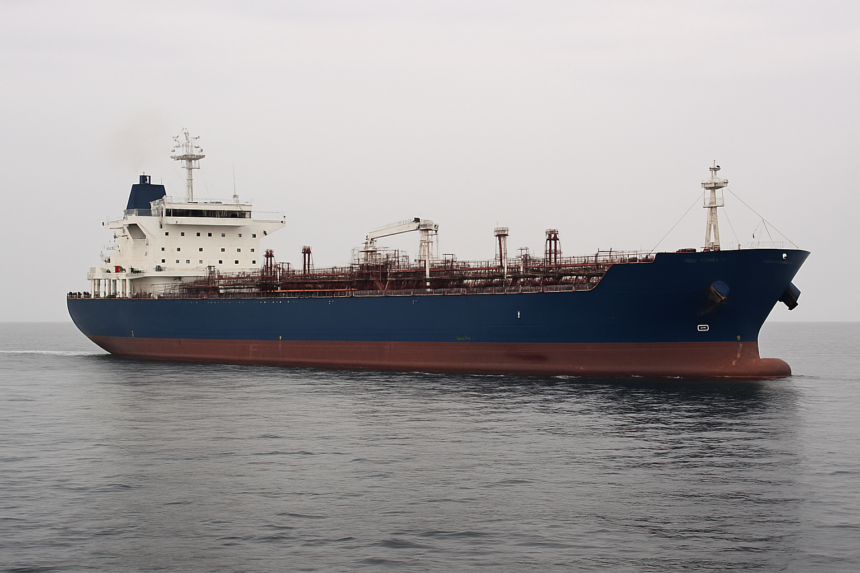
Transpetro, the logistics arm of Petrobras, has finalized a substantial contract worth $427 million with Estaleiro Rio Grande for the construction of four MR1 tankers. These vessels, each with a deadweight capacity of 40,000 tons, are specifically designed to facilitate the transportation of oil and petroleum products along the Brazilian coastline.

Strategic Investment
The new MR1 tankers will play a crucial role in enhancing Brazil’s domestic logistics capabilities, particularly in the oil sector. This order is integral to Petrobras’ broader Mar Aberto programme, aimed at renewing and expanding its fleet to meet growing energy demands and improve operational efficiency.
By investing in modern tanker construction, Transpetro aims to optimize its logistical operations, ensuring that it can effectively transport vital energy resources within Brazilian territorial waters. This move is expected to positively impact the supply chain for fuel distribution across the nation.


Implications for the Maritime Sector
This contract is not only significant for Transpetro and its operational agenda but also indicates a broader strategy within Brazil to bolster its maritime infrastructure. The introduction of these new vessels aligns with initiatives to modernize the aging fleet and enhance sustainability in fuel transport.
As the Brazilian government continues to promote investment in energy and infrastructure, the MR1 tanker order reflects an ongoing commitment to advancing regional economic growth while ensuring secure and efficient energy transportation.
Behind the Headline
The recent order by Transpetro for four MR1 tankers illustrates a critical shift in Brazil’s maritime logistics and energy transport capabilities. With the capacity to transport 40,000 tons of oil, these vessels will be vital in meeting domestic fuel demands and improving efficiency. The Mar Aberto programme is an essential component of Petrobras’ strategy to renew its fleet, addressing both aging assets and increasing environmental concerns. Observers should monitor how quickly these vessels enter operation and their impact on shipping routes and logistics costs within Brazil, as well as any ripple effects on the broader South American maritime industry.