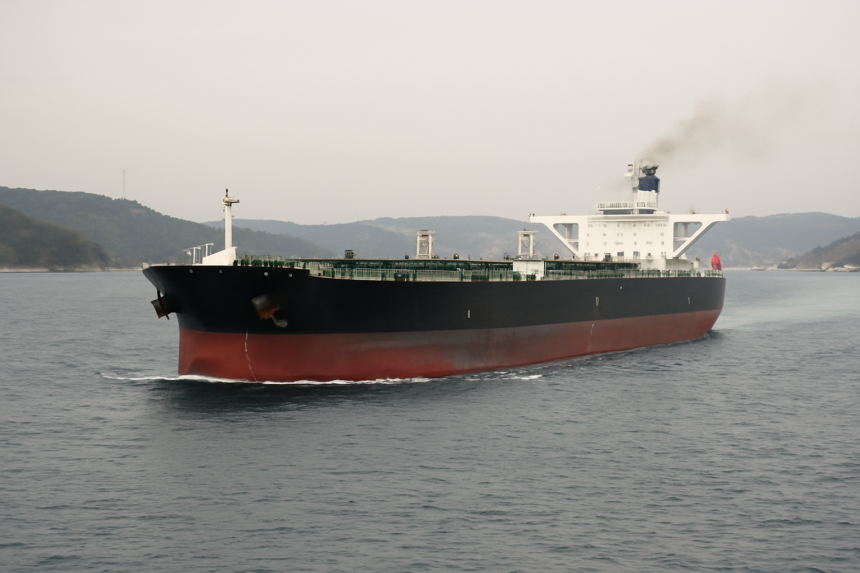
Traffic through the Strait of Hormuz has begun to increase following a period of disruption caused by Iran’s Revolutionary Guards. Recent data indicates that oil and liquefied natural gas (LNG) tankers navigated the strait on Monday, marking a noteworthy recovery in shipping activity.
The Incident
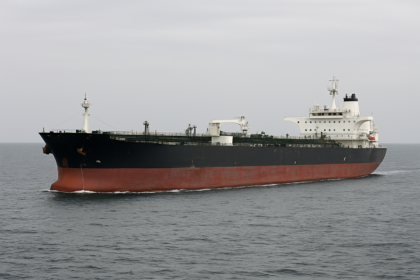
Iran had initially enforced an effective blockade on the strait over the weekend in response to escalating tensions, particularly following Israeli strikes in Lebanon. This decision came just after a 60-day ceasefire with the United States, which had previously enabled the reopening of the vital shipping lane. On Monday, four LNG tankers from Qatar entered the Gulf region via the strait, with two large crude oil carriers following suit towards the Iraqi port of Basra.
Market Impact
According to ship tracking data from Kpler, traffic is recovering, albeit slowly. The U.S. Navy-led Joint Maritime Information Center noted that commercial vessels are increasingly opting to route through either Omani waters or northern Iranian channels. The current level of daily crossings, although improved, remains significantly below the average of 125 before the hostilities commenced. The data indicates fluctuations in ship tracking as some vessels may be operating with their transponders off.

Operator Response
Following the renewed flow of traffic, oil producers in the Gulf are responding with renewed export efforts. The U.S. Central Command reported over 55 merchant vessels successfully traversed the strait last Saturday alone, transporting approximately 17 million barrels of oil to global markets. Additionally, the National Iranian Oil Company announced that since the previous week’s easing of restrictions, over 25 million barrels of Iranian oil have navigated the virtual blockade, underscoring Iran’s ongoing participation in the market despite geopolitical challenges.
The Operational Read
The resumption of tanker traffic through the Strait of Hormuz is pivotal for global oil supply lines, reinforcing the importance of this chokepoint in maritime logistics. Operators must remain vigilant, however, as geopolitical tensions persist, introducing unpredictability into route planning and operational safety. Furthermore, the activity in the region could fuel fluctuations in freight rates and demurrage costs if the situation escalates or if Iran enacts further restrictions. It will be crucial for vessel operators and charterers to reassess risk profiles and possibly look into temporary alternate routes as conditions evolve.