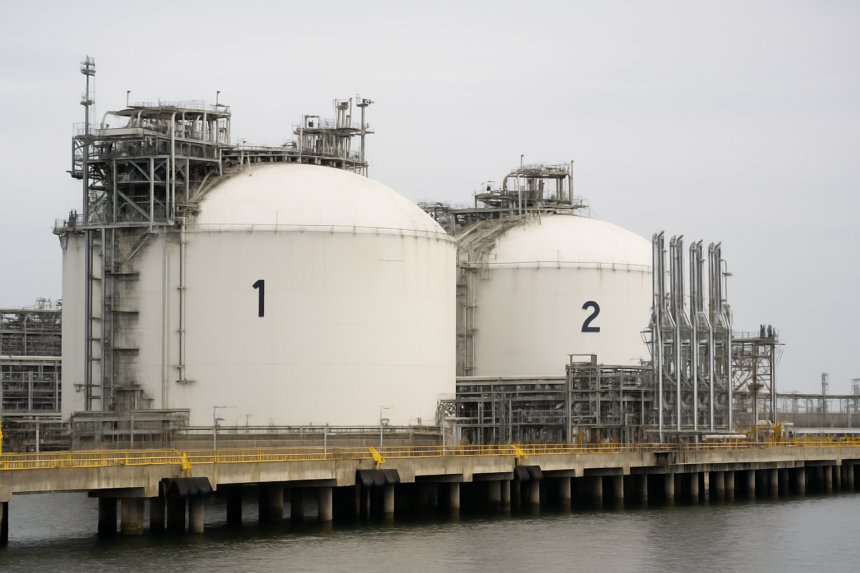
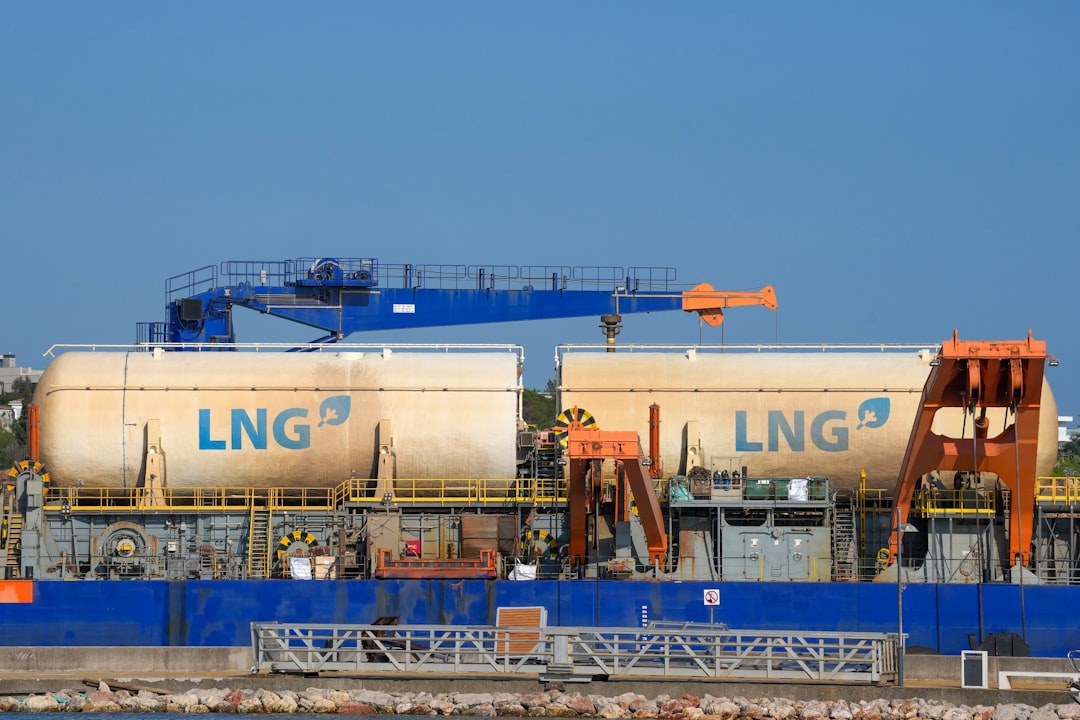
China is set to enhance its liquefied natural gas (LNG) import capabilities by establishing the Longkou LNG terminal in Shandong province, enabling the receipt of cargoes from Russia’s sanctioned Arctic LNG 2 project. According to three sources familiar with the matter, this initiative comes as the existing Beihai terminal in Guangxi struggles to meet the growing demand for imports from the heavily sanctioned project.
The New Terminal
The Longkou LNG terminal, operated by state pipeline giant PipeChina, has reportedly completed its mechanical build phase and is anticipated to be operational before October. This timeline positions it strategically to handle peak winter demand for energy. The Longkou facility has an annual receiving capacity of 5 million tons, slightly less than Beihai’s 6 million tons, both crucial for maintaining the logistical flow of LNG from Russia.
Impact on Russian Gas Exports
Russia’s Arctic LNG 2 project, which is designed to produce 19.8 million metric tons of LNG per year, has been adversely affected by sanctions imposed due to geopolitical tensions. The current Chinese market relies heavily on this project for LNG, especially after Europe significantly reduced its purchases of Russian gas. Since the project’s initial delivery in August 2025, the Beihai terminal has received approximately 41 cargoes, totaling around 2.6 million tons of LNG. The addition of Longkou can facilitate an increased intake of these sanctioned cargoes, providing critical support to the Russian gas sector amid Western restrictions.

Market Dynamics
China remains the sole known buyer of Arctic LNG 2, underscoring the importance of its investment in LNG infrastructure to absorb sanctioned energy supplies. Recent reports indicate that Novatek, Arctic LNG 2’s majority owner, has begun hiring in China and has implemented significant price reductions—between 30% and 40%—to incentivize purchases despite the ongoing sanctions. This pricing strategy illustrates the competitive landscape amid reduced export options for Russia.
The Operational Read
The establishment of the Longkou LNG terminal reflects China’s strategic approach to securing energy imports vital for its economy, particularly in light of sanctions. For operators and charterers, this shift emphasizes the need for adaptable logistical frameworks to manage fluctuating supply chains. As demand for sanctioned LNG rises, shipping and logistics companies will need to monitor loading and unloading efficiencies at both Longkou and Beihai, ensuring readiness to accommodate increased volumes. Additionally, companies interested in engaging Russian LNG should prepare for further price adjustments and capacity considerations, especially as winter demand peaks.