Update 24 Jun 2026, 08:34 UTC:
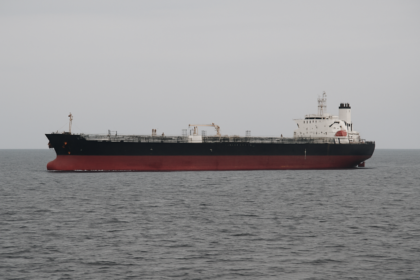
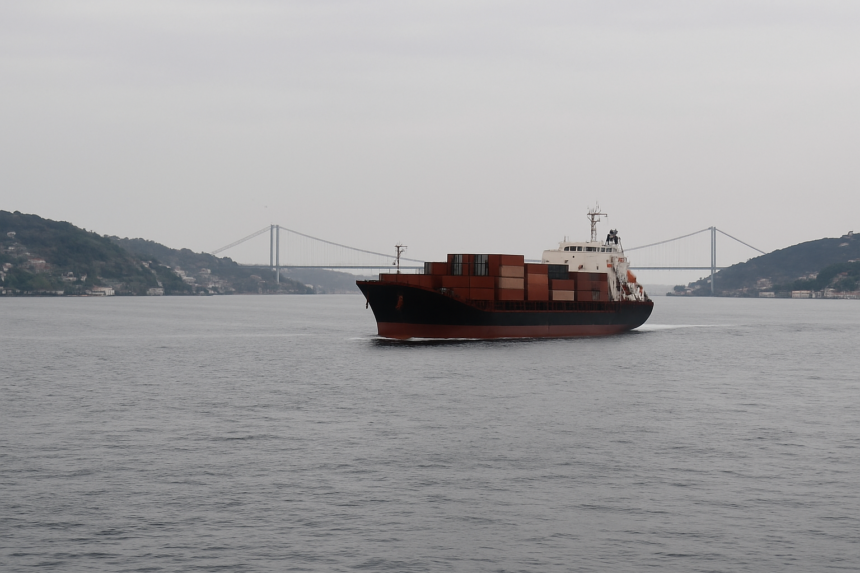
Recent developments indicate a gradual return to normalcy for vessel transits through the Strait of Hormuz, a crucial maritime corridor for global trade. International stakeholders have ramped up efforts to facilitate the movement of stranded ships, thereby enhancing overall maritime activity in the region. According to Allied Shipbroking, the strait has begun to ‘breathe again’, with increasing vessel transits indicative of renewed operational flow.

The Agreement
The recent memorandum of understanding between the U.S. and Iran plays a pivotal role in this resurgence, aiming to manage and control the distribution of maritime traffic in the Gulf. This acknowledgment of mutual interests aims to enhance navigational safety amidst intertwined national interests, marking a significant step in de-escalating tensions that have plagued the area.


Market Implications
The implications for global shipping operators are notable. The Strait of Hormuz is one of the world’s most significant chokepoints, handling a substantial portion of global oil and liquefied natural gas (LNG) shipments. As transits increase, shipping companies must remain vigilant about the potential for fluctuating geopolitical tensions that could disrupt this delicate balance of operations.
The Operational Read
The phased reopening of the Strait of Hormuz emphasizes the need for shipping operators to adapt swiftly to evolving geopolitical landscapes. With tensions easing, a cautious optimism pervades the maritime industry. However, operators must prepare for the possibility of sudden changes that could impact laytime and demurrage costs. Enhanced vigilance is also necessary, as any regional instability could prompt immediate rerouting and increase war-risk premiums. Continued monitoring of the situation will be critical for ensuring safe and efficient vessel operations in this vital corridor.