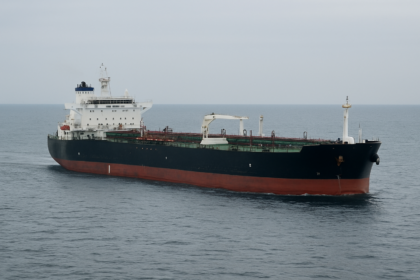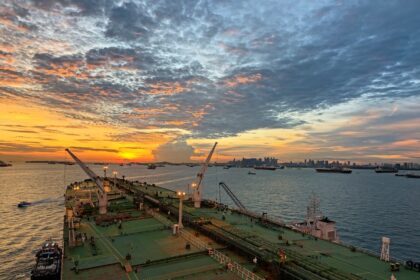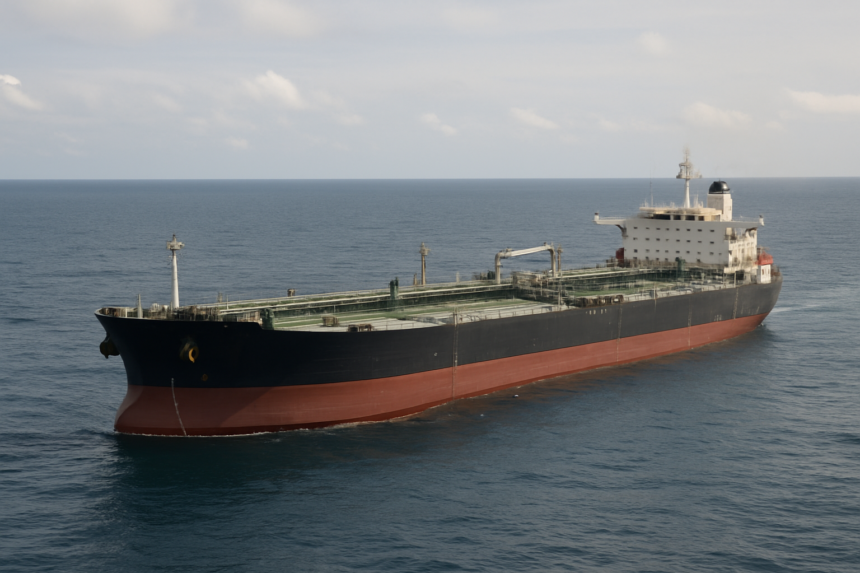
Increased commercial shipping traffic through the Strait of Hormuz is projected if a stable agreement is reached between the U.S. and Iran, according to Lars Barstad, CEO of oil tanker company Frontline. During a recent interview, Barstad expressed optimism about a potential uptick in tanker transits, currently limited to five to ten ships daily due to security concerns in the region.
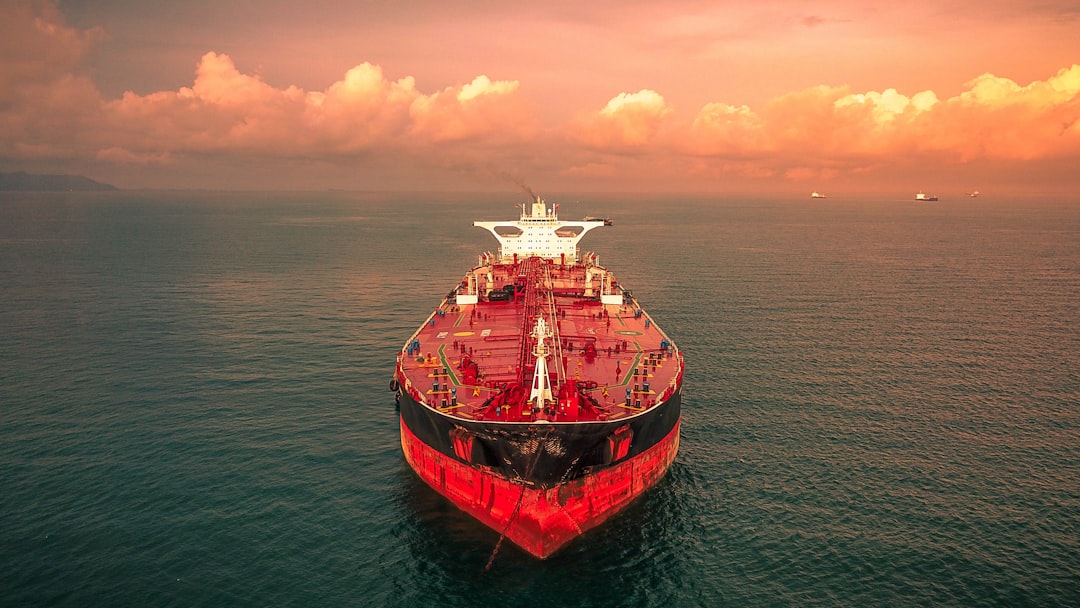
The Situation in Hormuz
Barstad emphasized that with an agreement to enhance maritime security between the U.S. and Iran, traffic could rise significantly, although it may not return to prewar levels where up to 140 vessels crossed the strait each day. Frontline, which operates 80 tankers globally, has five vessels stranded in the Persian Gulf, highlighting the immediate impact of the current geopolitical climate.
Despite the hopeful outlook, the CEO cautioned that uncertainty remains prevalent, citing fluctuating threats from U.S. officials towards Iran. Recent escalations, like President Trump’s canceled military action against Iran, illustrate the unpredictable nature of the situation, which has kept shippers cautious and waiting for clearer signals regarding the reopening of Hormuz.

Market Dynamics and Shipping Strategies
Some shipping firms have reportedly begun positioning their tankers close to the Gulf to capitalize on an eventual reopening, akin to holding call options on anticipated market movements. Barstad noted that while Frontline has not specifically positioned for this scenario, such strategies are prevalent among various players considering their commercial interests.
However, significant barriers remain that could complicate any immediate increases in oil exports from the Gulf countries. The tanker fleet has been dispersed globally to maintain supply routes, which may hinder rapid replenishment of prewar production levels. Saudi Aramco’s CEO, Amin Nasser, previously indicated that logistical challenges related to repositioning tankers could be a primary obstacle to reinstating normal flow levels through Hormuz.
The Operational Read
The implications of a potential agreement between the U.S. and Iran extend beyond immediate shipping traffic increases; they affect the operational landscape for tanker operators, charterers, and crew management. Shipping companies must navigate both the strategic positioning of vessels and the high freight rates set to result from increased demand. As the market watches for diplomatic developments, operators may need to prepare for swift changes, balancing fleets between current holds in the Gulf and anticipated trade routes from the Americas directly to Asia. With storage capacities at Gulf states nearing full, the urgency to re-establish oil flows is evident. However, operational realities such as vessel repositioning and geopolitical volatility will require close monitoring and adaptability from all stakeholders involved.