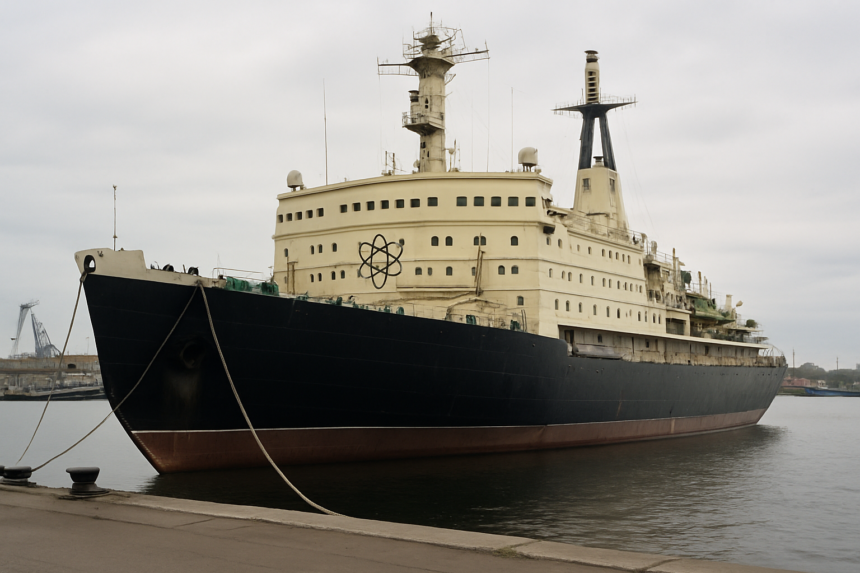
A recent joint study commissioned by leading maritime entities, including Lloyd’s Register and A.P. Moller – Maersk, posits that the Port of Rotterdam could serve as a viable model for assessing nuclear-powered commercial ship calls. The initiative, titled “Enabling Nuclear-Powered Feeder Ships: A Joint Development Project on Port Call Feasibility and Regulatory Pathways,” highlights the importance of existing port safety frameworks as a foundation for evaluating nuclear propulsion in major European ports.
Assessment Framework
The study indicates that the current safety and risk-management frameworks in place at European ports may be suitable for integrating nuclear power into maritime operations. The research identifies necessary steps for regulators and the industry, focusing on nuclear-specific safety, security, and operational considerations. It emphasizes that with structured and responsible planning, European ports can begin to cater to the unique demands of nuclear-powered vessels.
Regulatory Challenges
To initiate routine operations for nuclear vessels, the study outlines essential work on regulatory alignment and governance. This includes the integration of maritime safety regimes with nuclear safety protocols, as well as the need for enhanced emergency preparedness and liability considerations. Importantly, the study calls for increased public engagement to address apprehensions surrounding nuclear propulsion technologies.

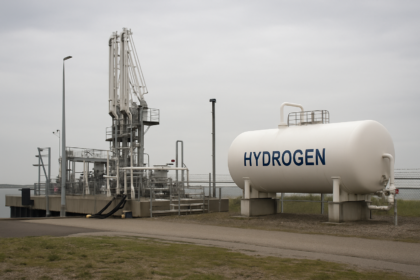
As maritime decarbonization efforts intensify, the report argues for broadening the discussion to include alternatives beyond traditional fuels. Notably, while hydrogen, ammonia, and e-fuels garner significant attention, the study posits that certain shipping sectors may ultimately require high-density, zero-emission propulsion systems that emphasize endurance, reliability, and operational flexibility.
Industry Implications
The Port of Rotterdam was selected as a case study due to its position as a significant European port, allowing for real-world evaluation of how emerging energy technologies could function within established port operations and safety structures. As the industry grapples with pressing decarbonization objectives, the findings of this study suggest an evolving hypothesis regarding the role of nuclear power in the future of commercial shipping.
Why It Matters
The exploration of nuclear propulsion in the shipping industry represents a pivotal step towards meeting EU decarbonization targets while maintaining operational reliability. With increasing regulatory pressure for zero-emission technologies, traditional maritime stakeholders must adapt to consider a spectrum of solutions. The integration of nuclear energy could transform the operational landscape, urging operators, charterers, and regulators to prepare for a future where nuclear-powered vessels might become commonplace. Continuous dialogue among stakeholders will be critical in addressing public concerns and ensuring safe implementation alongside existing maritime frameworks.