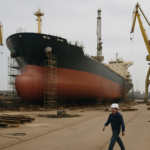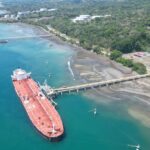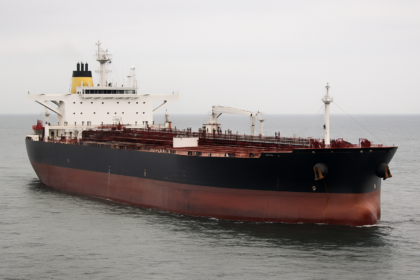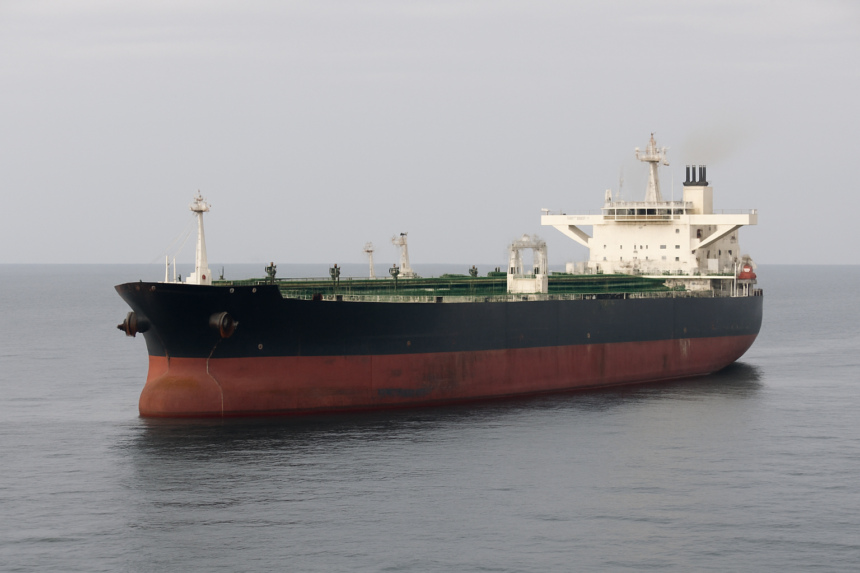
Shipowners are witnessing a historic surge in supertanker orders, with 262 vessels currently on order, each with the capacity to transport 2 million barrels of crude oil. This significant order volume has surpassed the previous peak seen in October 2008, as reported by Clarkson Research Services Ltd., a prominent shipbroking firm. The current orders could theoretically accommodate the entirety of the United States’ crude oil-export program.
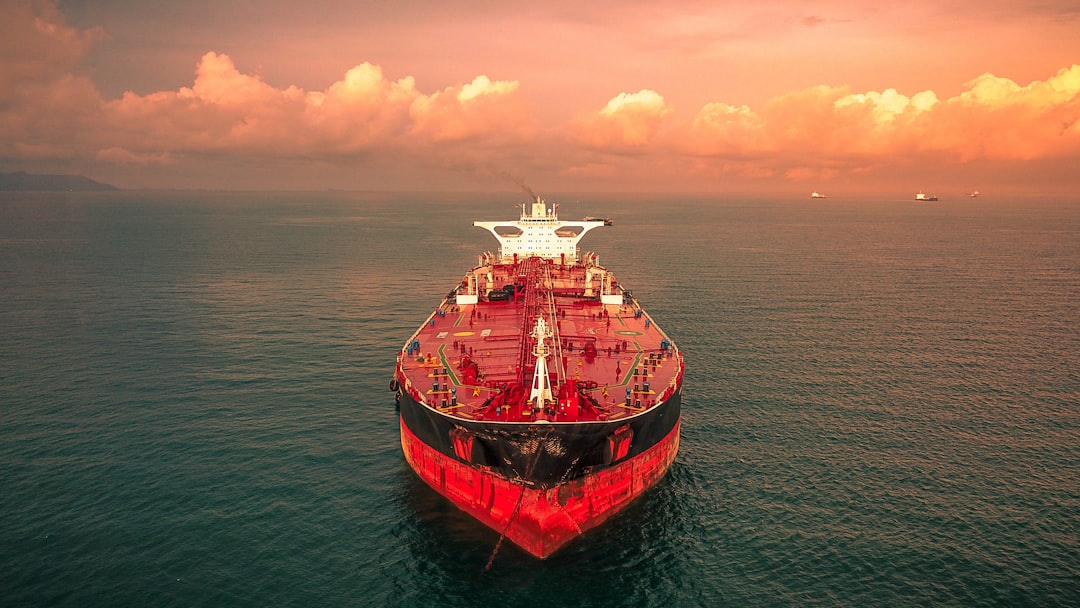
The Current Market Landscape
The ongoing geopolitical strife, particularly the Iran conflict, has dramatically impacted tanker rates, which have doubled from pre-conflict levels and sometimes reached unprecedented highs of several hundred thousand dollars per day. However, the blockage of the Strait of Hormuz has simultaneously restricted cargo flows, raising concerns about potential long-term earnings impacts if current trends persist. George Economou, founder of TMS Group, noted that while the situation is better than in the previous boom period from 2004 to 2008, continued volatility could be detrimental to tanker operators.
Moreover, the market capitalization of 15 of the largest publicly traded tanker companies has exceeded $60 billion at certain times during the conflict, revealing significant financial growth compared to earlier in the year. A substantial contributor to this activity is a South Korean shipowner, supported by MSC Mediterranean Shipping Company, which has been acquiring tankers at high valuations, thereby altering the dynamics within the sector.

Implications for the Industry
The burgeoning orders have brought renewed attention to the aging fleet, with the average age of supertankers at its highest level since 1998. This trend emphasizes the necessity for newbuild orders, especially with many vessels facing sanctions. The current volume of new orders is equivalent to over a quarter of the existing supertanker fleet, a statistic that, while noteworthy, pales in comparison to the whole market’s saturation. Industry participants have drawn parallels between the current sentiment at forums like the recent Posidonia gathering and that of 2008.
Beyond the tanker sector, the overall shipping industry is experiencing its highest level of new vessel orders in 14 years, further highlighting an active market. Notably, second-hand prices for ships aged around ten years have surged to roughly $115 million, marking the highest valuation since 2008.
Behind the Headline
The record-breaking newbuild orders in the supertanker sector occur against a backdrop of fluctuating market conditions, where rising rates due to geopolitical tensions have incentivized investment. While this boom might seem beneficial in the short term, the potential for oversupply remains a critical concern among operators and investors. The historical context of previous market cycles suggests caution; high orders often lead to a subsequent glut and falling rates. As such, stakeholders should closely monitor economic indicators and geopolitical developments that may influence crude oil demand and rates, positioning themselves strategically to mitigate risks associated with a rapidly changing maritime landscape.