Update 05 Jun 2026, 18:34 UTC:
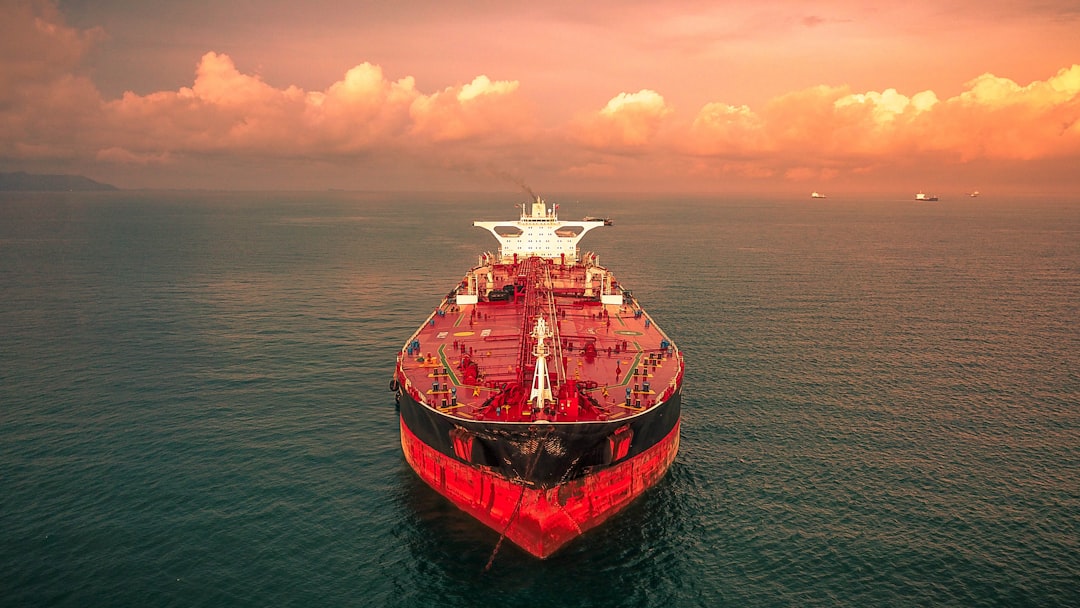
U.S. forces have boarded the sanctioned tanker MT Davina in the Indian Ocean, marking a significant development in Washington’s maritime enforcement operations targeting vessels accused of facilitating Iran’s oil trade. The operation, conducted overnight, underscores the expansion of U.S. enforcement efforts into areas previously not as heavily monitored.
Details of the Operation
The Department of War stated that the boarding was part of a right-of-visit operation conducted under the Indo-Pacific Command area of responsibility. Although no specifics have been provided about the tanker’s cargo or crew, the MT Davina has been recognized in previous reports as part of Iran’s “shadow fleet,” engaged in transporting crude oil to international buyers.

This enforcement action follows a series of increasing U.S. military operations designed to disrupt Iran’s energy exports. Only days earlier, the sanctioned tanker Lexie was disabled after allegedly ignoring U.S. warnings while en route to Kharg Island, Iran’s main oil export terminal. Such actions illustrate the U.S. commitment to upholding sanctions and preventing the circumvention of international law governing maritime navigation.
Implications for Maritime Trade
The continued expansion of U.S. maritime operations into the Indian Ocean indicates a strategic adjustment to enhance enforcement capabilities against Iran’s illicit oil transport networks. The U.S. Central Command revealed that a total of 129 commercial vessels have been redirected since the initiation of these enforcement strategies, with six vessels disabled. This growing operational presence can potentially alter trade routes and increase compliance costs for operators involved in maritime commerce in these regions.
Furthermore, the U.S. Treasury Department has introduced new sanctions under its “Economic Fury” initiative, targeting a network suspected of disguising Iranian liquefied petroleum gas exports. This network is alleged to use front companies based in the UAE and China, which complicates efforts to track and halt illicit trade. As these sanctions expand, the economic impact on Iran could be exacerbated, further destabilizing its access to global markets.
The Operational Read
The operations conducted by the U.S. reflect a broader trend of intensified scrutiny on vessels related to Iran’s energy sector, highlighting the operational challenges for shipping companies navigating trade routes within the Indian Ocean. These developments necessitate heightened risk assessments by maritime operators regarding compliance with U.S. sanctions and the potential for detentions. Operators must also consider alternative shipping routes and enhanced maritime security measures to mitigate risks associated with escalating enforcement activities. The evolving geopolitical landscape will likely lead to increased vigilance among vessel crews and charterers as they adapt to these operational realities.