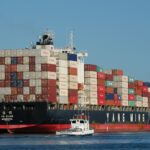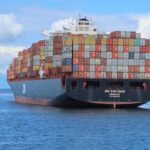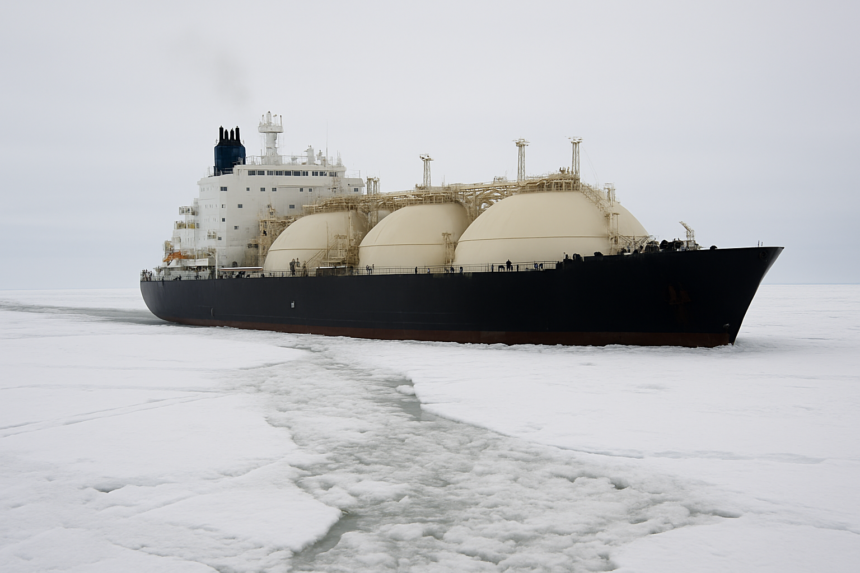
Fayard Shipyard in Odense, Denmark, continues to serve as a crucial maintenance hub for Russia’s Yamal LNG fleet, with estimates suggesting that up to six Arc7 icebreaking LNG carriers may require dry dock services this year. This comes amid tightening European sanctions that have seen other Western shipyards withdraw from servicing Russian vessels.
The Importance of the Arc7 Fleet
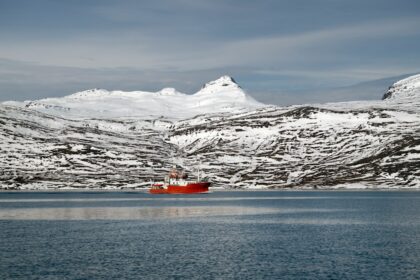
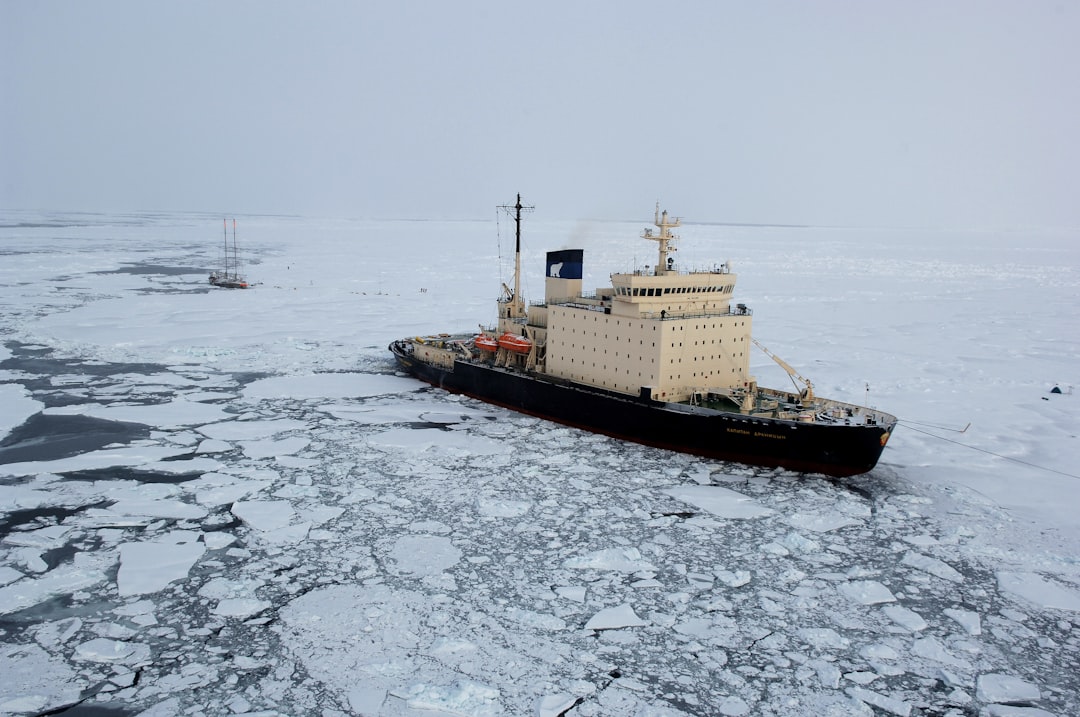
The Arc7 fleet comprises 15 specially designed icebreaking carriers that facilitate the export of LNG from Russia’s Yamal Peninsula to European markets. Since the onset of Russia’s full-scale invasion of Ukraine, these vessels have relied heavily on European shipyards for maintenance, a situation that has raised considerable political scrutiny. According to Urgewald, a German advocacy group, the potential servicing of these vessels at Fayard could prolong Russia’s Arctic LNG exports, thereby sending significant revenues back to the Kremlin.
Fayard’s role has become even more pivotal following the withdrawal of Damen Shiprepair Brest, which has halted work on Russian LNG carriers, leaving Fayard as the sole European shipyard operating within this segment. Alexander Kirk from Urgewald has criticized this continuing relationship, arguing that servicing these vessels is far from routine and urges Fayard to cease operations in alignment with international sanctions.

Regulatory Landscape
The current EU regulations do permit Yamal LNG deliveries to Europe until 2027 but will lead to comprehensive restrictions on maritime services for Russian vessels beginning January 1, 2027. Fayard contends that its activities are compliant with existing policies, focusing on maritime safety and operational continuity for LNG exports.
In the wake of impending sanctions, Western operators of the Arc7 fleet, including Glasgow-based Seapeak Maritime and Greek shipping company Dynagas, may need to reconsider their strategic positions. With EU imports of Russian LNG expected to diminish, the financial incentives for maintaining these vessels under current ownership structures may decline. This raises critical questions about potential divestment or restructuring efforts to sidestep sanction implications.
Future Challenges
As the operational landscape evolves, operators are likely to face tough decisions regarding the future of the Arc7 vessels. They may consider transferring ownership to non-EU interests or restructuring their operational management to align better with shifting regulations and sanctions. The strategic options available will play a significant role in shaping the Yamal LNG project’s viability beyond the projected timeline of sanction enforcement.
Behind the Headline
The ongoing servicing of Yamal LNG’s Arc7 carriers at Fayard underscores a broader strategic dilemma facing Western maritime operators amid tightening sanctions. The successful maintenance of this specialized fleet is critical for sustaining operations, but it also places them at the center of geopolitical tensions influenced by EU policies. Operators will need to navigate these complexities carefully as they determine the fleet’s future at a time when traditional avenues for support are being restricted. Monitoring changes in sanctions and operators’ responses to these pressures will be essential for understanding the navigational paths they may choose moving forward.