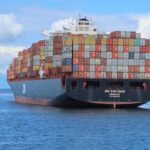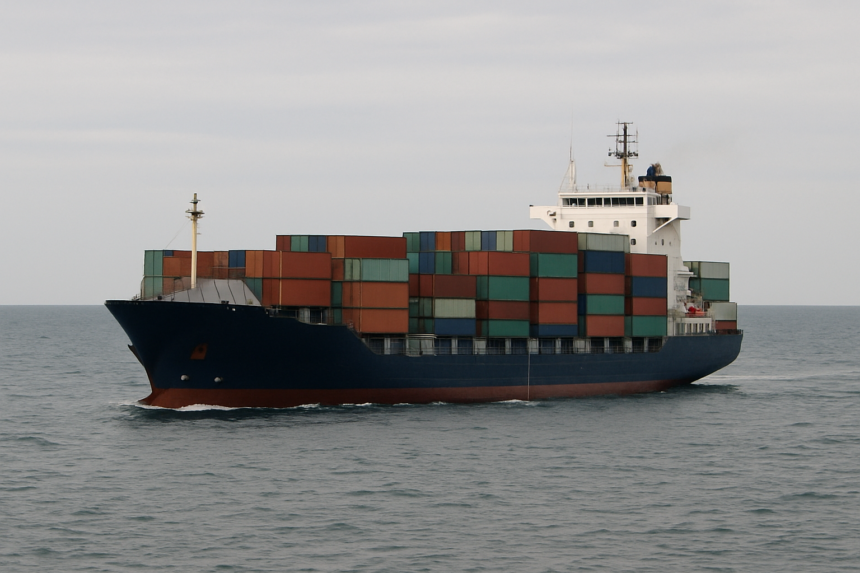
Australia has officially selected the ANL Kokoda as the inaugural vessel in its Strategic Fleet Pilot Program, marking a significant advancement in the government’s mission to enhance the nation’s sovereign shipping capacity. This decision aligns with growing concerns regarding supply chain resilience and national security, particularly in light of recent global disruptions.
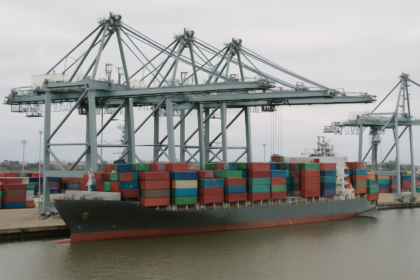
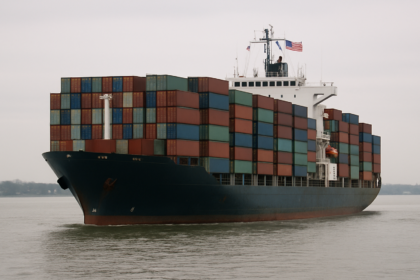
ANL Kokoda, a 2011-built geared cargo ship, is set to be registered under the Australian flag and crewed domestically, providing assurance of availability during emergencies, such as natural disasters and supply chain interruptions. This vessel, measuring 175 meters in length and possessing a deadweight capacity of 23,000 tons, is primarily configured for containerized cargo but also offers breakbulk capabilities—enabling operations independent of shore-based facilities.
Background of the Strategic Fleet Program
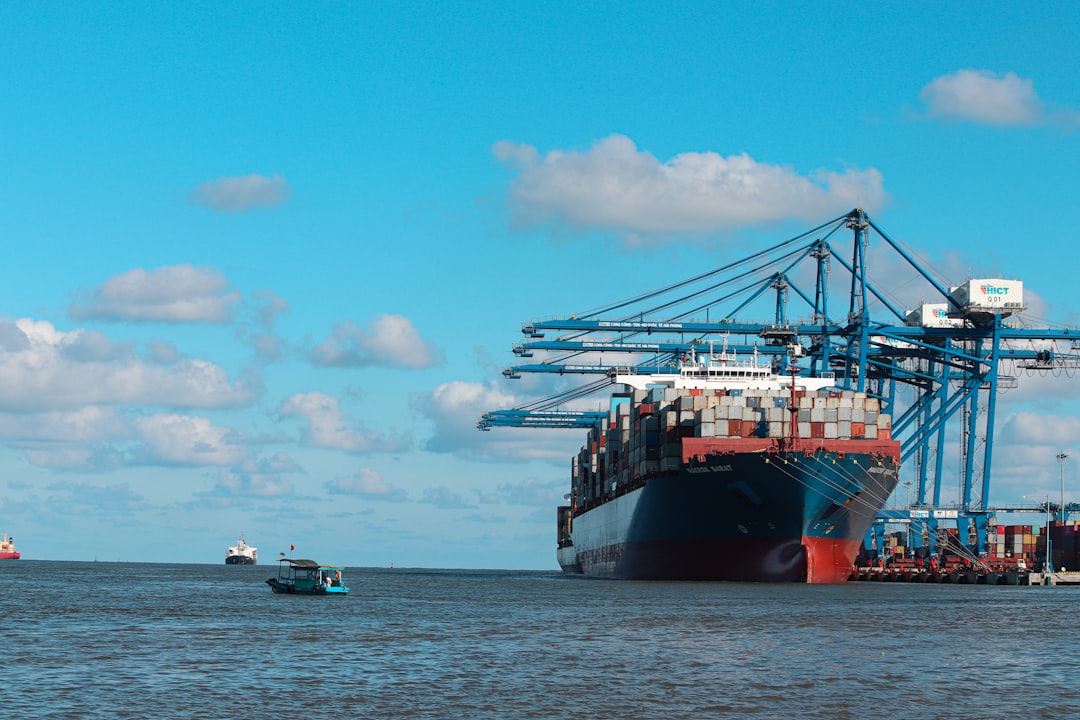
The establishment of Australia’s Strategic Fleet draws from recommendations by the Strategic Fleet Taskforce, which underscored the necessity of reinvigorating the nation’s maritime assets to bolster economic stability and security amidst escalating global tensions. The pilot program aims to secure government access to Australian-controlled commercial vessels designed to operate in crises, thereby supporting domestic maritime skill development and enhancing employment opportunities.

The Australian government has committed funding to launch the program, initially targeting the acquisition of three vessels, with intentions to expand the fleet as it evolves. This move has been met with a positive response from local industry stakeholders, including ANL’s Managing Director Esra Bora, who emphasized the vital role of maritime capability in securing Australia’s economic future and trade integrity.
Implications for the Maritime Sector
The Strategic Fleet initiative is part of a broader governmental push to reestablish an autonomous and resilient maritime sector, which is essential in navigating current geopolitical landscapes. Alongside the fleet program, Australia is undertaking measures to address workforce development issues, reinforcing laws against wage theft by foreign-flagged vessels, and examining critical legislation, including the Coastal Trading Act and the Shipping Registration Act.
Despite the modest scale of Australia’s initiative compared to state-supported fleets in other nations, it represents a pivotal effort in decades aimed at restoring a sovereign commercial shipping capability. This strategic foresight highlights the importance of maintaining a robust merchant fleet, especially as international supply chains continue to face volatility.
Why It Matters
The revitalization of Australia’s Strategic Fleet signifies a crucial step towards ensuring national maritime independence. Operators and crews will benefit from enhanced training and employment opportunities stemming from the program’s objectives. For charterers and shipping entities, the assurance of government-backed vessels during crises may improve operational reliability and strategic planning. The focus on domestic maritime capability and regulatory reforms will likely reshape the competitive landscape of Australia’s shipping sector, warranting close attention to future developments.