Update 11 Nov 2026, 02:32 UTC:
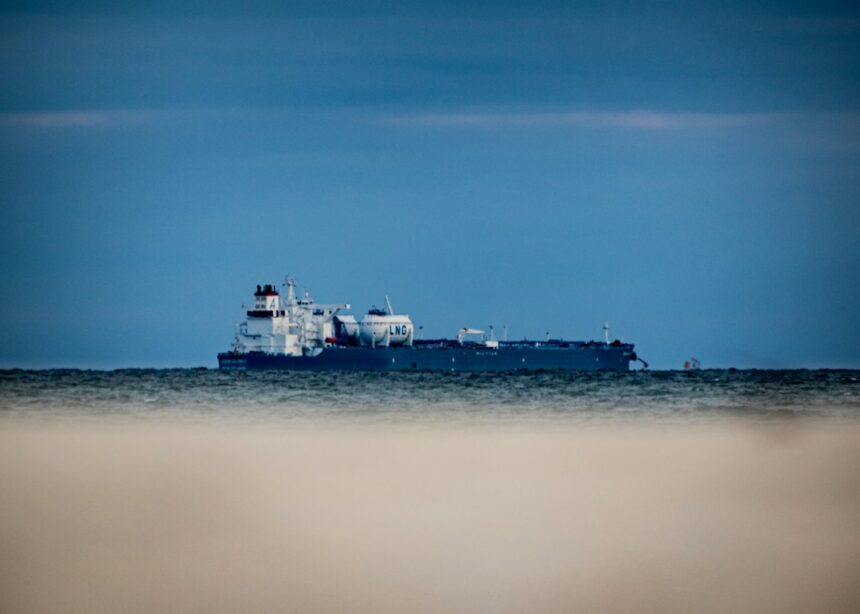
The Malta-flagged tanker Agioi Fanendes has halted off the U.S. East Coast as questions surrounding the legality of its discharge of Russian diesel emerge. Loaded with 40,000 metric tons of ultra-low sulfur diesel from Primorsk, the vessel was initially bound for New York, but subsequent warnings from U.S. lawmakers have left its fate uncertain.
U.S. Energy Secretary Chris Wright stated on Tuesday that he remains confident the diesel will eventually be sold in global markets, despite the vessel’s current position. He emphasized that the primary goal is to ensure that diesel imports reach the market, even if the Agioi Fanendes does not find a port of discharge in the U.S.


Legal Concerns and Market Forecast
New Jersey officials, including Democratic Governor Mikie Sherrill, have cautioned against the acceptance of Russian diesel at local ports, warning of potential civil and criminal penalties under U.S. law banning energy imports from Russia due to its ongoing aggression against Ukraine. This legal framework puts pressure on terminal operators and shipping companies considering accepting the cargo.
Furthermore, the tanker’s management company, Eastmed, confirmed that the Agioi Fanendes is awaiting further orders, indicating that delivery plans may still be subject to change. With the vessel’s speed significantly reduced to around 2 knots, analysts suggest this slower pace might indicate it does not yet have a specific buyer or discharge plan.
Implications for the Shipping Industry
President Trump’s recent agreement to allow 300,000 tons of Russian diesel imports, part of a larger strategy to lower fuel prices ahead of the midterm elections, complicates the situation. This deal contrasts sharply with previous restrictions imposed by former President Biden, highlighting the contentious political landscape surrounding energy imports. Meanwhile, other tankers that initially aimed for the U.S. have also re-evaluated their routes in light of this evolving situation.
Behind the Headline
The current status of the Agioi Fanendes illustrates the complexities operators face amid fluctuating legal and market frameworks regarding Russian energy imports. The potential penalties for non-compliance with U.S. import bans add a layer of risk for shipping companies and port operators. The shipping industry should closely monitor any further developments regarding U.S. policy and market demands, particularly as geopolitical tensions evolve, influencing buyer confidence and operational routes.