Update 27 Oct 2026, 00:32 UTC:
October has been marked by a record number of attacks on merchant vessels in and around the Strait of Hormuz, raising pressing questions about the safety protocols in place for these ships amidst escalating military tensions. As of 23 October, data from the Washington Institute for Near East Policy indicates that there have been 28 confirmed and reported attacks this month alone, a significant spike in maritime violence that underscores the precarious situation for shipping operations in the region.
The Scope of the Attacks
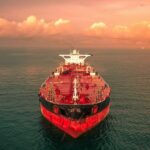
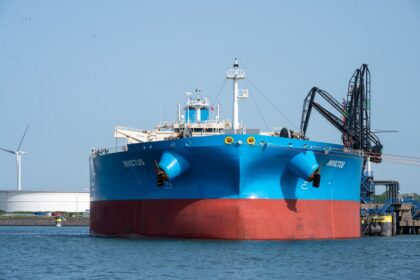
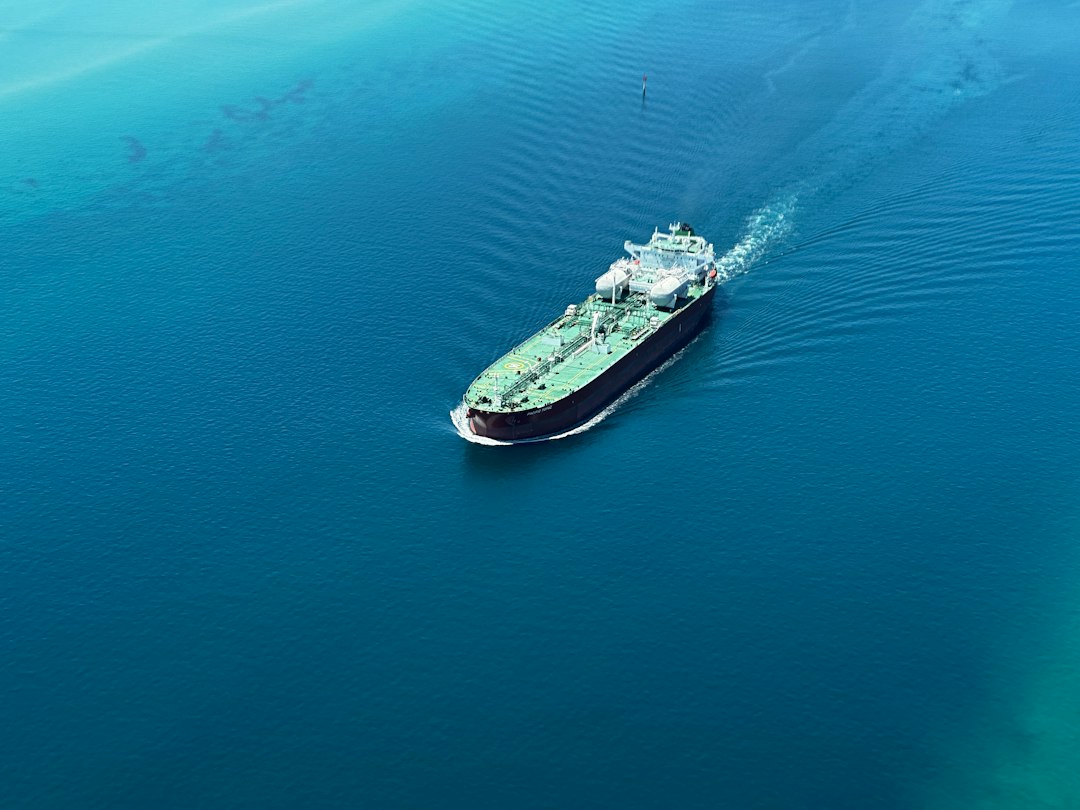
Throughout the ongoing conflict that began with the US-Israeli war with Iran on 28 February, more than 113 incidents have been logged by the Washington Institute, with the IMO reporting around 120 incidents and UKMPTO tracking 135 by mid-October. These incidents have severely impacted the Very Large Crude Carrier (VLCC) fleet, with over 30 such vessels damaged, including at least 11 in October. This damage constitutes approximately 3.5% of the global VLCC fleet, indicative of the increased risk faced by shipping operators in the Gulf region.

Environmental Concerns and Human Cost
The repercussions of these attacks extend beyond immediate maritime safety to include significant environmental harm. Following a suspected drone attack on the tanker Gem No.2, confirmed oil leaks have been reported off the coast of Umm Al Quwain. This has resulted in the closure of multiple beaches in the UAE as authorities work to contain the pollution. The human cost is equally alarming, with at least 22 seafarers confirmed dead in verified attacks since the conflict began, along with additional casualties from other ongoing maritime incidents.
Commercial pressures remain high, as evidenced by daily freight rates surpassing $1 million, which continue to draw vessels into the volatile area despite the escalating risks. On 18 October, only four vessels transited the Strait of Hormuz, in stark contrast to a pre-war average of around 85 per day, highlighting the severe impact of the conflict on maritime operations.
The Operational Read
The current situation in the Strait of Hormuz necessitates a critical evaluation of maritime safety protocols for vessels operating in high-risk environments. Operators must adapt to the increasing threat of attacks while ensuring compliance with operational safety standards. This may involve enhanced security measures, such as risk assessments for transits, improved crew training in emergency response, and possibly re-routing to mitigate exposure to hostile actions. As environmental damage emerges from these attacks, the industry must also grapple with the implications of both operational and ecological sustainability, which could reshape shipping practices and policies in the region in the future.