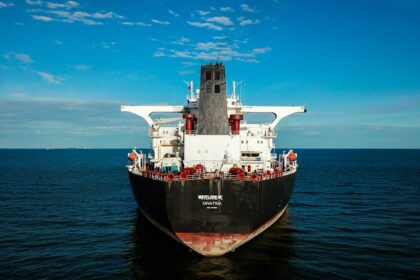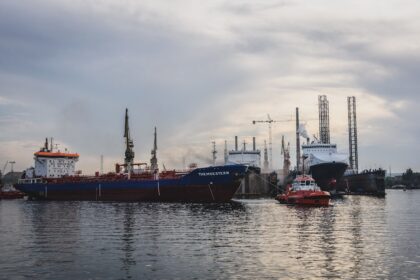
Chinese shipbuilders are projected to significantly ramp up their outputs, with expectations to deliver more than three times the current volume of bulk carrier and tanker tonnage by 2028. According to recent analysis from Banchero Costa, shipyards in China are contracted to deliver approximately 92.7 million deadweight tons (dwt) of these vessels, a stark increase over the relatively modest figures seen last year.
Delivery Projections
The anticipated delivery of 92.7 million dwt marks a critical moment for the Chinese shipbuilding industry, already facing scrutiny over its ability to manage a record orderbook. Given the strategic importance of bulk carriers and tankers in global trade, this surge in deliveries is vital not only for meeting international demand but also for sustaining the operational integrity of shipping companies relying on these vessels.

Challenges Ahead
This ambitious target raises multiple logistical and operational challenges. With the shipbuilding sector already confronting a backdrop of fluctuating steel prices and supply chain disruptions, the ability to adhere to such aggressive timelines is under question. Furthermore, shipbuilders must balance increasing production with quality control, ensuring that vessels meet regulatory standards and environmental guidelines, especially as the industry pivots towards more environmentally friendly designs.


Industry Considerations
The forthcoming increase in deliveries could intensify competition among shipyards globally. As Chinese yards work to fulfill their contracts, other shipbuilding nations may seek to innovate or enhance their offerings to capture market share. There is also the risk of market saturation if delivery timelines do not align with changes in vessel demand, potentially leading to economic implications for the shipping sector.
Behind the Headline
The ambitious forecast for Chinese shipbuilders underscores the operational complexities within the maritime industry. For operators and freight companies, this shift may represent a dual-edged sword; while increased capacity could alleviate some shipping delays, it may also create a saturated market that pressures freight rates. Stakeholders will need to monitor vessel demand closely alongside the timely delivery of new ships, as supply chain efficiencies and production capabilities will be pivotal in navigating these upcoming changes in the maritime landscape.