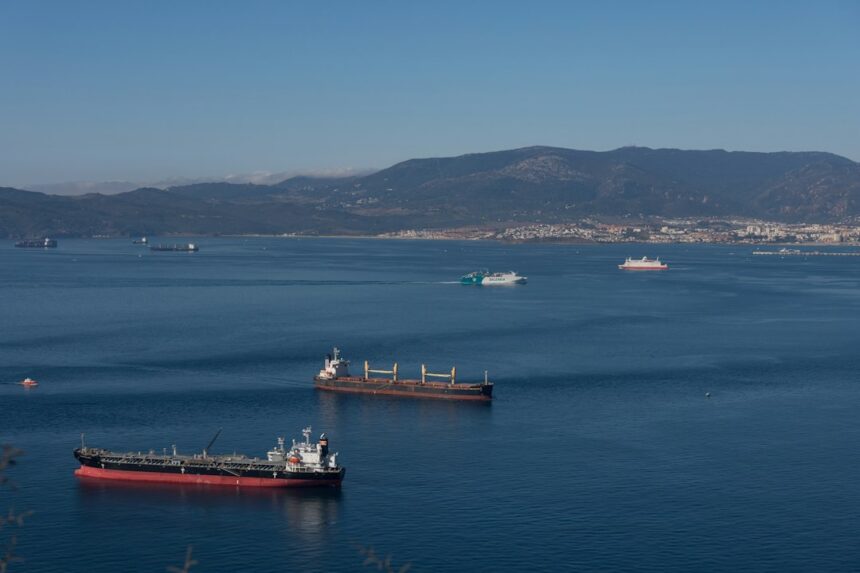
Abu Dhabi has enacted significant restrictions on tanker movements in response to escalating security concerns affecting its oil and gas export facilities. This initiative, announced by the Abu Dhabi National Oil Company (ADNOC) through its Petroleum Ports Authority, aims to bolster the protection of critical maritime infrastructure against growing risks to commercial shipping.
Details of the Restrictions
The recently issued directive prohibits vessels carrying various cargo types, including crude oil, petroleum products, liquefied gases, and chemicals, from navigating near key export facilities. This broader precautionary measure indicates the heightened alert level due to recent incidents affecting shipping routes in the Gulf region.
Operational Implications
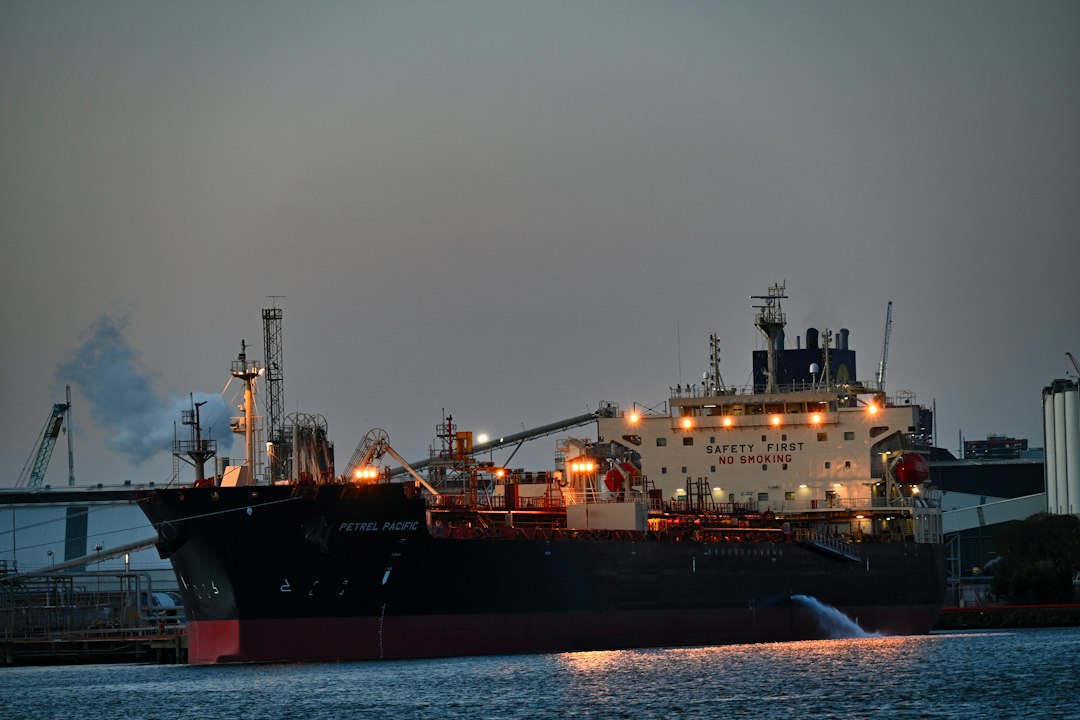
Shipping operators should prepare for potential disruptions, including modifications to existing routes and possible delays in shipping schedules. The restrictions may necessitate the recalibration of logistics plans, particularly for those relying on the transport of large volumes of hydrocarbons and other sensitive cargo through Abu Dhabi’s ports.

The Gulf has recently experienced a rise in threats against commercial vessels, prompting regional authorities to enhance security protocols significantly. Stakeholders across the industry are advised to remain vigilant and responsive to evolving threats, which may impact shipping operations in one of the world’s most vital maritime corridors.
Behind the Headline
These measures reflect a critical response to the complex security landscape in the Gulf, where shipping operations face increased risks from regional tensions. For operators, understanding the implications of such restrictions is vital; routes may need to be altered, potentially leading to increased costs and extended transit times. The ability to adapt swiftly to changing regulations will be essential for maintaining operational efficiency. As geopolitical dynamics unfold, it is prudent for companies to enhance their risk management strategies and continue monitoring the situation closely to anticipate further developments that could impact maritime operations.