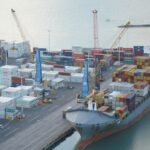
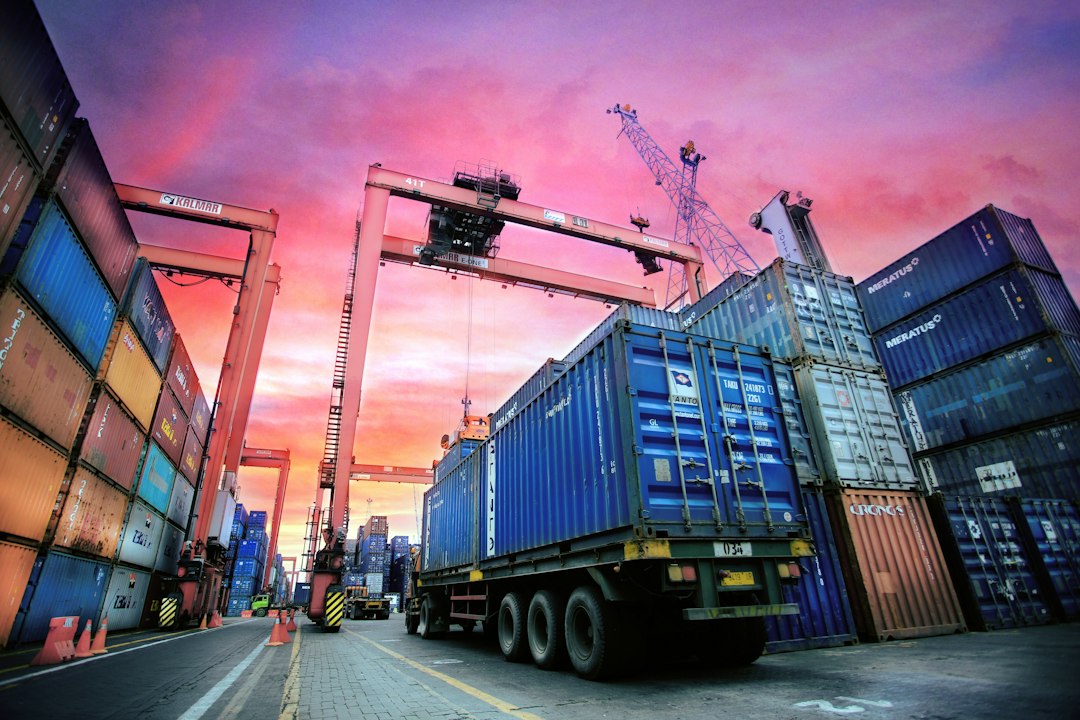
Pacific International Lines (PIL) and Qingdao Port Group have successfully completed China’s first Liquefied Bio-Methane (LBM) bunkering operation for international shipping. The milestone was achieved uniting technological advancements in maritime fuel with sustainability efforts. PIL’s vessel, Kota Odyssey, which runs on dual LNG fuel, received LBM through a truck-to-ship operation at Qingdao Port’s QQCTN terminal, marking a significant achievement in green shipping.
About the Bunkering Operation
This initial LBM bunkering is the first undertaken for an internationally-trading vessel in China, showcasing Qingdao Port’s capabilities in supplying green LNG molecules. Notably, this operation aligns with PIL’s broader strategy to incorporate sustainable solutions into its operational framework. The LBM utilized is certified by the International Sustainability and Carbon Certification (ISCC), signifying its renewable origins from organic feedstocks, which contribute to significant reductions in carbon emissions.
Environmental MaImpactpact
The LBM is projected to achieve over a 70% reduction in carbon emissions when compared to conventional fossil fuels and approximately 70% reduction in greenhouse gas emissions against traditional LNG. This first phase of bunkering does not require any modifications to existing machinery systems on the dual-fuel vessels, allowing for seamless integration of biofuels into PIL’s operations.

Future Prospects for Green Shipping
Abhishek Chawla, Chief Marine Officer of PIL, expressed satisfaction in achieving this milestone in collaboration with Qingdao Port Group. He emphasized the scalability of their fleet renewal program, highlighting their order of 28 newbuild LNG dual-fuel vessels since 2022, each strategically designed to enable the introduction of lower-carbon fuels like LBM. Additionally, Yijie Zhang, Head of the Energy Business Department at Qingdao Port, noted that this service marks a significant step in China’s transition to green shipping. Together, PIL and Qingdao Port aim to enhance the variety of renewable fuel options available to international shipping.
Behind the Headline
This historic LBM bunkering signifies a pivotal shift in China’s maritime landscape, steering it toward a more sustainable future. For operators, this development highlights the importance of integrating renewable fuel options amidst increasingly stringent regulations on emissions. The capability to utilize biofuels using existing infrastructure not only supports environmental goals but also enhances operational flexibility for shipping lines. Industry stakeholders should monitor advancements in green fuel infrastructure and continue exploring collaborative efforts in maritime decarbonisation.