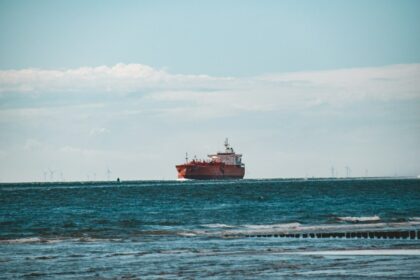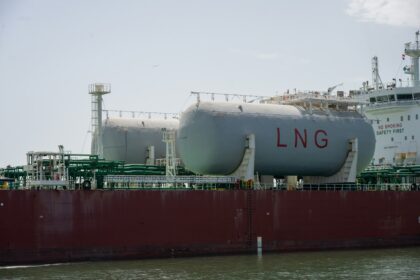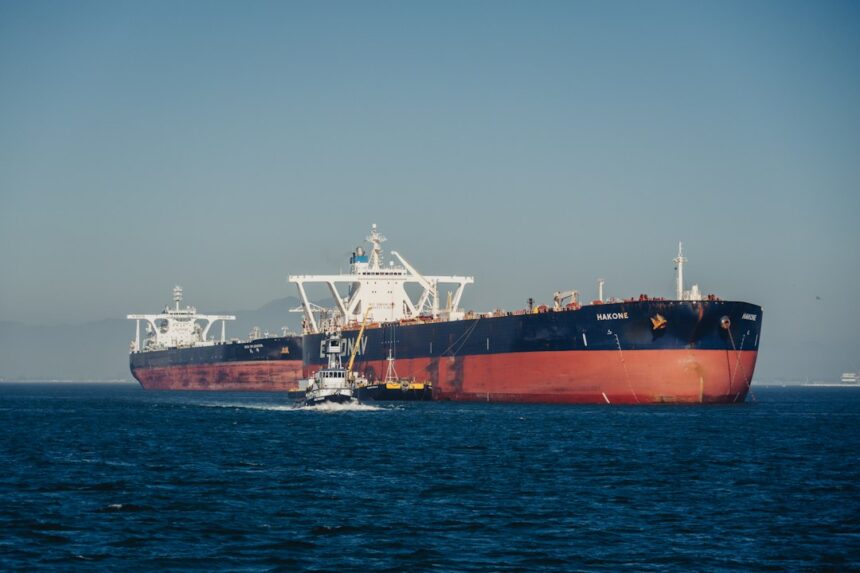
The flow of oil from the Persian Gulf faces potential disruptions as the number of empty tankers available to collect Middle Eastern crude declines significantly. According to Tankertrackers.com, the collective capacity of vacant Very Large Crude Carriers (VLCCs) and Suezmax tankers sailing to the region has fallen by approximately 40% since the end of August, raising concerns about the region’s ability to maintain oil exports.
Current Shipping Dynamics
The decrease in empty tankers coincides with heightened tensions in the region, particularly surrounding the Strait of Hormuz, a critical chokepoint for oil transit. The Iran conflict has prompted many operators to avoid this passage, opting instead to receive crude cargoes in safer locations like the Gulf of Oman. Samir Madani, co-founder of Tankertrackers.com, noted that while oil can be brought out into the Gulf of Oman, the vessels needed to transport the oil from there are lacking.
As a result, the discussion surrounding how much oil is leaving the Middle East is partly dependent on the steady arrival of ships to collect these cargoes. The current market conditions illustrate an intricate balance: while shipments are ongoing due to high ship-to-ship transfer activity, overall export levels from the region have shown a decline this month. The causes of this decrease remain uncertain, creating further speculative pressure on market dynamics.

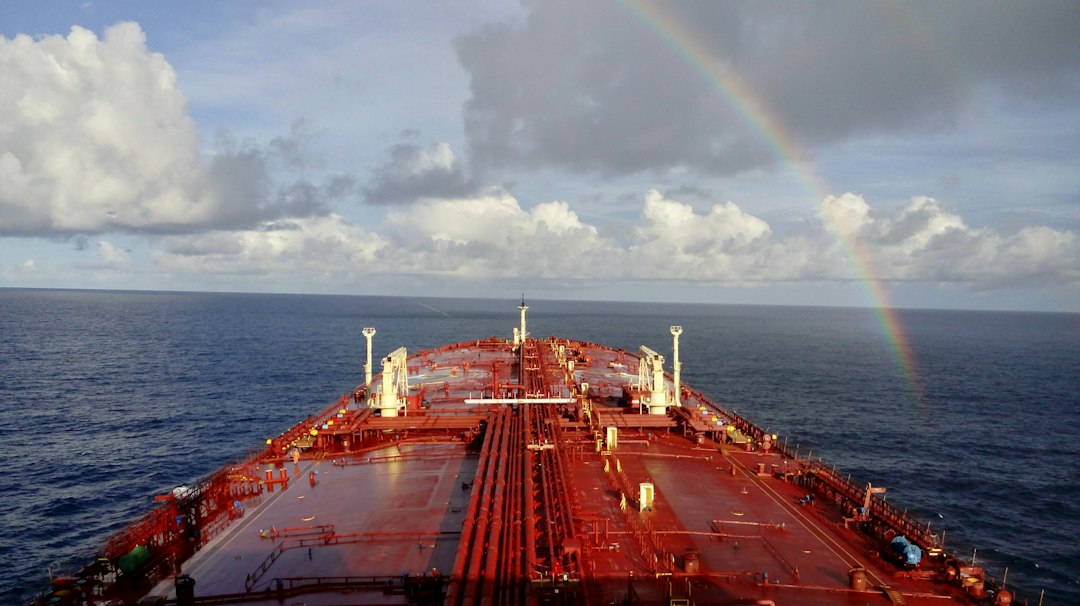
Implications for Market Rates
Currently, oil tanker rates have receded from record levels seen earlier this year, providing some relief in shipping costs for operators. However, if the shortage of empty vessels persists, it could place upward pressure on shipping rates once again. The ongoing incidents of aggression against shipping in the region, which have reportedly increased in number according to data from the International Maritime Organization and the UK Maritime Trade Operations Centre, add an additional layer of complexity for shipping operators navigating these waters.
Behind the Headline
The operational reality for tanker operators reveals deep-seated challenges amid geopolitical instability. The decline in empty tanker availability underscores the critical role of shipping logistics in sustaining oil flows from the Gulf. As tensions rise and ship availability fluctuates, operators may need to adapt quickly, employing alternative routing strategies and considering the potential implications for costs and service reliability. Notably, the ongoing conflict has fostered a volatile environment in which the frequency of shipping incidents can directly impact vessel supply and operational safety, posing further risks to the broader oil market.