Hapag-Lloyd has successfully acquired a 25% stake in APM Terminals Maasvlakte II, a significant investment paving the way for enhanced operational capacity at one of Europe’s leading container terminals located in Rotterdam. Following the unconditional approval from antitrust authorities, this acquisition affirms Hapag-Lloyd’s commitment to strengthening its global terminal portfolio managed by its subsidiary, Hanseatic Global Terminals (HGT).
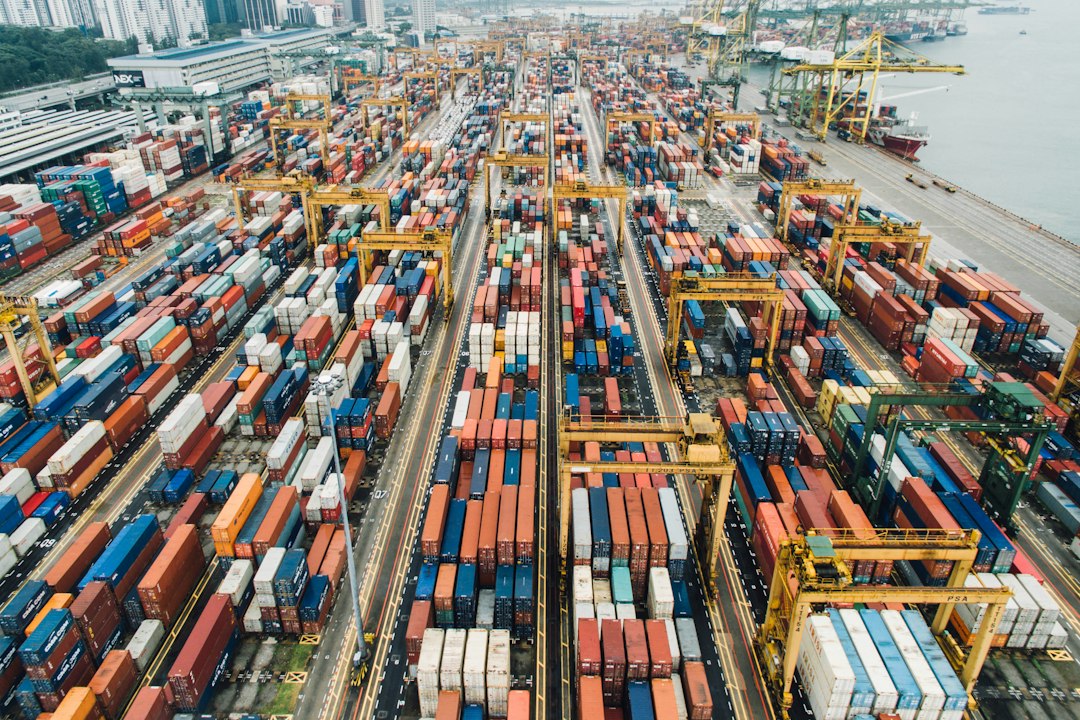
The partnership is set to bolster long-term access to handling capacity at the terminal, which is currently undergoing a major expansion. Improvements include the addition of new berths, expanded yard capacities, and further automation technologies. Upon completion of the expansion, APM Terminals Maasvlakte II is projected to handle approximately 5.4 million TEU annually, greatly enhancing Rotterdam’s strategic position as a major gateway in European trade.
Strategic Importance of the Terminal
The Maasvlakte II terminal plays a critical role in the Gemini Cooperation between Hapag-Lloyd and Maersk, enhancing service capabilities on one of Europe’s busiest shipping routes. According to Dheeraj Bhatia, CTIO of Hapag-Lloyd AG, the company’s partnership with APM Terminals is expected to support the terminal’s growth trajectory, creating long-term value for customers while reinforcing Rotterdam’s importance in global logistics.


Future Growth and Development
Established in 2023, Hanseatic Global Terminals operates under the Hapag-Lloyd Group’s umbrella, aimed at expanding its investment footprint in global terminal operations. The company’s long-term vision for 2030 includes expanding its portfolio to encompass approximately 30 terminal investments worldwide, aligning with anticipated growth in container shipping demands. Harold Kunst, Managing Director of APM Terminals Maasvlakte II, underscored the commitment to operating safely and efficiently to meet the evolving needs of shipping customers.
Behind the Headline
The acquisition of a stake in APM Terminals Maasvlakte II highlights the increasing significance of port infrastructure in maritime operations. As global shipping demands evolve, operators must ensure that terminal capabilities match the anticipated cargo volumes. This investment not only secures additional capacity for Hapag-Lloyd but also enhances operational reliability, which is critical in today’s competitive landscape. The focus on automation and capacity expansion at Maasvlakte II is especially pertinent, as it prepares the terminal to handle future surges in container traffic while supporting strategic alliances such as Gemini with Maersk.