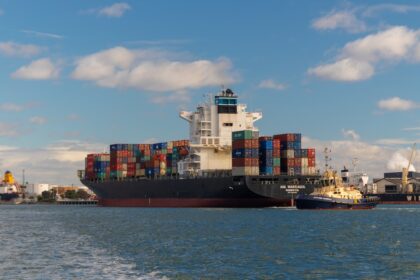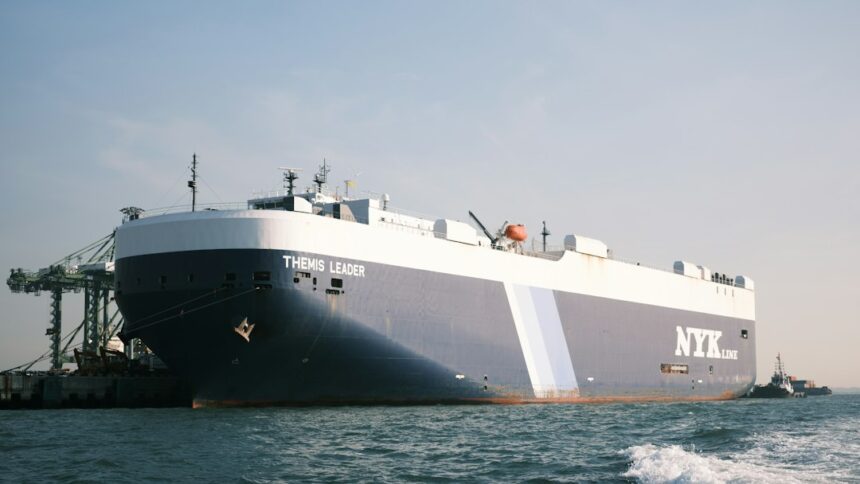
On Wednesday, November 11, 2026, the Baltic Dry Index, a key indicator of shipping costs for bulk commodities, saw a notable increase of 97 points, reaching a total of 2959 points. This rise signals a resurgence in demand for maritime transport of goods such as coal, grain, and iron ore, which can indicate economic recovery trends across multiple regions.
What is the Baltic Dry Index?
The Baltic Dry Index is compiled by the London-based Baltic Exchange and is derived from a daily survey of shipping agents worldwide. It plays a crucial role in measuring the cost of freight across a selection of bulk carrier vessels, providing insights into the dynamics of global shipping and commodity markets.
Historical Context
This latest uptick in the Index underscores the volatility and historical fluctuations of shipping prices. The index reached its highest point of 11,793 on May 20, 2008, prior to the global financial crisis, when demand for shipping services soared. Conversely, it plummeted to an all-time low of 290 points on February 10, 2016, highlighting the challenging market conditions and reduced global trade during that period.


Market Impact
The current rise in the Baltic Dry Index can be interpreted as a positive sign of growth in the maritime sector, potentially reflecting an increase in manufacturing and raw material demand. Shipping operators and charterers should take note, as changes in freight rates directly affect laytime calculations and overall shipping costs. Increasing trends in the index may also influence strategic decisions regarding vessel deployment and charter party negotiations.
Behind the Headline
The increase in the Baltic Dry Index suggests a growing recovery in the global economy, particularly within industries reliant on bulk shipping. For operators, this means potentially higher freight costs and greater consideration of demurrage implications. As demand continues to fluctuate, vessels may see variations in instant readiness for loading and unloading, impacting schedules and charter terms. Stakeholders are advised to watch for further developments in the index as it remains a harbinger of broader market conditions.