A looming strike at eight marine terminals in the ports of Los Angeles and Long Beach poses a potential disruption to operations, with the threat escalating as the expiration of the International Longshore and Warehouse Union (ILWU) Local 26’s labor agreement approaches on November 1. Local 26, representing maritime security personnel and watchmen, has communicated to fellow maritime unions regarding the possibility of industrial action amidst ongoing contract negotiations that have reportedly been unproductive since 2025.
The Background of the Dispute
In an October 23 letter, Local 26 President Luisa Gratz articulated the union’s grievances, citing the lack of substantial progress in discussions with the Pacific Maritime Association (PMA). Despite PMA’s recent invitation for federal mediation, negotiations have failed to yield satisfactory terms, leading to the present climate of unrest. The impending expiration of the current contract has intensified concerns regarding terminal operations in a region already facing cargo volume fluctuations.
Potential Impact on Operations
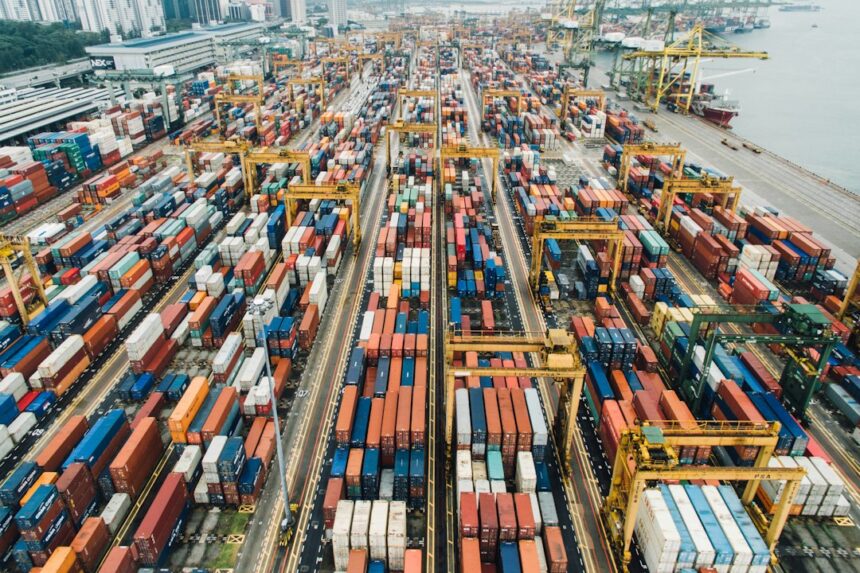
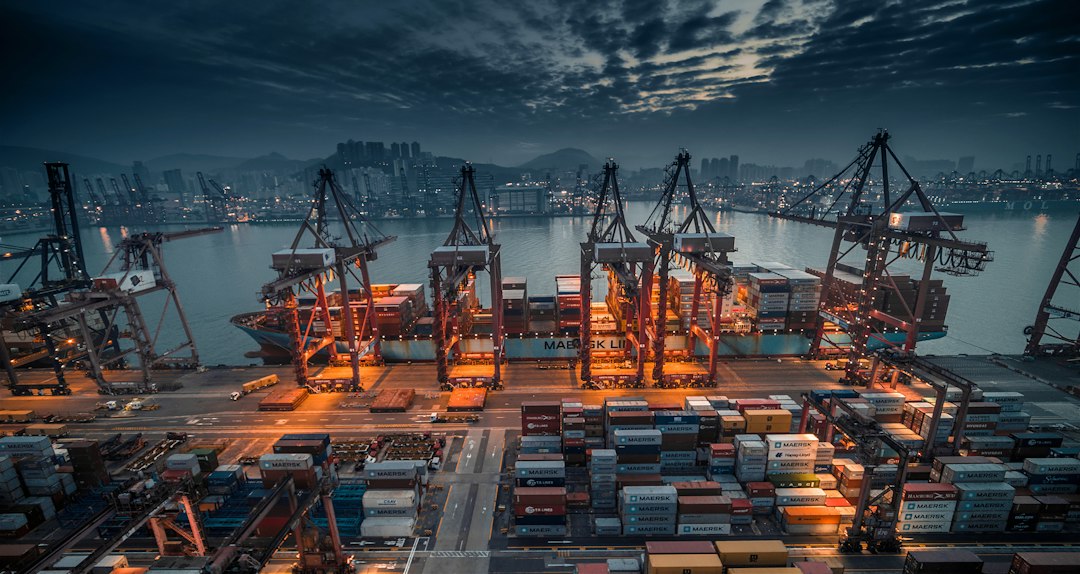
The eight terminals facing the strike threat include APM Terminals, Long Beach Container Terminal, Total Terminals International, and several others. These locations have recently managed record cargo volumes, with September 2023 seeing combined throughput of 2.04 million twenty-foot equivalent units (TEUs). However, as the National Retail Federation anticipates a decrease in import activity post-holiday rush—from 2.25 million TEUs in October to 2 million in November—the timing of any strike could exacerbate logistical challenges during a sensitive transition period.

With the logistics sector heavily reliant on timely access to these marine terminals, any interruption could ripple through supply chains beyond Southern California. Past labor disputes at these ports have resulted in significant delays, highlighting the vulnerability of maritime operations to labor actions.
Broader Labor Context
The current dispute is notably distinct from the previous broader coastwide agreements that have shaped labor relations on the West Coast. While the larger contract involving longshore workers and marine clerks remains in effect until 2028, the situation underscores the interconnectedness of various maritime labor groups. Gratz’s communication seeks not only to inform but also to rally support from other maritime unions, indicating the potential for solidarity actions that could amplify the strike’s impact.
Behind the Headline
The looming strike by ILWU Local 26 brings critical attention to the fragile state of labor relations in one of the busiest trade corridors in the U.S. As negotiations stall, operators, shippers, and logistics firms must prepare for the consequences of any labor action that could hinder access to vital terminals. Effective contingency planning will be necessary as any picket lines could deter cross-terminal operations. This incident, should it escalate, may ultimately affect cargo flow and pricing structures across the freight market, reminding all stakeholders of the influence of labor dynamics in this essential sector.