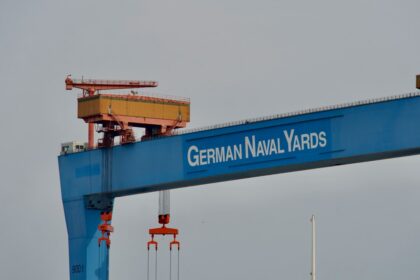



The United States is seeking to extend the suspension of port fees for vessels linked to China, with a proposal that would push back any potential costs until January 9, 2027. This proposal, set to be published in the Federal Register on October 26, aims to alleviate the financial burden on shipping companies while negotiations with China regarding maritime issues continue.
Details of the Proposal
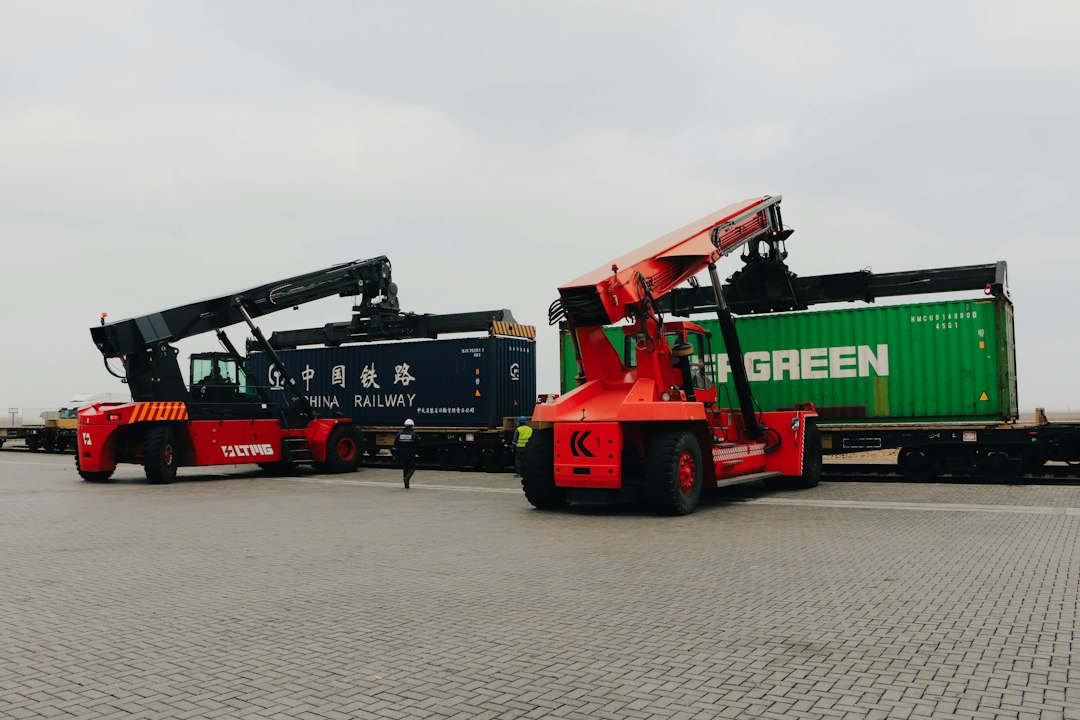
Originally scheduled to expire on November 9, 2026, the suspension would cover not only Chinese-owned and operated vessels but also certain foreign-built vehicle carriers. The move is intended to provide a reprieve amid ongoing discussions surrounding China’s dominance in global shipbuilding and its impact on U.S. maritime commerce. The suspension also extends to duties on ship-to-shore cranes and cargo-handling equipment. This proposal stems from a trade agreement formed between the United States and China, which included mutual agreements to suspend certain fees affecting shipping operations.
Implications for the Shipping Industry
This extension comes as shipping companies express relief over the potential return of these fees. Originally introduced through a Section 301 investigation, the port fees were enacted as a response to China’s industrial subsidies and policies, which were identified as distortions of fair competition. The fees, introduced on October 14, 2025, were short-lived, as the suspension took effect just weeks later on November 10.

However, this reprieve is met with criticism from lawmakers advocating for the fees’ reinstatement. Notably, Senators Mark Kelly and Elizabeth Warren have argued that these fees are vital for revitalizing the U.S. shipbuilding industry, particularly as China now accounts for a substantial portion of global commercial vessel production. The United States’ share has grown negligible, standing at just 0.1% of this market.
Growing Pressure for Reinstatement
Despite the suspension’s current state, pressure is mounting from various sectors to reinstate the port fees. Maritime labor unions echo this sentiment, contending that the suspension undermines one of the few measures enacted to counteract China’s state-supported shipping industry and protect U.S. jobs. Meanwhile, shipping companies are cautiously optimistic, welcoming the temporary relief from potential costs incurred at U.S. ports.
Behind the Headline
This proposal highlights the complexities of international trade negotiations and their direct impact on maritime operations. For operators, the continuation of fee relief until January 2027 means that financial costs associated with calling at U.S. ports remain dormant, allowing for stability in shipping logistics. However, the pressure for reinstating these fees from lawmakers and labor groups indicates a growing urgency to support U.S. shipbuilding capabilities, an area critical for national interests. As negotiations progress, stakeholders in the shipping industry should remain vigilant regarding potential shifts in policy that could affect operational costs and competitive positioning in the global market.