

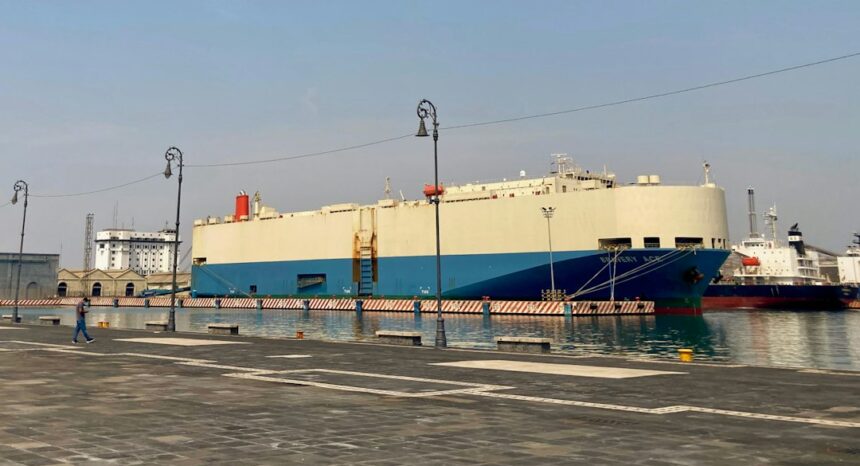
Global Car Carriers (GCC), controlled by Mediterranean Shipping Company (MSC), has placed an order for two additional large LNG dual-fuel car carriers at Zhoushan Changhong International Shipyard in China. This new acquisition brings GCC’s expanding newbuilding program to an impressive total of 22 vessels.
The Order Details
The latest order comprises two 8,600 car equivalent units (ceu) pure car and truck carriers, reflecting GCC’s strategy to bolster its fleet with more environmentally friendly options. The vessels are expected to be delivered in 2030, as the shipping industry continues to prioritize sustainability through the adoption of LNG as a fuel source.
Industry Impact
This order demonstrates GCC’s commitment to embracing green technology in car transport. The shift to LNG dual-fuel technology aims to align with global efforts to reduce emissions from maritime operations. As new regulations regarding emissions come into effect, operators like GCC are positioning themselves advantageously to meet evolving market demands while contributing to a sustainable maritime future.


Strategic Growth
With an order book now reaching 22 vessels, GCC’s expansion signifies robust growth within the sector. The addition of LNG dual-fuel technology is particularly noteworthy as it becomes increasingly viable amid tightening environmental standards. This strategic move not only enhances fleet capacity but also ensures compliance with anticipated regulatory frameworks, solidifying GCC’s competitive edge.
Behind the Headline
The expansion of Global Car Carriers’ fleet through these LNG dual-fuel orders illustrates a proactive response to the maritime industry’s pressing environmental challenges. As vessels equipped with dual-fuel capabilities are projected to become more commonplace, operators must adapt to the operational realities that accompany this technology, including bunkering strategies and maintenance requirements. The delivery timeline, set for 2030, allows for fleet integration planning while ensuring that GCC remains at the forefront of industry sustainability efforts, setting a precedent for future newbuild projects in the car transport sector.