Potential changes to sanctions on shadow fleet vessels are under consideration by the Trump administration, aimed at addressing the sharp rise in global tanker freight rates. This discussion follows a recent decision to temporarily lift sanctions on Russian diesel fuel, a move criticized by Ukrainian officials and various U.S. senators for its implications for Russia’s oil revenues.
Background on Shadow Fleet Sanctions
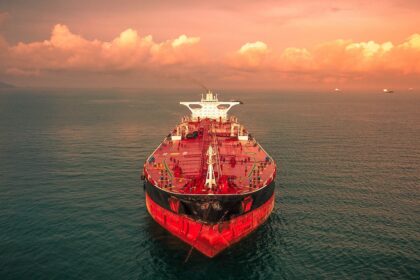
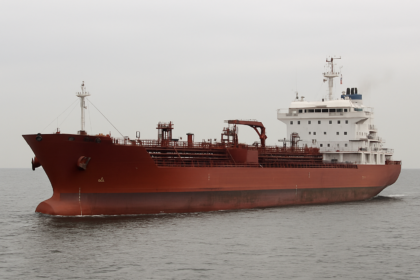
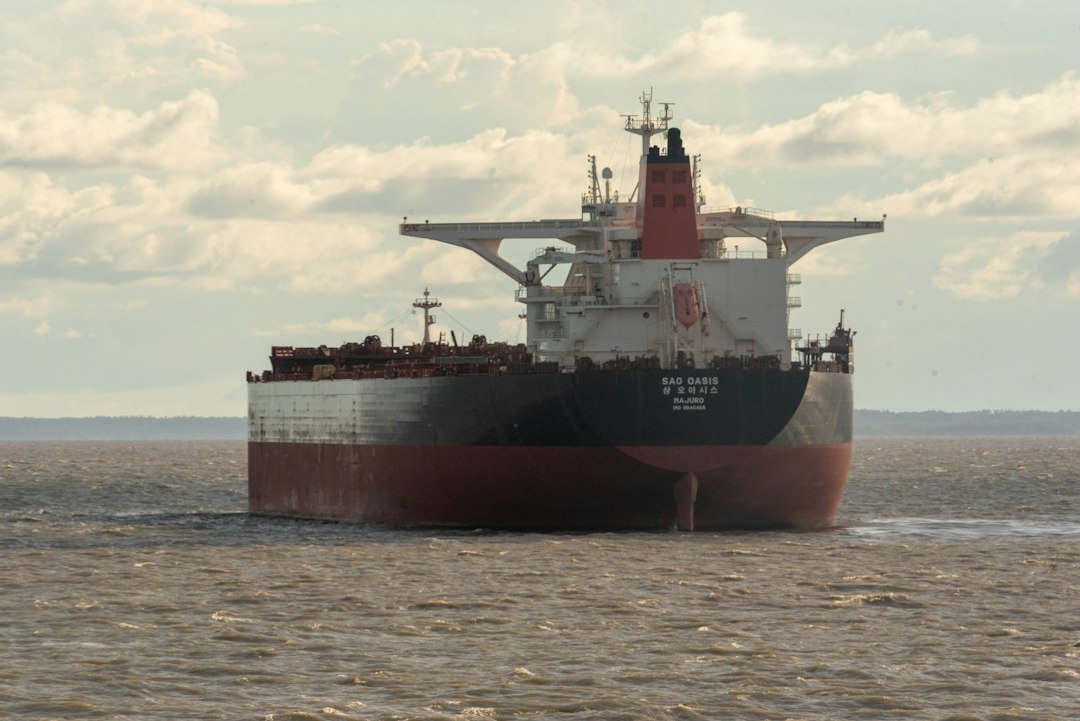
The so-called shadow fleet consists of vessels that have been implicated in transporting oil and petroleum products from nations such as Russia, Iran, and Venezuela. The proposed easing of sanctions would specifically target vessels that can legally transport crude or refined products not covered by existing U.S. sanctions, thus allocating more capacity for oil movement from regions like the Gulf.
Impact on the Global Freight Market
According to energy research group Energy Aspects, while the easing of these sanctions is intended to alleviate the unprecedented freight rates currently affecting operators, it may not lead to a dramatic change in the market dynamics. High tanker freight rates have been fueled by ongoing conflicts in Iran and Ukraine, which have constrained U.S. crude oil access for Asian refiners. As a consequence, these refiners are turning to sources in the Middle East and Latin America.


Energy Secretary Chris Wright underscored the administration’s focus on this issue during a video presentation at the World Petroleum Congress. Discussions suggest that while operating shadow fleet vessels would require application to the U.S. Treasury Department, the overall effect on freight rates may be marginal due to existing regulations placed by insurers in Europe and the UK.
Political and Economic Considerations
The prospect of high oil prices presents a significant risk for the administration in light of the approaching midterm elections on November 3. Maintaining control of Congress is pivotal for Republicans, intensifying scrutiny on policies that could affect fuel prices.
Behind the Headline
The operational significance of this potential sanctions relief lies primarily in its ability to unlock additional tanker capacity under certain legal frameworks. However, the reality is that most vessels previously sanctioned for links to Russian or Venezuelan entities have still been actively trading, leading to skepticism about any immediate resurgence in the mainstream tanker fleet capacity. Insurers’ adherence to European and British regulations will also limit how effectively these sanctioned vessels can reintegrate into the global trading system. The market will be closely watching how this situation unfolds as the implications for U.S. crude exports and global freight rates are likely to be far-reaching.