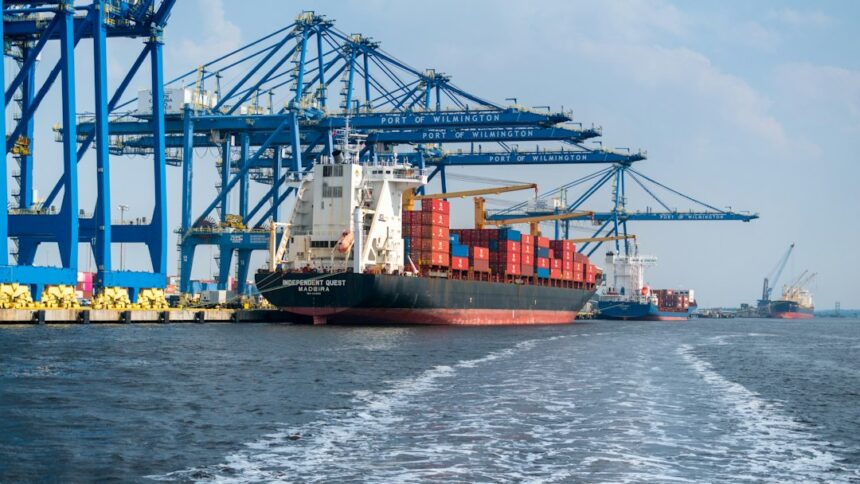
The U.S. Federal Maritime Commission (FMC) has proposed imposing a fee of $200,000 on Spanish-flagged vessels entering American ports, alongside potential restrictions on hundreds of millions of dollars in Spanish imports. This development follows a protracted dispute that began in November 2024 when Spain denied access to several U.S.-flagged vessels carrying military cargo bound for Israel.
The Investigation Findings
A nearly two-year investigation by the FMC uncovered evidence that restrictive measures implemented by Spain have significantly affected U.S.-flagged vessels’ operations. Previously, Maersk Line, Limited vessels typically made over seven port calls per month in Spain; this figure plummeted to just six calls in all of 2026. The FMC noted that traffic has largely shifted to Moroccan ports, notably Tangier, as U.S.-flagged ships have been compelled to divert from traditional routes to Spain.

Potential Economic Ramifications
The proposed regulations could impact a substantial component of U.S.-Spain trade, as the FMC indicated that five major import categories—cosmetics, oils and fats, ceramics, stone products, and sugar and confectionery—accounted for about $3.1 billion in imports from Spain in 2025. Specifically, olive oil imports alone were valued at nearly $837 million.


While Spain maintains that its port restrictions are in line with European Union regulations and do not discriminate based on flag, the FMC concludes that such policies undermine competitive parity for U.S.-flagged shipping vessels. The FMC has provided Spain an opportunity for a hearing and is soliciting public comments as part of the regulatory process, aiming to finalize the proposed fees and restrictions.
Conclusion and Market Outlook
This latest proposal follows a prior warning issued in December 2025, where the FMC contemplated fines of up to $2.3 million per voyage due to these ongoing disputes. The escalation suggests that maritime operators will need to closely monitor developments, particularly as Spain’s compliance with U.S. trading practices comes into sharper focus.
Behind the Headline
The proposed $200,000 fees on Spanish vessels signify intensified regulatory scrutiny from the FMC, with substantial implications for U.S.-Spain maritime trade dynamics. Given the significant decline in U.S.-flagged vessel calls to Spain, operators must evaluate alternative port strategies as market conditions evolve. This situation underscores the balancing act necessary for international shipping, where compliance with domestic regulations intersects with global trading practices. Close attention will be required to navigate not only the immediate impacts on shipping schedules but also the longer-term effects on bilateral trade relations.