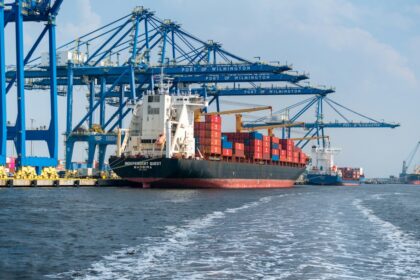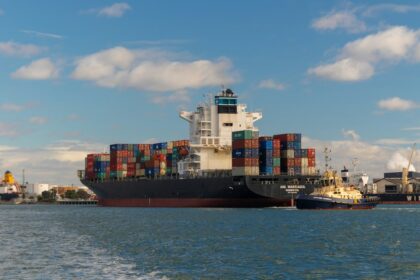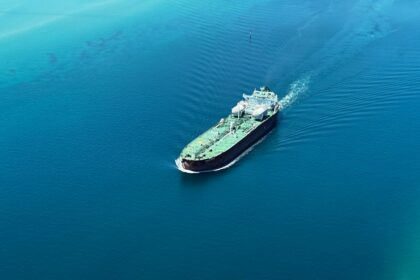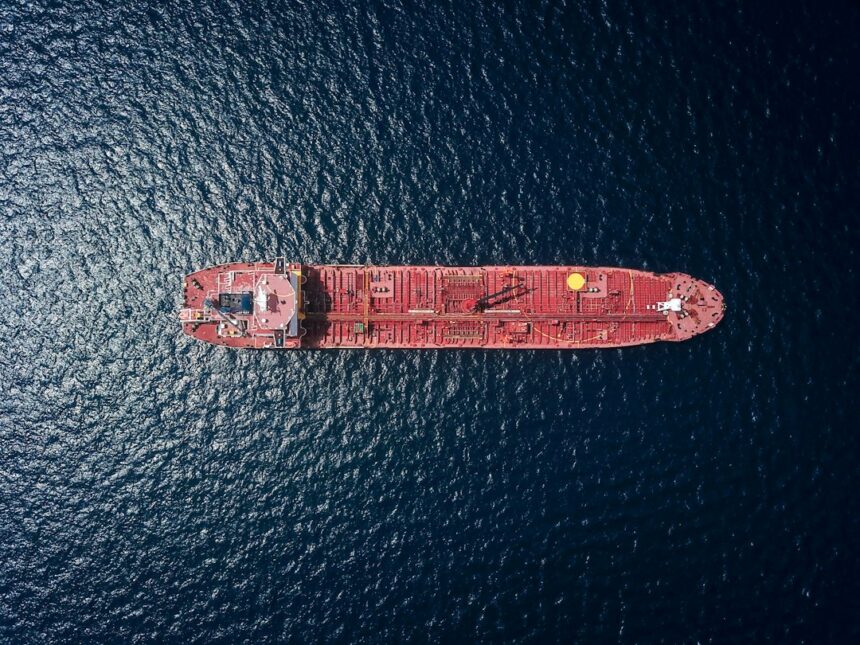
The recent conflicts in the Middle East have created unprecedented shifts in the global energy landscape, particularly impacting the marine fuels sector. For a brief period, biodiesel emerged as the most affordable bunkering option in Rotterdam, outpacing traditional options when European carbon costs were included.
Market Dynamics
This unexpected development has been detailed in a white paper by energy pricing expert General Index. The analysis indicates that rising geopolitical tensions are significantly influencing fuel prices, leading to rapid changes in market conditions. Biodiesel’s unique position as a renewable fuel has allowed it to capitalize on these fluctuations, particularly as operators seek cost-effective solutions amid rising overall fuel costs.
Operational Implications
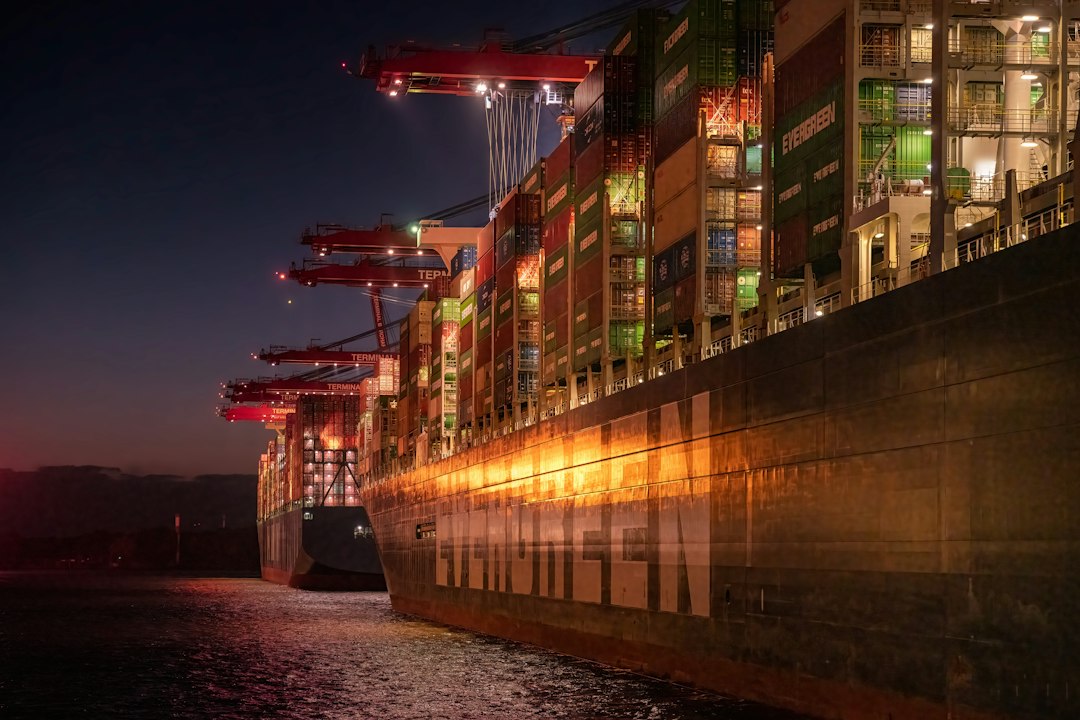
The emergence of biodiesel as a lower-cost option poses strategic questions for operators in the maritime industry. The transition to alternative fuels is an ongoing trend, but the recent pricing dynamics reinforce the necessity for flexibility in vessel operations and bunkering strategies. As biodiesel gains traction, operators must assess the long-term implications for their fleets and compliance with evolving environmental regulations.


Future Considerations
Industry experts stress the importance of continuous monitoring of fuel market trends. The increased volatility is driving operators to explore a wider array of fuel sources to mitigate risks associated with unexpected price surges. Additionally, the adoption of biodiesel presents larger considerations regarding sustainability and the potential for shifting regulatory frameworks.
Behind the Headline
The brief ascendance of biodiesel as a primary bunkering choice illustrates the responsiveness of the marine fuels market to geopolitical developments. Operators may need to adopt a more adaptive approach in their fuel procurement strategies, considering not only cost but also sustainability and regulatory compliance. The rise of biodiesel could signify a pivotal moment for long-term fuel planning in the maritime sector, where emerging alternatives might play a crucial role as the industry seeks to balance profitability and environmental responsibility.